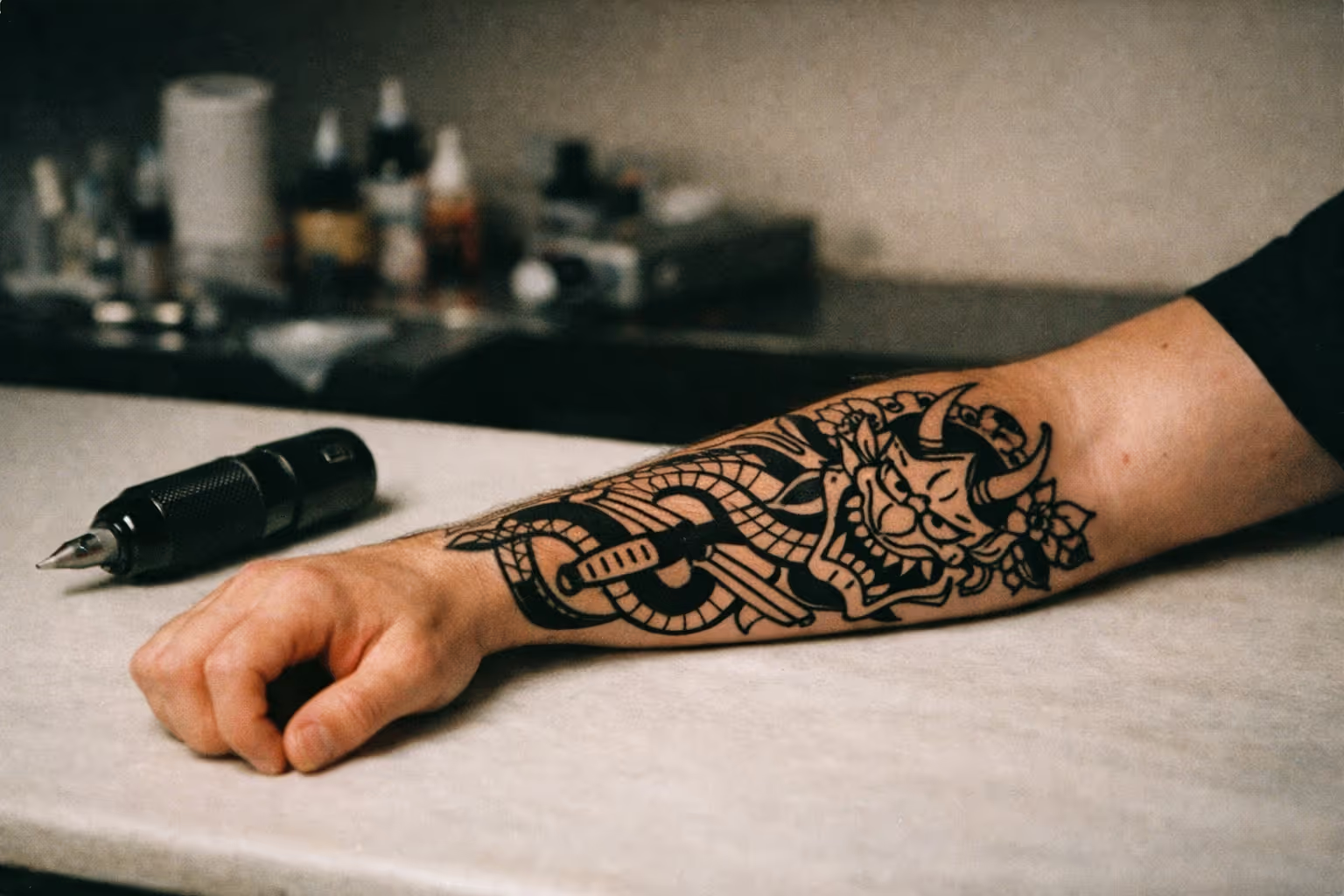
Most $60 tattoo gun kits are a trap: they ship with practice-only ink, no-name machines, and components you’ll replace within a week. The realistic floor for a kit you can actually learn on is $250-400, and even then the box leaves out things you’ll need. Knowing what’s real versus filler is the difference between learning and wasting money. Here’s what a tattoo gun kit should include, the machine types that matter, and what no box ever packs.
What’s Actually Inside a Tattoo Gun Kit and What Comes in a Box
A typical tattoo gun kit - whether budget or professional - includes a core set of components essential for tattooing: one or two tattoo machines (coil, rotary, or pen-style), a power supply with a digital display or a battery pack for wireless setups, a clip cord or RCA cord and a foot pedal for wired kits, needles or cartridges (usually 20 to 50 pieces in budget kits), sample inks ranging from 5 to 40 small bottles, and grips, tips, ink caps, practice skin, and Allen keys. These items form the basic skeleton of most tattoo gun kits.
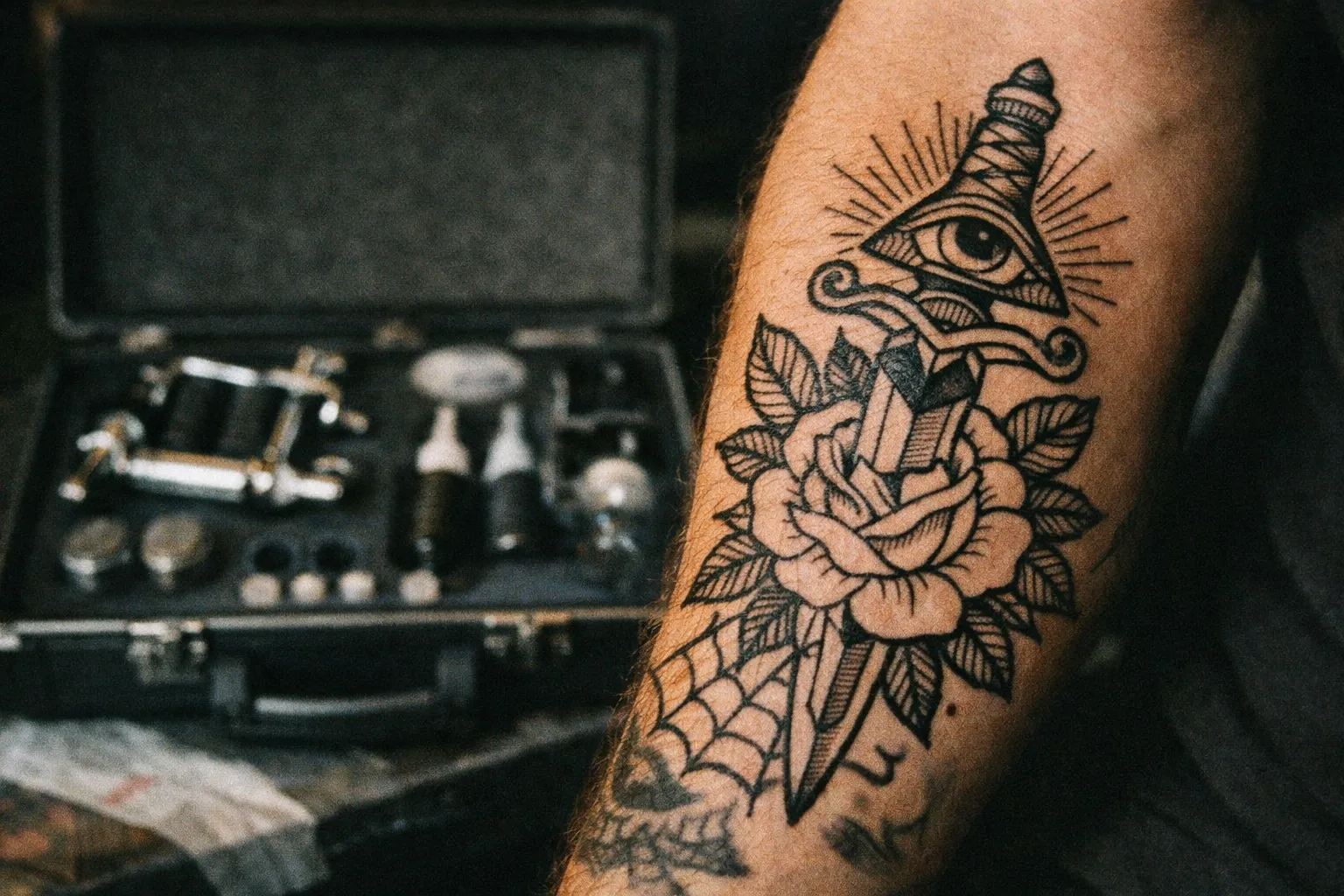
Most kits - budget or pro - share the same skeleton:
- One or two tattoo machines (coil, rotary, or pen-style)
- A power supply with a digital display, or a battery pack for wireless setups
- A clip cord or RCA cord and a foot pedal (wired kits only)
- Needles or cartridges - usually 20 to 50 pieces in budget kits (5)
- Sample inks - anywhere from 5 to 40 small bottles
- Grips, tips, ink caps, practice skin, Allen keys
The pieces that matter most are the machine and the power supply. Everything else is consumable and replaceable. The pieces that matter most for safety are the needles and ink - and these are exactly what cheap kits cut corners on.
I’ve opened enough of these boxes to tell you: the machine is rarely the problem. It’s the ink that comes with it.
A realistic budget breakdown for someone serious about year one:
- Mid-range rotary pen kit (wired or wireless): $200-$400
- Upgraded professional inks (10-15 colors): $150-$300
- Disposable cartridges and hygiene supplies: $50-$100/month with light practice
- Licensing, bloodborne pathogen course, and health-department fees: $100-$1,000+ depending on country/region
That $60 Amazon kit doesn’t look so cheap once you add the $300 of upgrades that make it usable on a person.
Choosing the Best Machine for Your Artistry Level
Tattoo Guns for Beginners
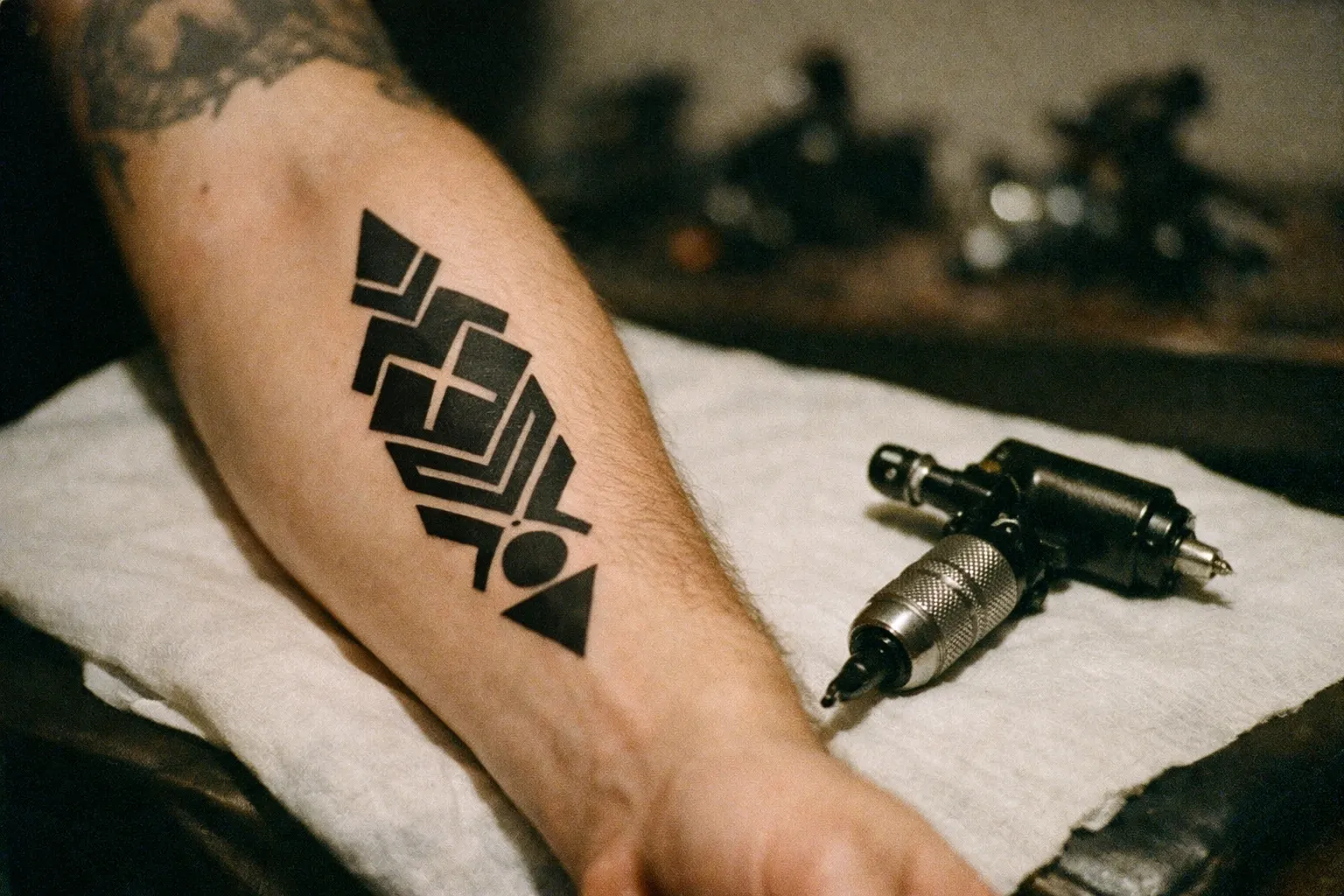
If you’re new, you want a machine that removes variables - not one that adds them. Tattoo guns for beginners should be light, quiet, forgiving on hand fatigue, and compatible with universal cartridges so you’re not fighting your equipment while you’re still learning depth and stretch.
A mid-range tattoo gun rotary in pen form is the modern consensus pick. Pen-style rotaries hold like a thick marker, which is a more intuitive grip for anyone who’s spent time drawing (6). They run quietly, vibrate less, and use cartridges that swap in seconds without retuning anything.
What to look for in a starter kit:
- Rotary or pen-style machine, not coil
- Stroke length 3.0-4.0 mm (adjustable stroke is a bonus, not a requirement)
- Universal cartridge compatibility
- A power supply with a clear voltage display - you want to see exactly what’s running
- At least one silicone practice skin
Avoid anything that ships with 40 bottles of ink for $55. The inks and needles in those bundles are flagged by training resources as not safe for human skin (2). Use them on fake skin only - and I mean that literally, not as a disclaimer.
Top Picks for Professional Tattoo Artists
Pros usually run a small arsenal - three to six machines covering lining, packing, and soft shading. The bundle question shifts from “what do I need to start” to “what fills a gap in my rotation.”
At this level, tattoo gun equipment choices come down to feel and consistency. FK Irons, Inkjecta, Cheyenne, and Bishop dominate the conversation. Wireless pen machines like the Cheyenne Sol Nova, FK Irons Spectrum Flux, and the EZ P3 Pro Turbo 2.0 have made cordless work the default for travel, conventions, and keeping a clean workspace. When I started doing convention work, dropping the cord was the single biggest quality-of-life change I made.
Best Gun to Start Tattooing With
If someone asks me directly: a mid-range wireless rotary pen with adjustable stroke, universal cartridges, and a stable battery is the best tattoo gun kit to start with. You’re paying $250-$400 and getting a machine that won’t fight you while you learn the things that actually matter - needle depth, skin stretch, line speed, saturation.
Cheap coil kits force you to learn machine tuning (spring tension, contact gap, voltage hunting) before you’ve even learned to land a clean line. That’s a steep curve no tattoo for beginners needs.
Coil, Rotary, and Pen Machines: How the Three Types Actually Differ
Coil Tattoo Machines
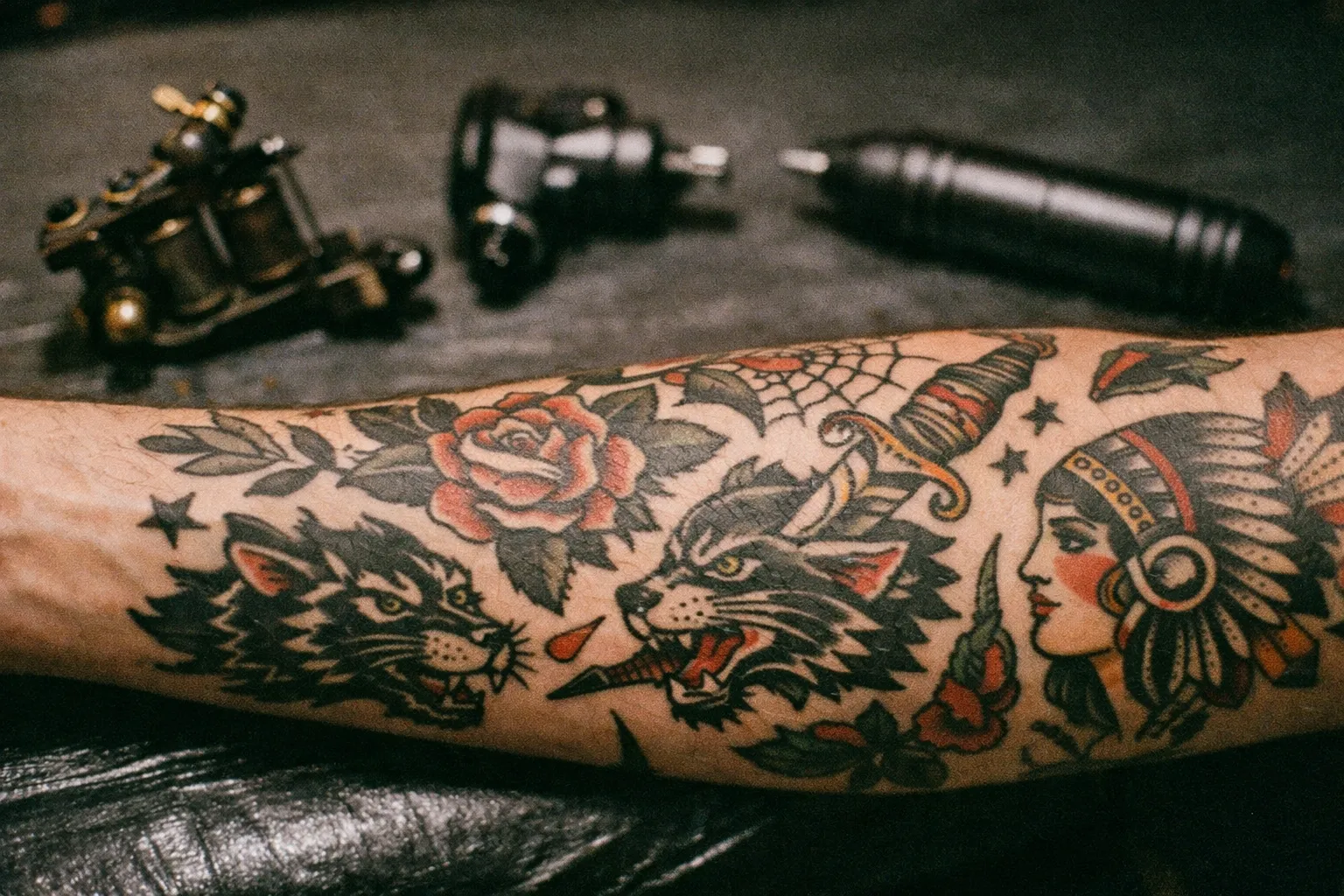
A coil tattoo gun runs on electromagnetic coils that drive an armature bar up and down. Classic shop sound, classic weight, classic learning curve.
Technical specs to know:
- Runs at 6-12 V
- Weighs around 200-250 g - noticeably heavier than a pen
- Usually uses 10 or 12 wrap coils
- Almost always tuned separately for lining vs shading - most coil kits include two machines for this reason
What coils do well: hit hard, deliver heavy saturation, and reward the artist who knows how to tune them. Lining coils with a short, snappy stroke produce the bold outlines American traditional is built on. Shaders with a longer, softer stroke pack color smoothly.
The pitfall: a coil machine is only as good as its tune. Tattoo gun coils that are out of adjustment will skip, drag, or chew the skin. Beginners running an untuned coil tend to overwork the dermis and cause scarring or blowouts. This is why coil kits make more sense for intermediate artists or beginners working directly under a mentor who can catch bad habits early.
Rotary Tattoo Machines
A tattoo gun rotary uses a small DC motor with a cam to convert spin into needle motion. Stroke is fixed (or adjustable on better models), and the machine doesn’t need tuning the way a coil does - it just runs.
Pros: quieter operation, lighter weight, forgiving learning curve, handles lining, shading, and color packing without swapping machines.
Cons: less of the snappy “hit” some artists prefer for bold outlines. Most non-pen rotaries split the difference well enough that you won’t notice unless you’re working high-saturation traditional.
Pen-Style Rotary Machines
The pen is the rotary’s evolution. Same motor-driven mechanism, repackaged into a cylindrical grip that mimics a marker (6). The ergonomic shift is real - you can work for hours with less wrist strain, and the grip position translates directly from drawing.
Pen machines are also where the wireless revolution lives. Almost every cordless option on the market is a pen.
The Rise of Wireless Tattoo Machines
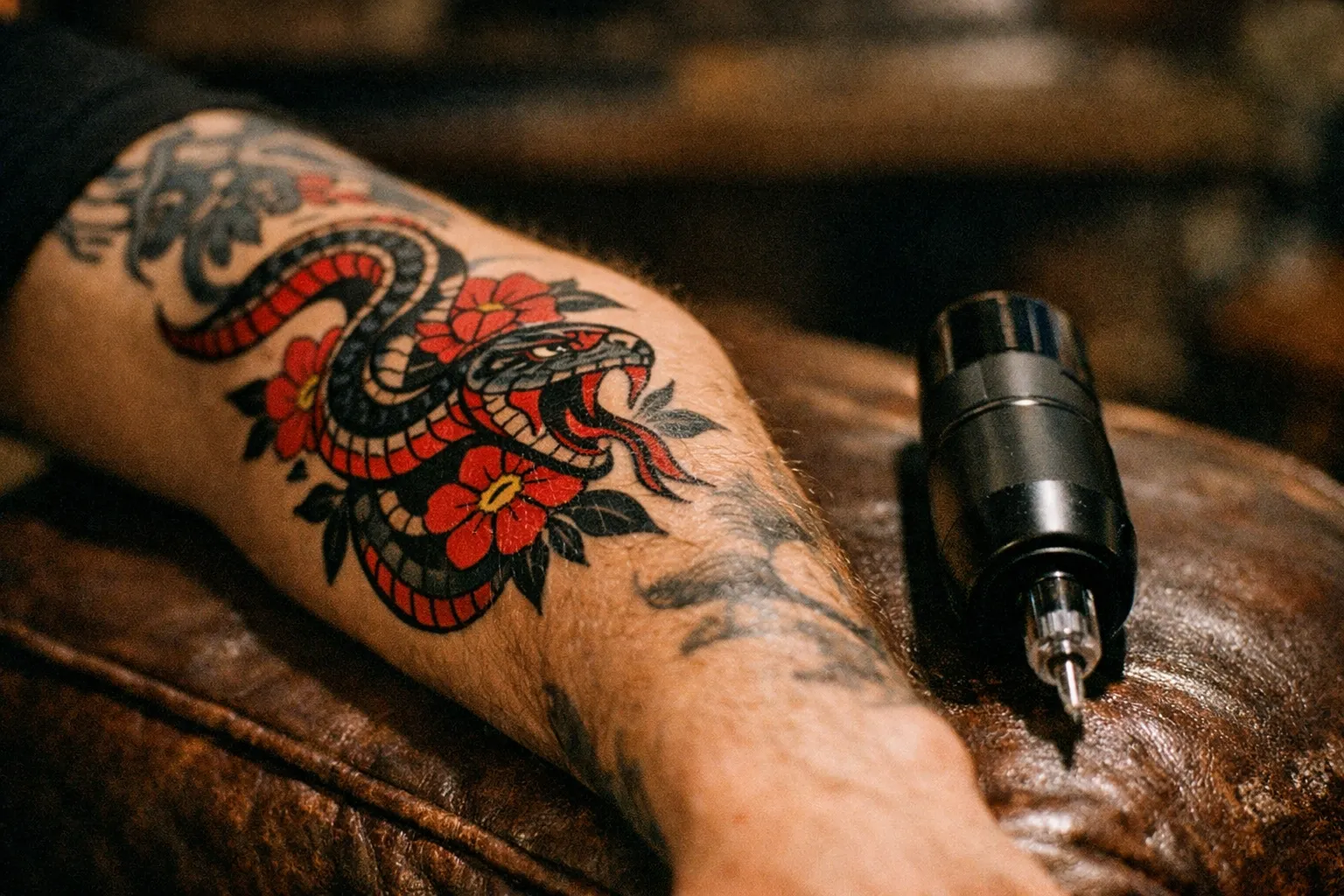
Wireless pen kits integrate a rechargeable battery pack, usually offering 4-8 hours of runtime depending on voltage and motor draw (1)(3). No clip cord, no foot pedal, no cable management.
Why this matters practically:
- Cleaner workstation, fewer contamination points
- Easier to rotate around a client’s body
- Faster setup for conventions and guest spots
- Battery packs often double as voltage displays
Wireless tattoo machines alone (no full kit) on Neebol currently run $44.99-$209.99 (1). Full wireless pen kits sit higher - Dragonhawk Fold Pro cordless kit at $309, Mast Racer Pro kit at $239, Mast Archer Ultra kit at $599 (3).
One thing worth flagging: cheap wireless batteries lose voltage as they drain, which means your machine slows down mid-session. Better packs maintain consistent output until they shut off. If you’re comparing bundles, read the reviews specifically for battery consistency - it’s the detail that separates a good wireless kit from a frustrating one.
EZ P3 Pro Bundles: A Case Study in Tiered Kits
EZ’s P3 Pro line is a clean example of how modern kits stratify by experience and budget. Instead of one starter kit, the lineup splits into tiers so you’re not paying for color packs you don’t need or missing features you do.
The main bundles to know:
- EZ P3 Pro Adjustable Stroke Wireless Tattoo Pen Advanced Bundle - aimed at experienced artists who want adjustable stroke (typically 2.5-4.5 mm), extra batteries, and a fuller cartridge selection. Sits at the top of the line, usually $450-$600 depending on included extras.
- EZ P3 Pro Turbo 2.0 Wireless Tattoo Machine Beginners Advanced Bundle - a hybrid kit designed to bridge skill levels. The Turbo 2.0 motor is more aggressive, which makes it better for packing color and bold lining. Often $350-$500.
- EZ P3 Pro Tattoo Machine 7 Color Basic Tattoo Kit - Full Set - the full-set tier with seven colors of ink, more cartridges, and the standard P3 Pro machine. Treat the included inks as practice-only unless explicitly certified for human skin.
- EZ P3 Pro 6 Color Simple Set Beginners Tattoo Kit - the entry point. One machine, six colors, basic cartridge assortment. Cheapest way into the P3 Pro ecosystem.
The pattern across the line: same machine platform, different bundle contents. If you’re buying into a tiered system like this, the question to ask isn’t “which kit is best” - it’s “which consumables am I actually going to use, and which am I going to replace immediately.”
Essential Accessories and Extras for Tattoo Machines
A machine is one part of the working setup. The accessories around it determine whether you can work cleanly for hours or whether you’re fighting your gear.
- Power supply - for wired setups, this is the heart. Look for digital voltage display, dual outputs if you’re running two machines, and a stable output curve. Cheap supplies droop under load, which kills consistency.
- Cartridges - universal membrane cartridges have replaced loose needles for most rotary work. They prevent ink backflow into the machine, which is the main cross-contamination risk in older setups.
- Grip covers and disposable grips - consumables. Reusable grips need autoclaving between clients; disposable grips skip that step and reduce contamination risk.
- Foot switches - hands-free voltage control. Required for wired setups, optional for wireless.
- Clip cord covers, machine bags, barrier film - almost never included in kits, always required for working on people.
This last point is where most kits fall short. Sterile barriers, sharps containers, and skin-prep supplies are rarely in the box. Budget another $50-$100 to assemble a hygiene kit before your first session on skin. I’ve seen people skip this and regret it.
Tattoo Machine Maintenance
A clean, well-maintained machine outlasts a brand-new badly-treated one. Quick maintenance rhythm:
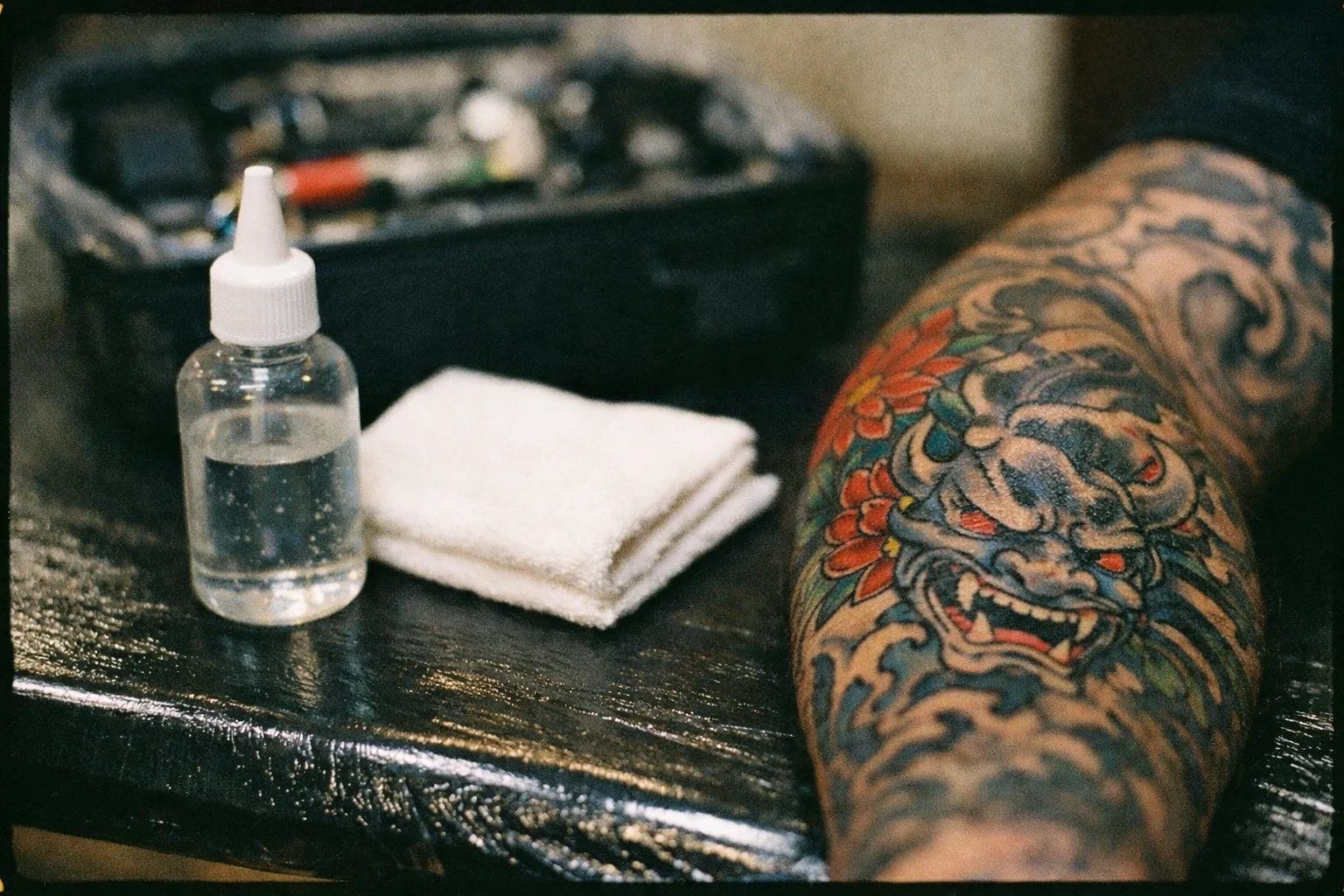
- After every session: wipe down the machine body with medical-grade disinfectant, remove and dispose of the cartridge in a sharps container, swap out the grip cover or disposable grip.
- Weekly: dismantle the grip and clean ink residue from inside. Inspect the clip cord or charging port for damage.
- Monthly: check contact screws on coil machines for erosion; check bearings on rotaries for grit or play. Run battery health diagnostics on wireless units.
Power cables are the most overlooked failure point. A frayed clip cord causes inconsistent voltage, which feels like a machine problem but isn’t. Replace cables at the first sign of wear - it’s a $15 fix that people routinely ignore until they’ve ruined a session.
Safety, Hygiene, and the Stuff Kits Don’t Include
Every needle puncture is a potential infection vector. Kit instructions rarely cover this seriously.
Non-negotiables for working on skin:
- Sterile, single-use needles or cartridges, opened in front of the client
- Nitrile gloves, changed any time you touch a non-sterile surface
- Barrier film on the machine, clip cord, and any surface you’ll touch mid-tattoo
- Medical-grade surface disinfectant for the workstation
- A sharps container for needle disposal
- Skin prep: disposable razor, green soap or equivalent, sterile water
Tattoo Ink Quality
Not all tattoo ink is created equal. The EU’s REACH regulations have tightened pigment rules, and some suppliers now explicitly label certain inks “practice only” for non-human use. The inks bundled with cheap kits often fall into this category by default - they just don’t say it on the box (2).
Source ink separately from a reputable supplier. Plan to spend $150-$300 on a starter palette of 10-15 colors that are certified for the dermis. The inks in your $80 kit go on practice skin, not people.
Piercing Needles vs Tattoo Needles
These are not interchangeable. Piercing needles are hollow and designed to cut a clean channel for jewelry. Tattoo needles are solid groupings designed to deposit pigment in the dermis. Using one for the other causes serious tissue damage. This comes up more than it should.
The Legal Side: Licensing, Self-Tattooing, and Pricing
Do You Need a License to Buy a Tattoo Gun?
In most US states and EU countries, no - you don’t need a license to buy a tattoo gun kit. Anyone can purchase one online. The regulated activity is using the machine on another person for profit.
This creates a gap that fuels a lot of bad tattoos. The barrier to ownership is zero; the barrier to safe practice is years of training. Just because you can buy the equipment doesn’t mean you should be applying it to skin.
Can I Legally Tattoo Myself?
Generally yes, in most jurisdictions - but with caveats. Self-tattooing isn’t explicitly prohibited in most US states or EU countries. What’s regulated is tattooing others - that almost always requires a license, a health-department-approved location, completed bloodborne pathogen training, and an age requirement (usually 18+).
A few things to know:
- Some jurisdictions apply general health codes that could technically cover self-tattooing.
- If you live in shared housing, self-tattooing in a non-approved space could violate lease or property rules.
- Tattooing minors - including yourself if you’re under 18 - is illegal in most places.
- Tattooing friends “for free” still typically requires a license. “It wasn’t paid” isn’t a legal defense in most regions.
Check your specific state, province, or country before assuming anything. The rules vary more than you’d expect.
Is $300 an Hour a Lot for a Tattoo?
It depends entirely on the artist and the city. Context:
- Small-market or apprentice rates: $80-$150/hour
- Mid-market established artists: $150-$250/hour
- High-demand artists in major cities (NYC, LA, London, Tokyo): $250-$400/hour is standard
- Top-booked specialists in realism, large-scale Japanese, or fine-line portrait work: $400-$600+/hour, often booked months ahead
So $300 an hour is high-end but not outrageous. For a sought-after artist in a major metro, it’s normal. For your local walk-in shop, it would be steep. Hourly rate correlates with waitlist length more than anything else. If you’re unsure whether a quote is fair, choosing the right tattoo artist comes down to evaluating their portfolio and understanding how pricing reflects experience.
Common Mistakes Beginners Make with Kits
A short list of the most expensive errors:
- Using kit ink on human skin. Most bundled inks in sub-$100 kits are practice-grade at best. Tattooing101 has flagged this repeatedly across cheap kit reviews (2).
- Buying the cheapest coil kit thinking it’s a deal. Add the cost of upgrading every consumable and you’ve spent more than a proper rotary pen kit would have cost.
- Skipping practice skin entirely. Run at least 10-20 full designs on silicone before touching a person - same machine, same voltage, same cartridges you’ll use for real.
- Tattooing friends without a license. Even free tattoos on others without a permit is illegal in most jurisdictions. Penalties range from fines to misdemeanor charges.
- Ignoring customs and ink regulations. EU REACH-banned pigments are still shipped by some overseas suppliers. Customs seizure is common; using banned inks can also void any future business license application.
- Running the wrong voltage. Without instructions in your language, beginners often run machines too hot, overwork the skin, and cause heavy scabbing or scarring.
How to Read E-Commerce Filters Without Getting Fleeced
Tattoo supply sites use filters and “popular search” pushes that aren’t always neutral. A few notes for navigating them:
- Filter by machine type (rotary, pen, coil) and wireless vs wired before you filter by price. Price-first sorting buries the better mid-range options.
- Language and country/region settings matter. A site set to your country/region will only show kits that ship to you with the correct voltage adapter - important for power supplies.
- Brand-specific suppliers like Element Tattoo Supply, Dragonhawk, EZ, Maple Tattoo Supply, and Neebol each carry their own house lines. Compare the same machine class across two or three of them before buying - pricing varies more than you’d expect (1)(3)(4).
✓ Pros
- Mid-range rotary pen kits offer a forgiving learning curve and ergonomic grip for beginners.
- Wireless pen machines improve mobility and reduce contamination risks.
- Tiered kit bundles like EZ P3 Pro help match consumables to skill level and budget.
✗ Cons
- Cheap kits often include unsafe inks and needles not suitable for human skin.
- Coil machines require tuning skills and are less beginner-friendly.
- Most kits omit essential hygiene and safety supplies, adding hidden startup costs.
Frequently Asked Questions
- How do I know if a wireless tattoo machine battery is reliable?
- Check user reviews specifically for battery voltage consistency during sessions. Reliable batteries maintain steady power until they shut off, avoiding slowdowns mid-tattoo.
- Can I reuse grips to save money?
- Reusable grips must be autoclaved between clients to avoid contamination. Disposable grips skip sterilization steps but add to consumable costs.
- Are all inks labeled 'practice only' unsafe for skin?
- Not always, but most inks bundled with cheap kits lack certification for human skin. Always source inks from reputable suppliers with clear safety certifications.
- What should I do if my clip cord shows wear?
- Replace it immediately. A frayed clip cord causes inconsistent voltage, which can feel like a machine malfunction but is easily fixed with a new cable.
- Is it legal to tattoo friends without charging them?
- In most jurisdictions, tattooing others without a license is illegal regardless of payment. Penalties can include fines or misdemeanor charges.
- How much does licensing and training typically cost?
- Costs vary widely by region but expect $100 to over $1,000 for licensing, bloodborne pathogen courses, and health department fees.
- Can I use piercing needles for tattooing?
- No. Piercing needles are hollow and designed for jewelry insertion, while tattoo needles deposit pigment. Using piercing needles for tattooing causes serious tissue damage.
What the Kit Doesn’t Come With
The right tattoo gun kit depends on whether you’re learning, practicing, or working on people. For pure practice and curiosity, a $60 coil kit on a silicone arm is fine - just don’t put that ink in skin. For actual learning with intent to tattoo, a mid-range wireless rotary pen at $250-$400, separate certified inks at $150-$300, and a real hygiene setup is the realistic floor.
What no kit includes: the license, the apprenticeship, the bloodborne pathogen course, the ink that won’t scar your friend, and the years of practice that separate a clean line from a tattoo blowout.
The machine is the cheap part. Everything around it is what makes the tattoo.