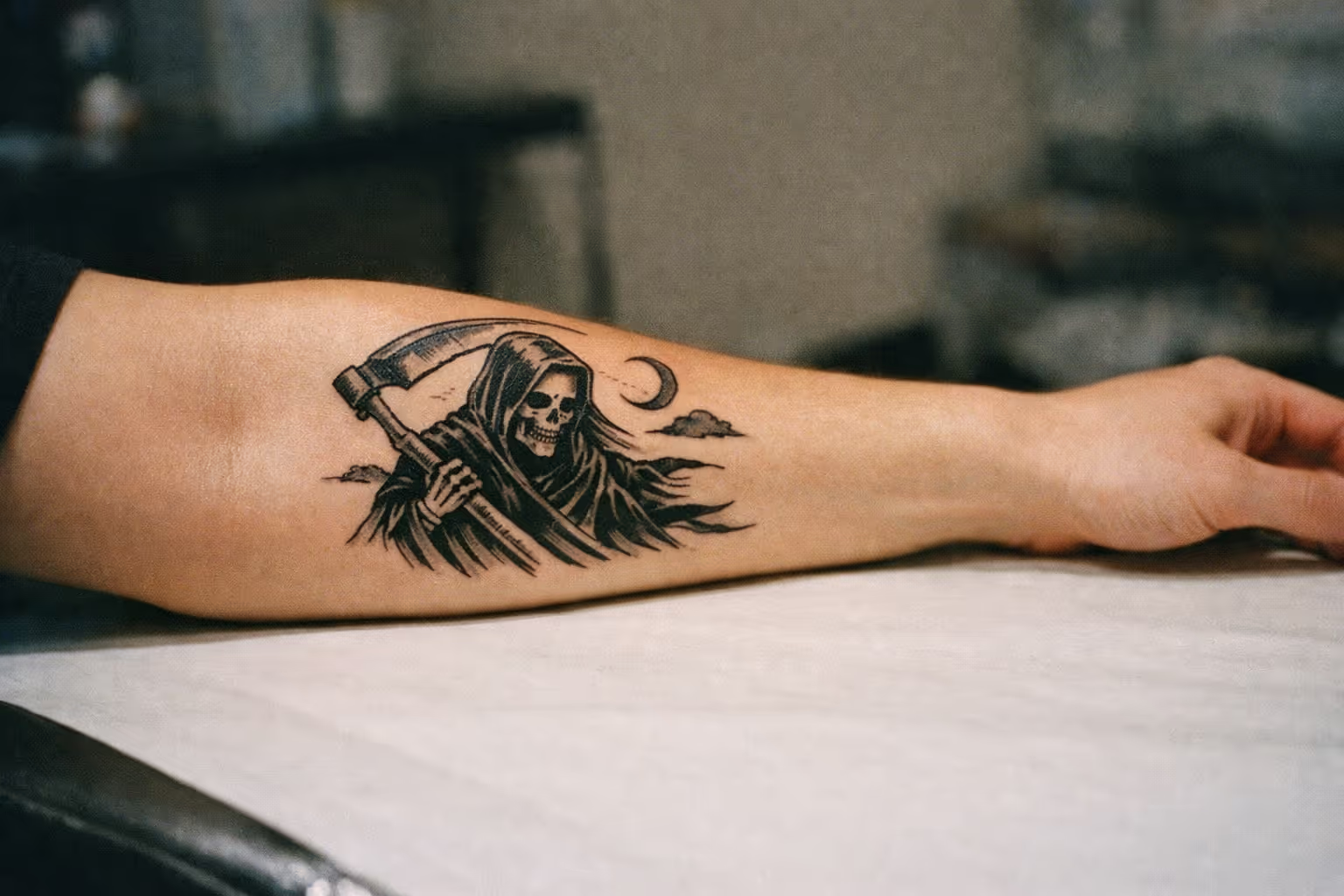
Temporary tattoos run a wider range than most people expect: a peel-off sticker gone in three days shares the same name as a jagua or dermal ink that can linger up to fifteen months. That gap is where the money and the skin risk hide - a cheap transfer and a semi-permanent stain carry very different price tags and very different reaction profiles. Here’s how the real options compare on cost, wear time, and safety before you buy one.
What “Temporary Tattoos” Actually Mean in 2025
Temporary tattoos have evolved into four very different product categories, and most confusion online comes from lumping them together. Here’s the honest breakdown:
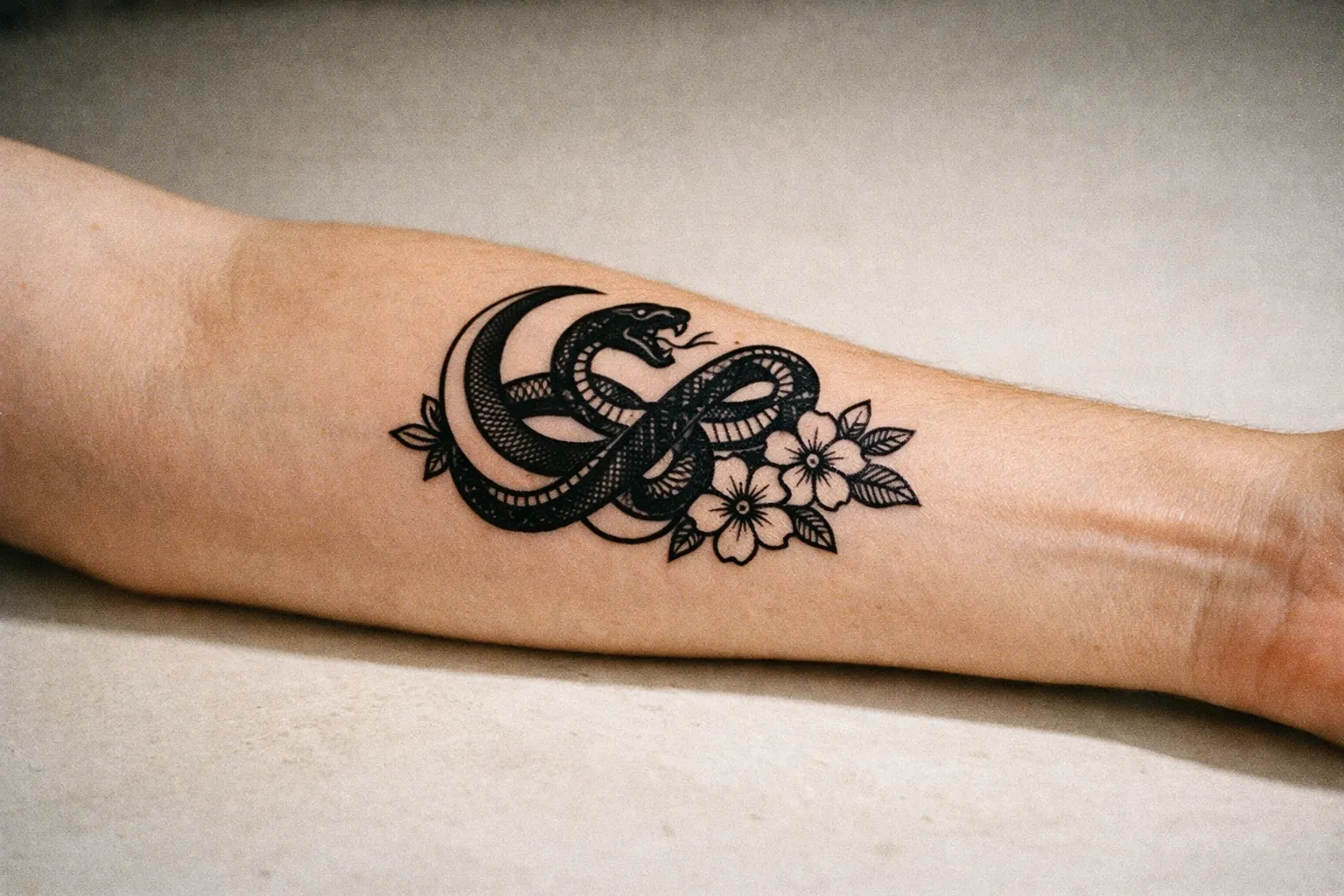
- Water-transfer tattoos (stickers): sit on the surface of the skin. Last 3-7 days, sometimes only 1-3 on hands.
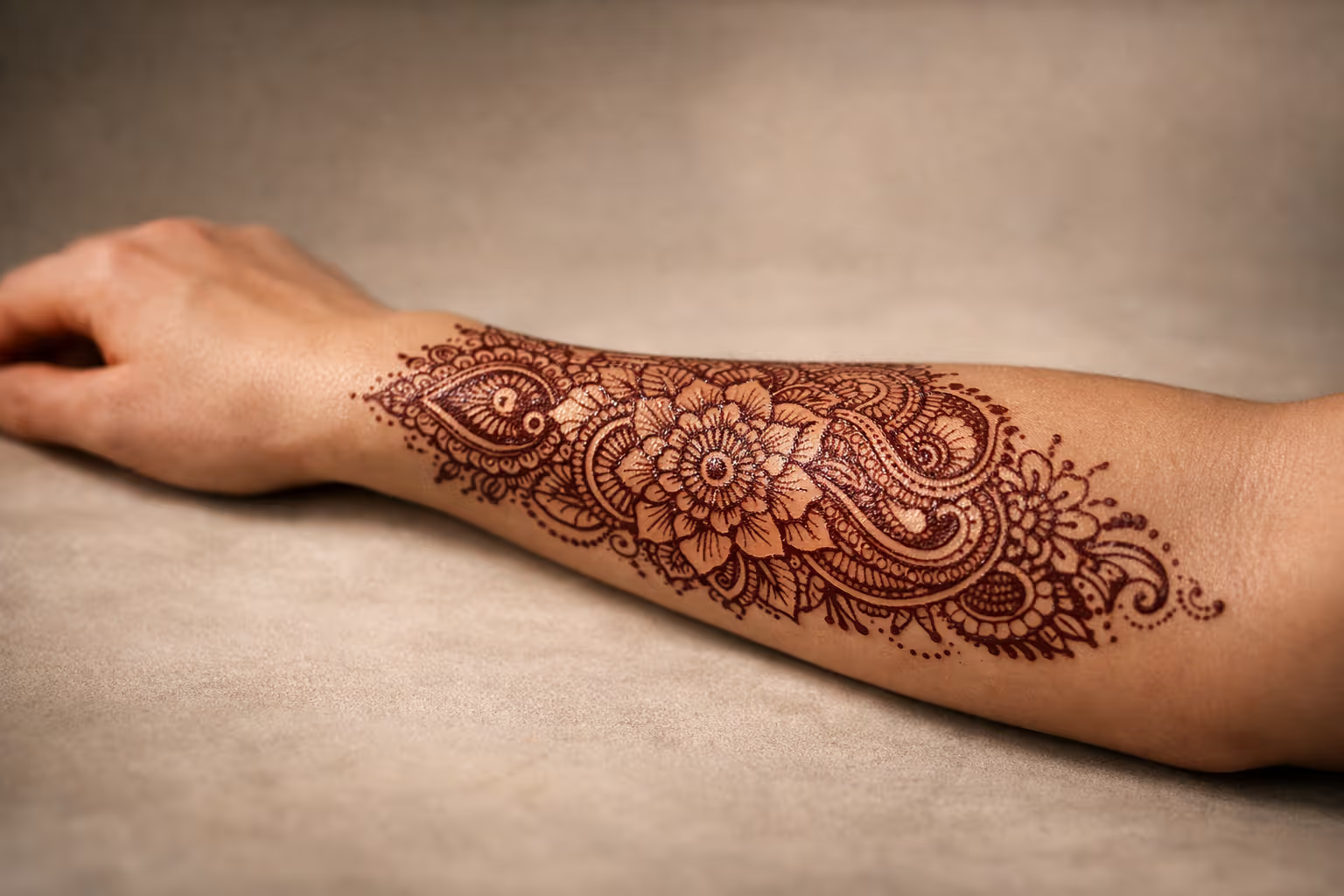
- Plant dye stains (henna, jagua): stain the top layer of skin (stratum corneum). Last 7-21 days depending on placement.
- Airbrush / cosmetic body paint: alcohol-based pigment sprayed through a stencil. Lasts 1-5 days.
- Semi-permanent / “made-to-fade” ink (Ephemeral and similar): actually tattooed into the dermis with a needle, but the ink is engineered to break down in 9-15 months.
Only the first three are truly needle-free. The fourth is a real tattoo with a shorter shelf life, and it’s priced like one - usually $150-500+ depending on size.
How Long Do They Last
The honest answer to how long do temporary tattoos last depends on the type, the placement, and what you put on top of them.
| Type | Typical wear time | Best placement |
|---|---|---|
| Water-transfer sticker | 3-7 days | Forearm, upper arm, calf |
| Henna (natural) | 7-14 days | Hands, feet, forearm |
| Jagua gel | 7-14 days | Forearm, ribs, shoulder |
| Airbrush | 2-5 days | Anywhere low-friction |
| Semi-permanent ink (Ephemeral) | 9-15 months | Wherever a real tattoo goes |
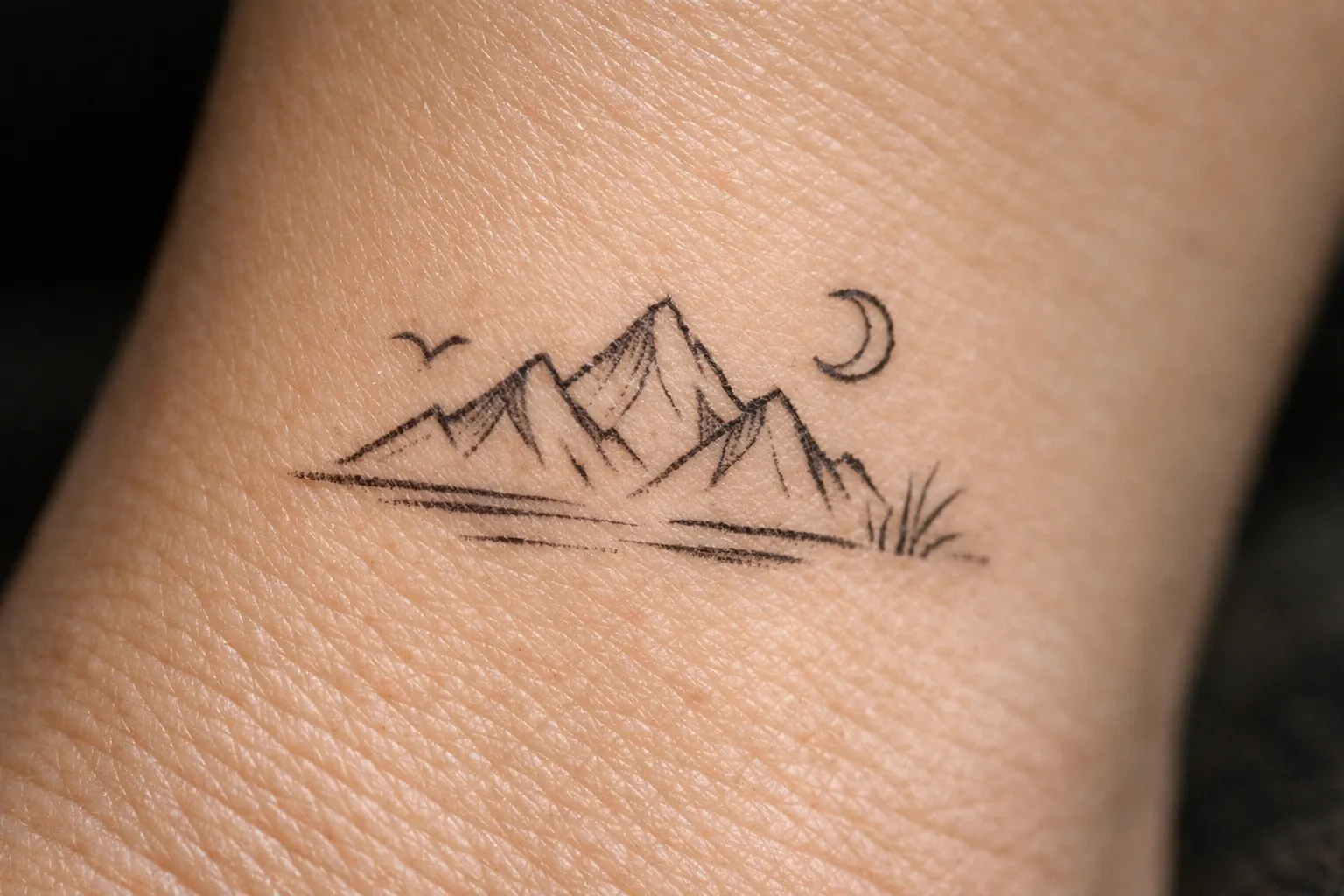
Placement matters more than people think. Hands, fingers, the inside of wrists, and anywhere with a watchband or waistband will chew through a sticker tattoo in 24-72 hours. The same design on an upper arm or shoulder blade - low friction, no flexing - easily makes it to day six. For sizing, a design that reads well on the forearm typically needs to be at least 2-3 inches (5-8 cm) in its longest dimension; anything smaller than 1 inch (2.5 cm) loses detail fast on most skin textures.
I’ve watched clients test designs on their inner wrist and then wonder why it’s half gone by day two. The wrist crease alone is a design killer. Two things shorten wear time fast: oil on the skin (lotion, sunscreen, sweat) and exfoliation (scrubs, gym towels, denim friction). Two things extend it: setting powder on top, and avoiding hot showers for the first 24 hours.
How a jagua or henna stain develops and fades, day by day:
- Day 1: pale orange-brown right after rinse-off - looks faint, don’t panic, it keeps developing.
- Day 2-3: oxidizes to its darkest - blue-black for jagua, red-brown for henna. This is peak.
- Day 4-9: holds steady, then starts lightening at the edges first.
- Day 10-14: fades patchily as the stained skin cells slough off. Water-transfer stickers are long gone by now (3-7 days); only stains and dermal inks reach this point.
Best Temporary Tattoos by Category
Asking for the “best temporary tattoo brand” is like asking for the best shoe - it depends on what you’re doing. Here’s how I’d break down the best temporary tattoos by use case in 2025.
Best for Realistic Preview of a Real Tattoo
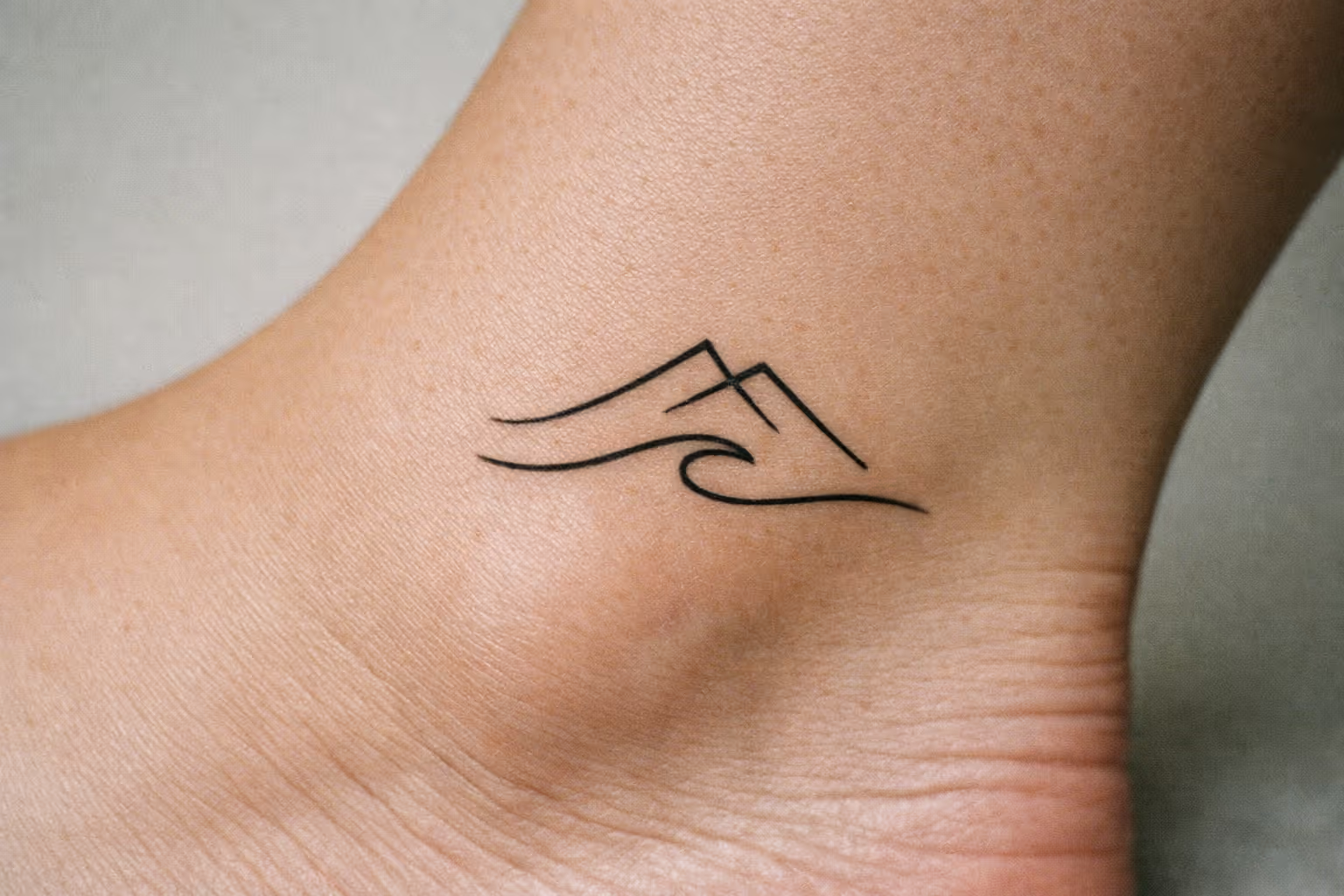
Realistic temporary tattoos designed by working tattoo artists are the closest you’ll get to seeing how ink looks on your body before committing. Look for fine-line, grayscale, or American traditional flash printed on clear-backed transfer paper. Momentary Ink and Tattify both work in this category, with individual designs running $2-8 and sleeve packs $10-25.
Best for Kids and Parties
Bulk character packs (Disney, Marvel, Pokémon) in multipacks of 50-200 tattoos for $8-20 still dominate Amazon’s best sellers. Cheap, safe, and they wash off with baby oil in under a minute.
Best for Festivals
Metallic flash tattoos - gold and silver geometric shapes, “jewelry” sets, chokers - go for $7-15 per sheet. They reflect well in photos and survive sweat better than standard water-transfer tattoos.
Best for Weeks-Long Wear
Jagua-based gels are the cleanest path to a 1-2 week tattoo without needles. Earth Jagua and similar brands run $20-45 for a kit. The stain starts pale, darkens to blue-black over 24-48 hours, and fades naturally. I’ve recommended jagua to clients who want to test a forearm piece for two weeks before committing - it’s the most honest preview of how a design reads at that scale.
Best for Months-Long Wear
If you actually want a tattoo that lasts six months to a year, you’re looking at Ephemeral or another semi-permanent dermal ink. This is a tattoo done by a licensed artist in a studio - same needle, same healing process - just with ink designed to dissolve over 9-15 months. Pricing matches a normal tattoo.
Is There a 6-Month Option?
Yes, but not in sticker form. Anything claiming six months from a peel-and-stick product is overselling.
The honest options for a tattoo that lasts roughly six months to a year:
- Ephemeral and similar made-to-fade tattoos - placed in the dermis with a needle, engineered to break down over 9-15 months. Real tattoo experience, real healing time, $150-500+.
- Jagua re-applied every 2 weeks - not the same as one long-wear tattoo, but if you want the same design on your skin for months, layering a jagua design every 10-14 days keeps it visible without any needle work.
What does not exist: a sticker or paint-on product that genuinely lasts six months. Anything advertising that timeline is either inaccurate or it’s a dermal ink in disguise.
Custom Designs: Order or Make Your Own
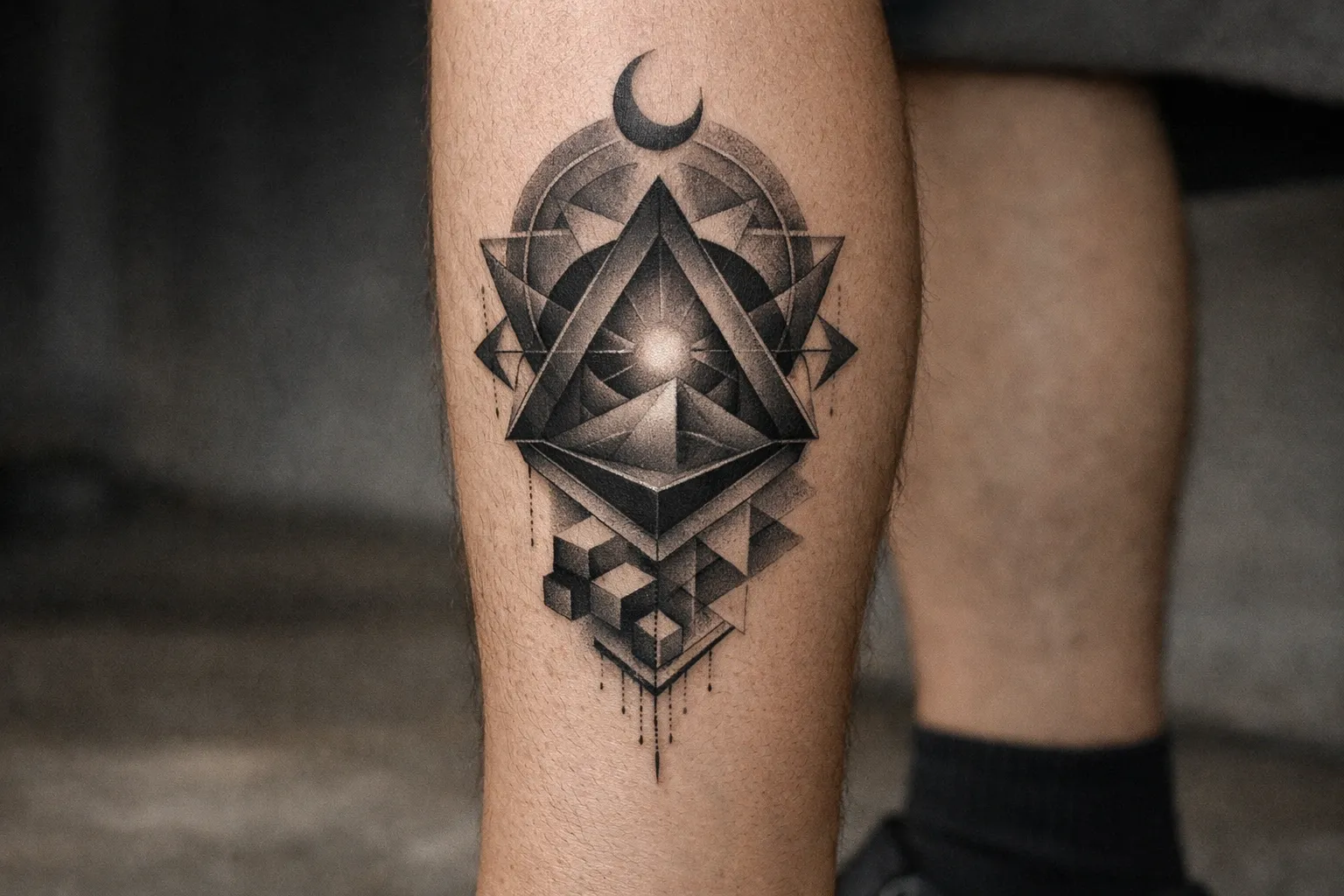
Custom temporary tattoos split into two paths: order them from a printer, or make them yourself.
Ordering Custom
- Corporate events and brand giveaways: minimum orders usually start at 500-1,000 units at $0.10-0.60 per piece. Lead time runs 1-3 weeks.
- Weddings, bachelorette parties, birthdays: Etsy sellers offer 25-100 piece packs for $20-60 with custom names, dates, or photos. Lead time is typically 5-10 days.
- Artist flash collections: independent tattoo artists sell their flash as temporary sets, usually 5-20 designs for $15-40. Good for testing a real artist’s work before booking.
Making Your Own (Cheaper, More Control)
For a one-off, DIY is fine. You’ll need:
- Waterslide tattoo paper rated for your printer type (inkjet vs. laser are different products).
- A home printer.
- The clear adhesive sheet that comes with the paper.
- Scissors and a small bowl of water.
Specs that matter: design at 300 dpi, mirror the image before printing (especially anything with text), and choose clear-backed paper for light skin tones, white-backed for deeper skin tones so the design reads properly. Print, apply the adhesive sheet, cut close to the design, place ink-side-down on clean skin, press a wet cloth on the back for 30 seconds, peel.
The mirroring step is where most people mess up the first time. If there’s any text in your design and you forget to flip it, you’ll have backwards lettering pressed into your forearm.
How to Make Them at Home
Three methods, ranked from easiest to most realistic.
1. Eyeliner Method (5 Minutes, Looks Like a Drawing)
Best for simple line work: a small star, a wave, a word in cursive. Bold pencil eyeliner works better than liquid - liquid smudges before it sets.
- Clean the skin with 70% isopropyl alcohol and let it dry for 60 seconds.
- Sketch the design on paper first so you’re not freehanding on your arm.
- Draw it on, let it sit for 60 seconds, then dust with translucent setting powder.
- Seal with hairspray or makeup setting spray.
Wear time: 1-2 days if you don’t scrub it.
2. Stencil + Permanent Marker (10 Minutes, Crisper Lines)
Good for lettering and bold graphic shapes. Print your design, cut a stencil with an X-Acto knife (or buy a sticker stencil - much easier), apply it to clean skin, and color in with a permanent marker or stamping ink. Seal with hairspray. If you want a more polished starting point, tattoo stencils designed for transfer paper can save a lot of cutting time.
Wear time: 2-4 days.
3. Waterslide Paper (20 Minutes, Looks Like a Real Transfer)
The DIY method that actually passes for a printed temporary tattoo. Follow the custom tattoo steps above. This is the most realistic at-home option and the only DIY method I’d use if I wanted to preview a real tattoo design on a specific placement before booking.
Wear time: 3-7 days.
How to Make Temporary Tattoos at Home
20 minutesThree DIY methods ranked from easiest to most realistic
- 1
Eyeliner Method
Clean skin with 70% isopropyl alcohol, sketch design on paper, draw with bold pencil eyeliner, dust with setting powder, seal with hairspray. Lasts 1-2 days.
- 2
Stencil + Permanent Marker
Print design, cut stencil, apply to clean skin, color in with permanent marker or stamping ink, seal with hairspray. Lasts 2-4 days.
- 3
Waterslide Paper Transfer
Print mirrored design on waterslide tattoo paper, apply adhesive sheet, cut close to design, place ink-side-down on clean skin, press wet cloth for 30 seconds, peel. Lasts 3-7 days.
How to Remove Them
How to remove temporary tattoos depends on what type you’re dealing with. Scrubbing harder is almost never the answer - it shreds skin and leaves the pigment behind anyway.
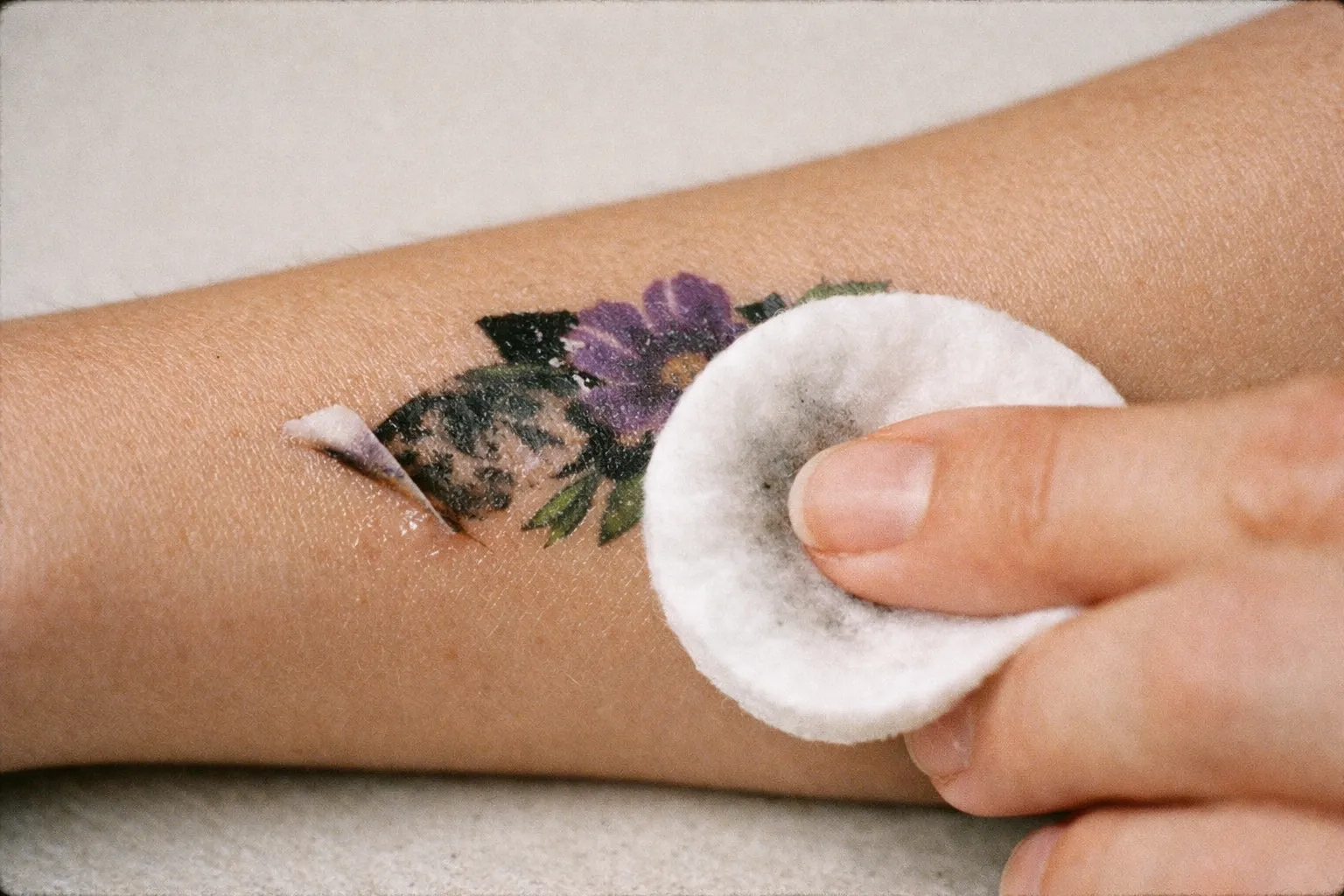
Water-Transfer Stickers
- Soak with baby oil, coconut oil, or mineral oil for 1-3 minutes.
- Wipe gently with a soft cloth. Most of the design lifts in one pass.
- For the last residue: a cotton pad with 70% isopropyl alcohol, then moisturize.
Henna and Jagua
You can’t fully remove a dye stain - it’s bound to the top layer of skin and has to grow out. To speed it along:
- Daily warm soak (10 minutes) followed by oil massage.
- Mild chemical exfoliation with a 5-10% lactic acid body lotion over 3-5 days.
- Avoid physical scrubs - they cause hyperpigmentation, not faster fading.
Expect a real henna stain to lighten meaningfully in 4-7 days even with this routine. It won’t vanish overnight regardless of what you do.
Airbrush
Alcohol-based airbrush ink comes off with isopropyl alcohol or an oil-based makeup remover in one pass.
Semi-Permanent Dermal Tattoos
These you can’t speed up. They’re in the dermis and break down on their own timeline (9-15 months). Laser removal works on them like it does on regular tattoos but is rarely worth the cost given they’ll fade naturally.
Safety: Skin Reactions and Black Henna
Most temporary tattoos are low-risk. Two situations deserve real attention.
Black Henna Is the Actual Danger
“Black henna” - sold on tourist beaches and at some festivals - almost always contains PPD (para-phenylenediamine), a hair-dye chemical added to make the stain darker and faster. According to dermatology literature, PPD causes severe allergic reactions in roughly 1-6% of people exposed, can leave permanent scars in the shape of the design, and sensitizes you for life to hair dye and certain rubber products. Natural henna is brown-orange, never jet black. If someone offers you a black tattoo that develops in under an hour, walk away.
I’ve seen the scarring PPD reactions leave behind. It’s not subtle. The outline of the design stays raised and discolored on the skin for years. Not worth it.
General Skin Precautions
- Don’t apply over eczema, sunburn, broken skin, or active acne.
- Patch test new products on the inner forearm for 24 hours if you have sensitive skin.
- Most water-transfer tattoos use FD&C and D&C cosmetic colorants - same as makeup - and reactions are rare.
Pro Tips for Longer Wear
A few habits add days to almost any temporary tattoo:
- Prep matters more than the product. Clean with 70% isopropyl, no lotion for 12 hours beforehand.
- Pick low-friction placement. Upper arm, outer forearm, shoulder blade, calf, ankle. Avoid hands, fingers, wrist creases, and anywhere clothing rubs constantly.
- Powder + setting spray. A dusting of translucent setting powder followed by an alcohol-based setting spray (the kind SFX makeup artists use) adds 1-3 days of life.
- No hot showers for 24 hours. Heat and steam loosen the adhesive on water-transfer tattoos faster than anything else.
- Pat dry, don’t rub. Towels are the main killer of sticker tattoos. For festival looks, glitter tattoos are worth considering here too - they tend to hold up better under setting spray than standard transfers.
That last point sounds obvious until you’ve dried off without thinking and watched half a design come off on the towel.
Frequently Asked Questions
- Is there a 6-month temporary tattoo?
- Only semi-permanent dermal inks like Ephemeral last 9-15 months and require a tattoo needle and studio. No sticker or paint product lasts that long.
- What is the best temporary tattoo brand?
- Momentary Ink and Tattify lead for realistic adult designs. For kids, bulk character packs dominate. Jagua gels are best for 1-2 week wear, and Ephemeral for months-long semi-permanent tattoos.
- How long do temporary tattoos last in water?
- Water alone doesn't remove transfer tattoos; friction and oils do. Swimming is fine, but hot showers with scrubbing shorten wear time significantly.
- Can I shower with a temporary tattoo?
- Yes, after 12-24 hours. Use lukewarm water, pat dry gently, and avoid scrubbing or applying body wash directly on the tattoo.
- Do temporary tattoos look real?
- Artist-designed transfer tattoos on clear-backed paper with setting powder can look very realistic at conversational distance, but close inspection reveals them.
- Are temporary tattoos safe for kids?
- Cosmetic-grade water-transfer tattoos are generally safe for kids. Avoid henna on children under 6 and never use black henna.
What Actually Matters Here
If you want to test a real tattoo design, use artist-designed transfer paper or jagua. If you want something fun for a weekend, water-transfer stickers are cheap and effective. If you want a tattoo that lasts six months to a year, you’re getting a real tattoo with made-to-fade ink - not a sticker.
Whichever route you pick: clean skin, low-friction placement, no lotion before, no scrubbing after. That’s most of the difference between a tattoo that survives a week and one that’s gone by lunch.