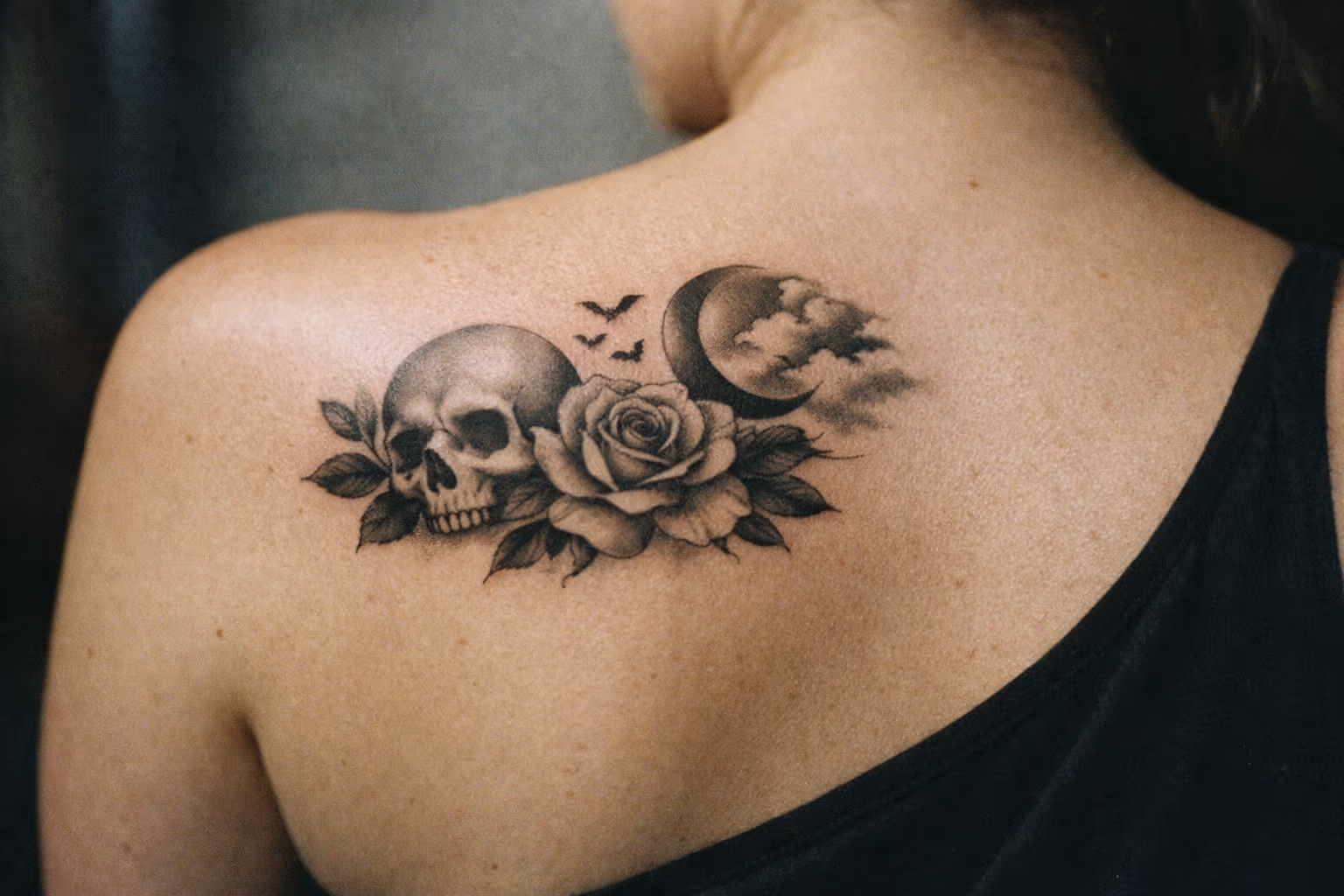
You walk into a shop and there’s a sheet of twenty designs pinned to the wall: daggers, roses, a swallow, a little skull with a top hat. The artist glances up and says they can do you right now. No consultation, no deposit, no three-month wait. That’s a flash tattoo: a pre-drawn design the artist made in advance, ready for anyone to pick and sit for. To be clear from the start, this article is about permanent flash art on paper and studio walls, not the metallic stick-on “flash tattoos” that wash off in the shower. Those are a different product entirely.
What follows is the client-side reality: how to read a sheet, what you can actually change, whether your design shows up on someone else next week, and how the old Sailor Jerry tradition differs from the curated sets artists drop on Instagram.
What Flash Actually Means in a Tattoo Shop
Flash means professionally pre-drawn tattoo designs displayed for clients to pick and tattoo as-is, with no custom brief and no design session required (5)(7). The design already exists, the stencil is finalized, and you skip straight to placement and needle. That’s the whole point: speed and a known result.
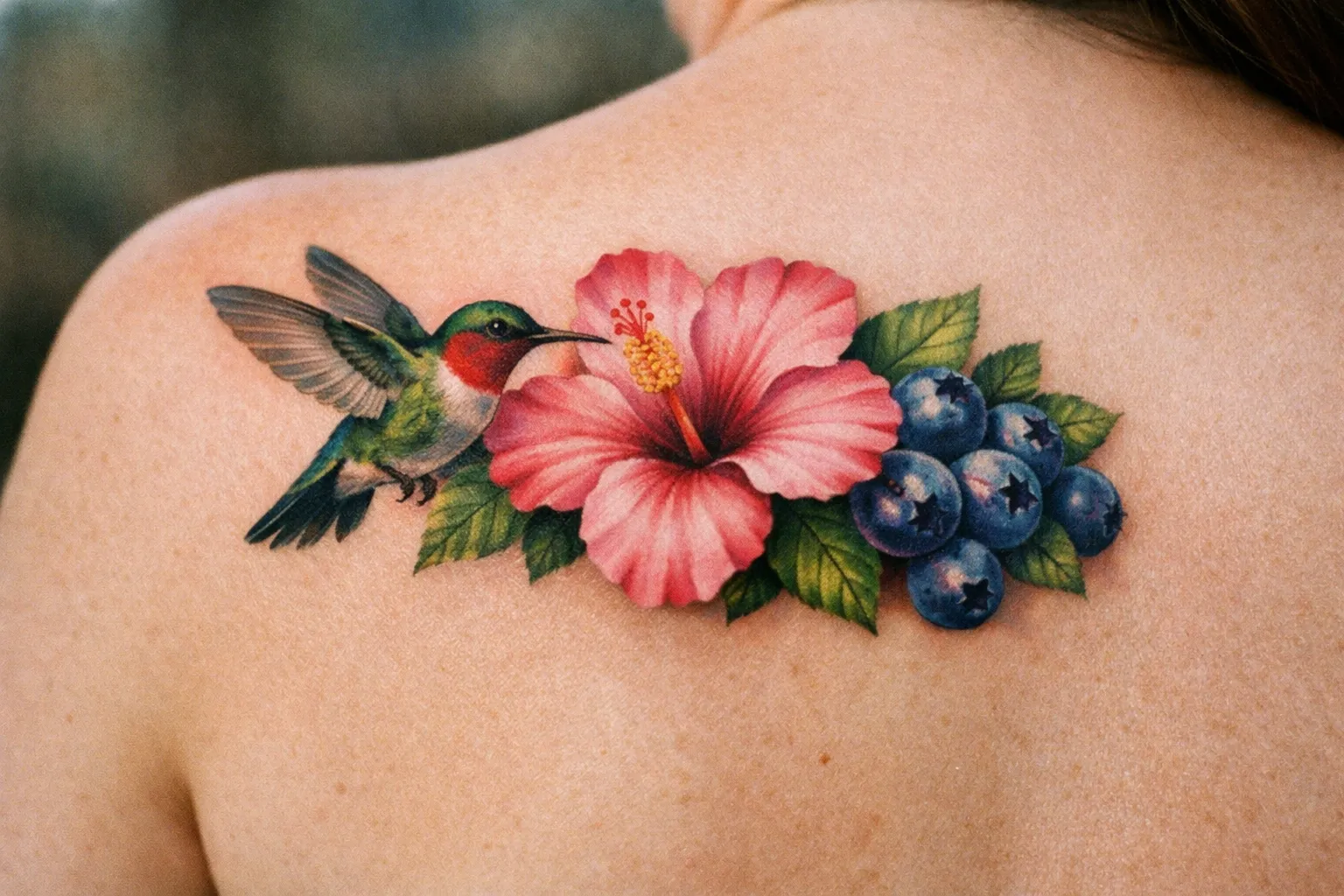
The word itself comes from the traveling carnival and circus trade of the late 1800s, where an attraction had to be eye-catching to pull a crowd and that visual appeal was called flash. Tattooers working those shows hung their designs in front of their booths, and the term stuck to the artwork (13). Some shops will tell you it just means a tattoo done “in a flash” (5); the etymology has never been pinned to a single origin. More than a century later, tattoo flash still does the same job: a visible catalog of ready-to-go designs.
You’ll find it in a few formats, all serving the same function:
- Wall-mounted sheets and boards in the shop
- Binders you flip through at the counter
- Digital galleries on studio websites
- Instagram posts and flash racks artists post for pre-booking
Historically, flash lived in high-volume street shops serving walk-in clients (5). That’s still where you’ll see the most of it. A custom-only studio might keep a small amount of flash purely as reference, to help an undecided walk-in articulate an idea rather than tattoo it as-is (8).
One more time on scope, because search results mix this up constantly: this is permanent tattoo flash art. It heals like any tattoo and it’s forever. It is not the jewelry-style metallic sticker product that shares the name.
How a Flash Sheet Is Laid Out
A flash sheet is a single page showing a collection of designs: typically 20 to 60 motifs, though smaller curated sheets run 5 to 30, usually printed on 11×14 or A3 paper. Individual designs sit around 2 to 6 inches each on the page. That size on paper is a starting reference, not a promise. The artist scales the design for your placement.
Sheets are grouped by theme or by artist, and the good ones are drawn to be legible at a glance so you can point and pick. Some sheets note price tiers directly next to a design or by size band. Availability is usually marked right on the sheet, which brings us to notation, covered in full further down, because reading a sheet correctly is where most first-timers trip.
The Pros and Cons of Choosing Flash Over Custom Work
Flash is not a lesser option than custom. It’s a different one, built for different goals. If you want a clean, well-executed piece today without co-designing anything, flash is the efficient path. If you want a one-of-a-kind composition built around your specific reference, that’s custom, and you should expect the design time and cost that comes with it.
Here’s the honest trade-off.
✓ Pros
- Same-day availability: the design's already drawn, so you can often walk in and sit
- Set pricing with no design-time surcharge: you pay for the tattooing, not the drawing
- Proven readability: the design was drawn to work as a tattoo and to hold up over decades
- Low decision overhead: a real advantage for first-timers who'd otherwise stall
- A low-stakes way to sample an artist's linework before committing to a large custom piece
✗ Cons
- Not unique by default: the same design may be on several other people
- Limited modification: it's drawn with a fixed intention, not as a rough draft
- Locked to one style: a bold traditional piece stays bold traditional
- Smaller and simpler than most custom work
- Repeatability varies by artist with no universal standard, so you have to ask
That last point catches people out more than any other, and it gets its own section below.
Traditional Flash Tattoo: The Sailor Jerry Lineage
Traditional flash is the American traditional lineage: bold outlines, a limited saturated palette, and iconic motifs codified near U.S. naval ports in the 1930s and 40s. The key names are Norman “Sailor Jerry” Collins, Bert Grimm, and Don Ed Hardy. Earlier still, New York tattooer Lew “Lew the Jew” Alberts drew and sold sheets of patterns so widely that much of the conventional artwork on shop walls today still traces back to him (13).

The style has two technical hallmarks worth knowing before you pick one:
- One consistent line weight throughout, laid with a heavy round liner (traditional artists reach for 7 to 14 RL groupings), with no tapering or hairlines
- A limited, super-saturated palette (red, yellow, green, and black underpinning every color block, sometimes blue or brown) laid down as solid fills
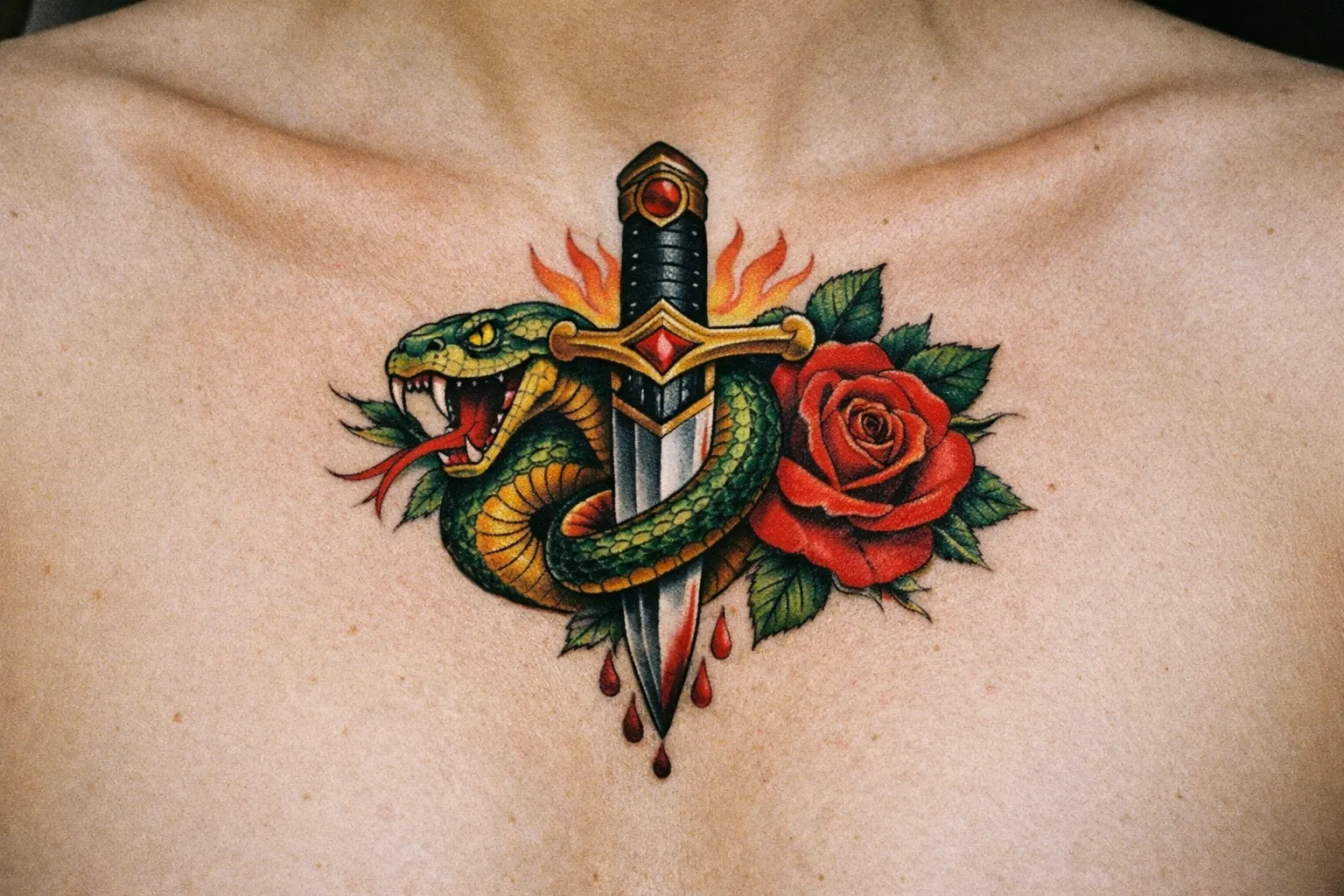
The motifs are the ones you already picture: daggers, swallows, anchors, hearts, skulls, pin-up figures, roses. They were drawn to read clearly at small sizes and to hold up over decades. That’s not nostalgia; it’s engineering. Thick black outlines maintain contrast on diverse skin tones for years, the limited palette reduces color shift, and the high contrast still reads on high-movement placements like the forearm or outer calf.
One common pitfall when artists do traditional flash badly: they thin out the outlines to make the piece look “cleaner” or more refined. Hairline outlines on a traditional motif blow out within a few years, especially on hands or wrists. The thick line is structural, not decorative.
For the full breakdown of the style (sleeve planning, motif history, palette rules) see our American traditional tattoo guide.
Modern Artist Flash: Themed Sets and Instagram Drops
Modern artist flash is still flash (pre-drawn, ready to tattoo) but the distribution and aesthetic are a different world. Individual artists release curated sets around a theme: botanical, anime, occult, kawaii, geometric. Stylistically they range across fine line, neo-traditional, and illustrative, and they’re often posted online for pre-booking rather than pinned to a wall.
Crucially, some of these are labeled “repeatable flash” and some “one-off.” One studio’s repeatable collection describes each piece as bookable more than once, still drawn with intention, available until retired (11). A flash page that separates “repeatable and non-repeatable designs” outright sells tattoo tickets per design (10). The label tells you what you need to know before you assume anything about uniqueness.
Here’s how the two compare across what actually matters:
Traditional Flash vs. Modern Artist Flash
| Traditional Flash | Modern Artist Flash | |
|---|---|---|
| Style hallmarks | Bold outlines, limited saturated palette, iconic motifs | Varies: fine line, neo-traditional, illustrative, themed |
| Typical motifs | Daggers, swallows, anchors, roses, skulls | Botanical, anime, occult, kawaii, geometric |
| Repeatability | Usually repeated indefinitely (stock) | Often limited-run; may be labeled one-off |
| Where to find it | Studio walls, binders, street shops | Instagram, artist websites, online flash racks |
| Price structure | Set rate, walk-in friendly | Set rate, but may require pre-booking |
| Aging behavior | Excellent; thick outlines hold contrast for decades | Varies by style; fine-line flash fades faster |
| Lineage | American traditional (Sailor Jerry, Bert Grimm) | Contemporary artist-driven |
Pricing: Why It Costs Less Than Custom
Flash costs less than custom because the design time is already built in. The artist drew it once, not for you specifically, so you pay for the tattooing and not the drawing. Custom work is priced on size, detail, session length, and the hours spent designing. Flash simply removes that last component.
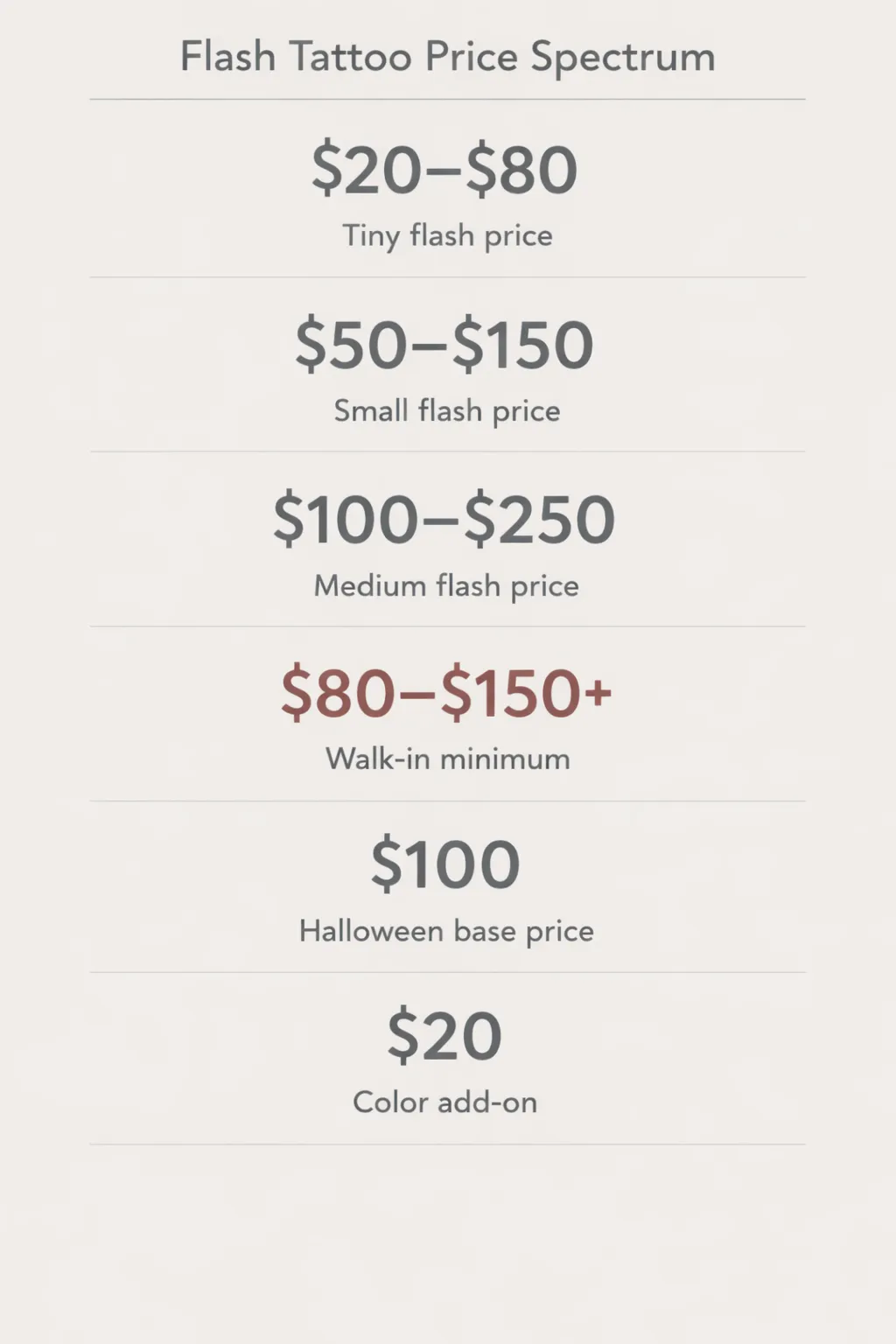 Flash tattoo pricing by size and add-ons: tiny $20-$80; small $50-$150; medium $100-$250; walk-in minimum $80-$150+; Halloween base price $100; color add-on $20.
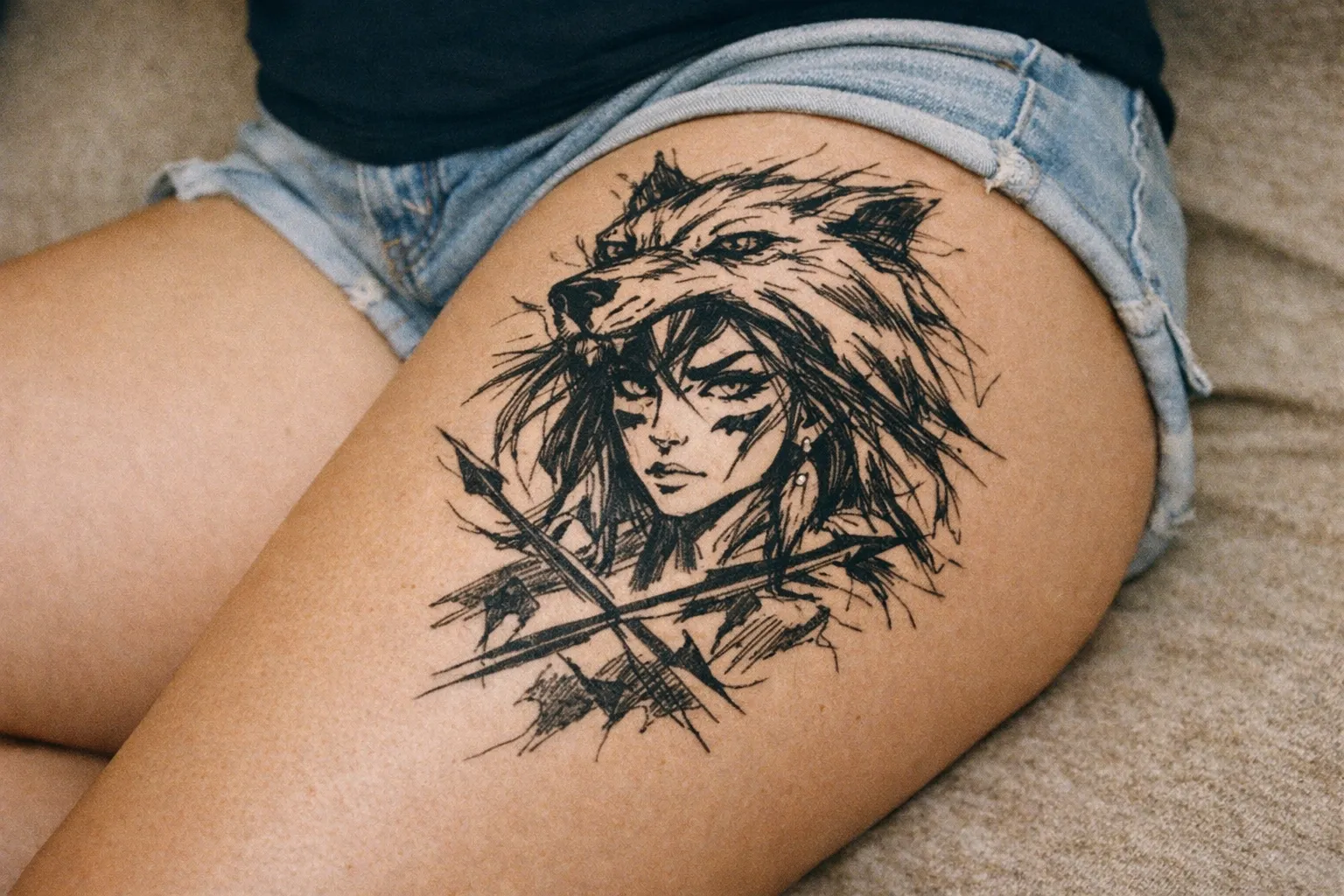
That’s the entire mechanism. It’s why shops describe flash as a “set rate” while custom is quoted per piece based on how long it takes.
For rough numbers in the U.S.: tiny flash tends to run $20-$80, small flash $50-$150, and medium flash $100-$250, while custom at the same sizes starts higher. Most shops hold a minimum of $80-$150+ that applies even to the smallest, simplest walk-in flash. A concrete real-world anchor: Rabble Rouser Tattoo’s Halloween Flash Day priced designs starting at $100, with an additional $20 to add full color, for their October 2025 event (12).
Two things to keep straight. First, larger or color-heavy flash climbs toward custom pricing: a big traditional back piece off a sheet is still a big traditional back piece. Second, “cheap” is the wrong frame. Flash is priced appropriately for what it is. A rock-bottom quote usually reflects a weaker portfolio, not a bargain.
Walk-Ins: How the Process Actually Works
Getting a flash tattoo as a walk-in is genuinely straightforward, but “walk-in” doesn’t guarantee “seen immediately.” If this is your first tattoo, the prep rules matter more than the format you pick. Many street shops take walk-ins seven days a week during fixed hours, commonly something like 11:00-20:00, and whether they can fit you depends on artist schedules and the size of the piece, not just whether the door is open (9). Call ahead if you can.
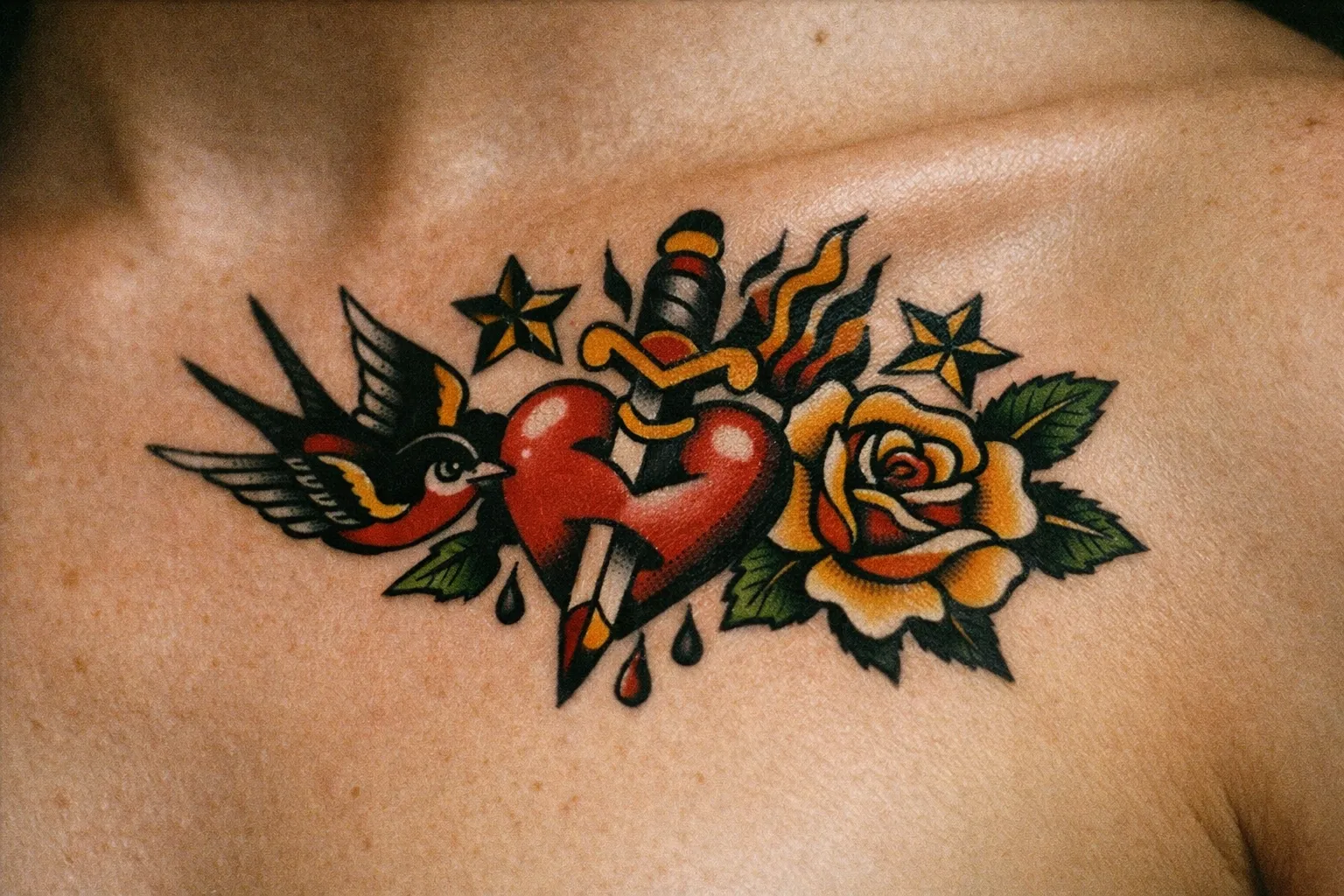
What you bring is minimal: valid ID, and a few decisions already made. You don’t need reference images, a brief, or a mood board. The design is finished. What you do need is to know which design, roughly what size, and black or color.
The paperwork is not lighter than custom. You complete the same consent forms and meet the same age requirements as anyone else getting tattooed. Larger or more complex flash may still need an actual appointment so the artist can block enough time and get placement right.
Here’s the process end to end:
How to Get a Flash Tattoo as a Walk-In
1.5 hoursStep-by-step process from arrival to aftercare for walk-in flash tattoos
- 1
Browse flash designs before arrival
Check the flash sheet or online gallery and screenshot the designs you like.
- 2
Arrive with valid ID
Walk in during business hours with your ID ready for paperwork.
- 3
Choose your design
Tell the artist which design you want and confirm it's still available.
- 4
Decide placement and color
Specify the exact body part (e.g., forearm, calf) and whether you want black-only or color.
- 5
Complete consent forms
Fill out the necessary paperwork and meet age requirements.
- 6
Approve stencil placement
Review the stencil on your skin before the tattooing starts; this is your last chance to adjust.
- 7
Get tattooed
The session usually lasts 30 to 90 minutes for small flash pieces.
- 8
Follow aftercare instructions
Leave with written aftercare guidelines and follow the 2-3 week healing protocol.
What to Decide Before You Walk In
Three decisions do most of the work: which design on the sheet, where it’s going, and whether it’s black-only or color. For placement, name the actual body part (forearm, upper arm, calf, ankle) rather than “somewhere on my arm.” And bring a backup. Popular designs get crossed off, and if your first choice is taken, having a second in mind keeps you from picking something random under pressure.
Placement and Size: Where Flash Designs Work Best
Flash is drawn at specific proportions, so it fits some placements better than others. Flat, broad surfaces like the outer forearm or calf take a pre-drawn design cleanly. Curved, compound areas like the ribcage or sternum are harder to fit flash onto without the artist adjusting scale or orientation, because the design wasn’t drawn for that curvature.
Pain-wise, ribcage sits significantly higher on the scale than forearm, worth factoring in if you’re choosing between two placements and one of them is your ribs.
If you’ve got your heart set on a rib placement, expect the artist to reshape the fit, or to steer you toward a different design that actually works there.
Reading a Flash Sheet: What the Notation Actually Tells You
The single most useful skill with flash is reading the sheet correctly, and almost no guide explains it. Designs sit at roughly 2 to 6 inches each on the page, but size on paper is not size on your body. The artist scales for placement, so a 3-inch drawing can land much larger or smaller depending on where it goes.
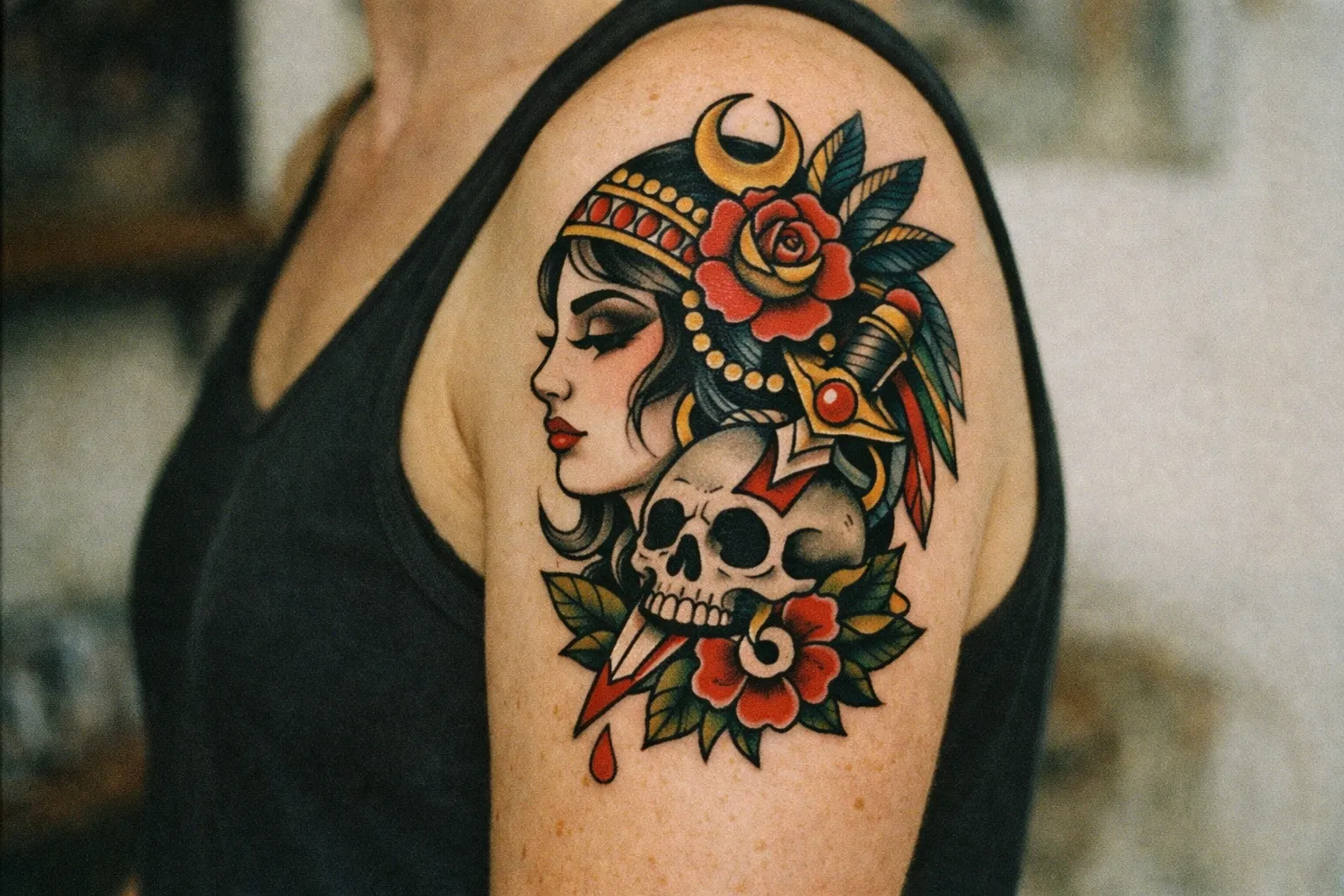
The common notation is simple once you know it:
- Crossed-out designs are retired or already booked: off the table
- Tick marks or initials next to a design usually mean it’s booked or reserved
- No mark means it’s still available
- Price tiers are sometimes noted per design or per size band directly on the sheet
Online galleries add their own layer. Studios label collections “repeatable” or “one-off,” and a repeatable-flash collection will say plainly that pieces can be booked more than once (11). Check the listing before you assume anything.
When nothing’s marked, ask two different questions, because they mean different things: “Is this one still available?” and “Will you do this one again after me?” The first is about booking. The second is about uniqueness. Don’t conflate them.
What You Can (and Cannot) Change About a Flash Design
Flash is drawn with a specific intention: the line weight, composition, and proportions are the design, not suggestions. The whole speed-and-price advantage exists because the piece is already finished. Ask for enough changes and you erase that advantage entirely. The moment a piece is meaningfully altered, it stops being flash and becomes a custom tattoo.
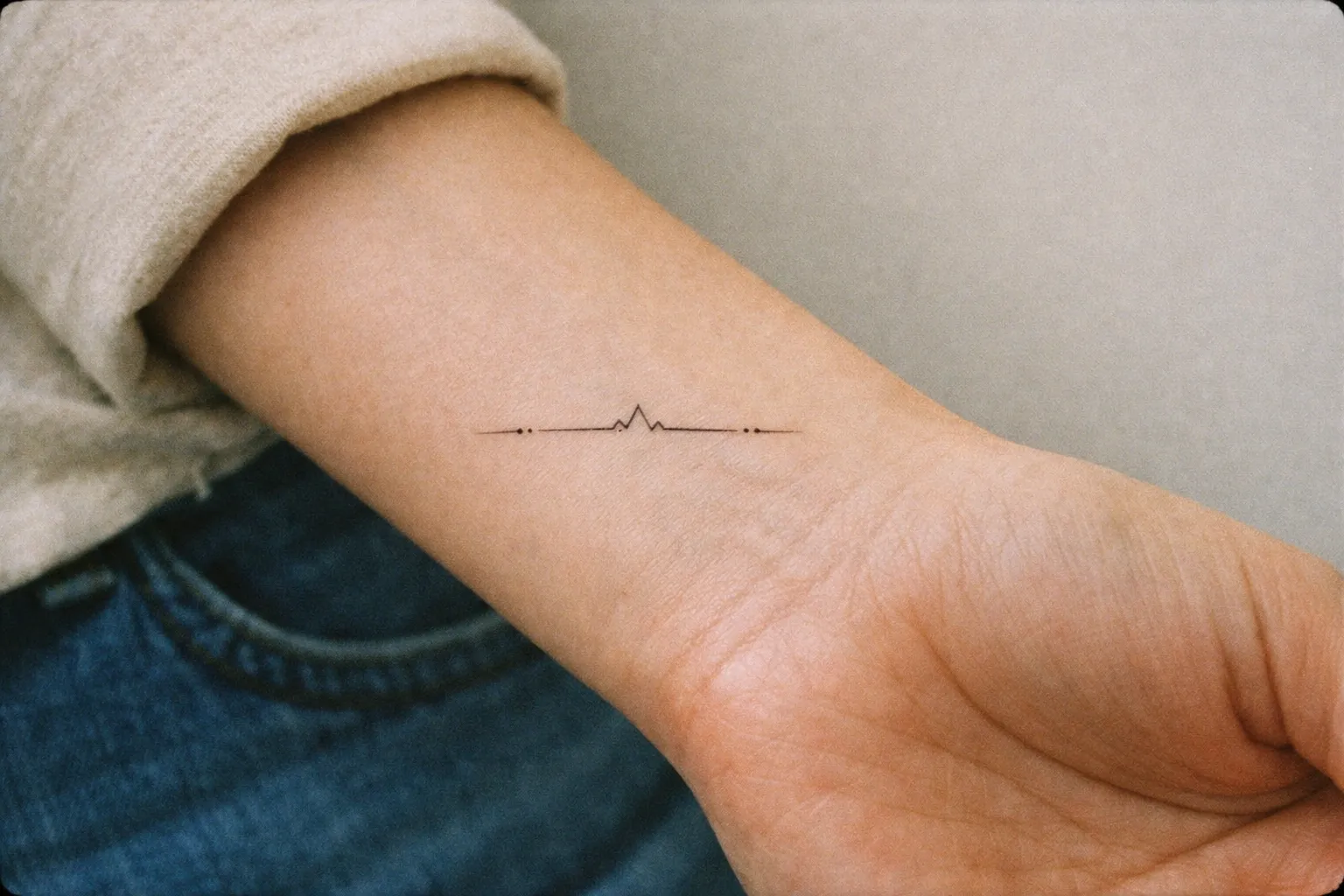
Most artists will do minor tweaks at their discretion:
- Small size adjustments to fit your placement
- Simple color swaps, like a red rose to black, or full color added to a black design (12)
- Removing a small background element
What converts flash into custom work:
- Altering the line weight or style, such as turning a bold traditional piece into fine line
- Combining two flash designs into one
- Changing the composition or pose
- Adding significant new elements
When a change crosses that line, the price and timeline change with it. It’s custom now, quoted and scheduled accordingly. The practical test is blunt: if the artist has to redraw it, it’s custom. Rabble Rouser’s Halloween Flash Day spells the boundary out in its own terms: arms and legs only, no cover-ups, no design customization or resizing, but custom color requests are fine (12). Every shop draws the line somewhere; ask where theirs is before you get attached to a modification.
Asking the Right Questions Before You Commit
You don’t need a checklist, just a few natural questions before the stencil goes on. “Can I get this in black and grey instead?” “Can we size this up for my forearm?” “Is there anything on this sheet you won’t modify?” An artist would far rather answer those up front than hear a modification request halfway through the session.
Flash Days and Themed Events: How They Work
A flash day is a shop event where a limited set of designs is offered at simplified, tiered pricing during specific hours, usually walk-in only and first come, first served. Many are themed (Halloween, Friday the 13th, Valentine’s Day) and the pricing is announced ahead of time so you know the tiers before you show up.
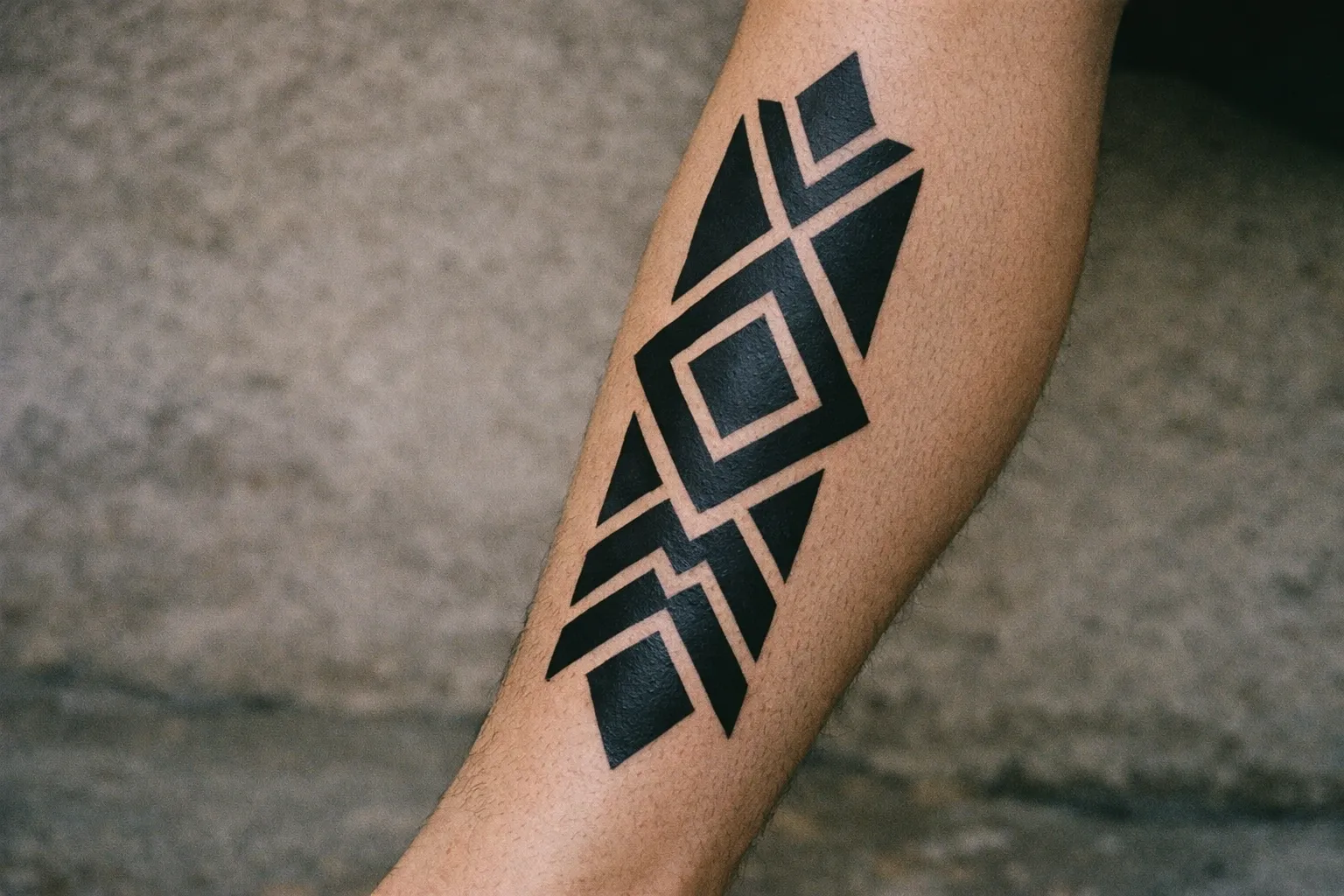
Rabble Rouser’s Halloween Flash Day is a clean example: walk-ins all day from 12pm-10pm, dozens of fresh designs from each artist plus hundreds from past years, prices starting at $100 plus $20 to add full color, arms and legs only, cash preferred, with sneak peeks posted on Instagram the day before (12). Fixed hours, a defined sheet, tiered prices, restrictions stated up front: that structure is typical of the format.
The catch is volume and pace. Designs get crossed off as they’re taken, the queue builds, and artists are moving fast. Decisions need to happen quickly. If you want to navigate one well:
- Arrive early, because popular designs go first
- Screenshot or print the advertised sheet beforehand
- Have two or three backup choices ready
- Know your placement before you’re in the chair
Flash days are high-volume by design. Come decisive.
Will Someone Else Have the Same Tattoo? The Repeatability Question
By definition, flash is a design meant to be reused. That’s the format, not a flaw. If you assumed your flash piece would be one-of-a-kind, this is the misunderstanding to correct before you sit down.
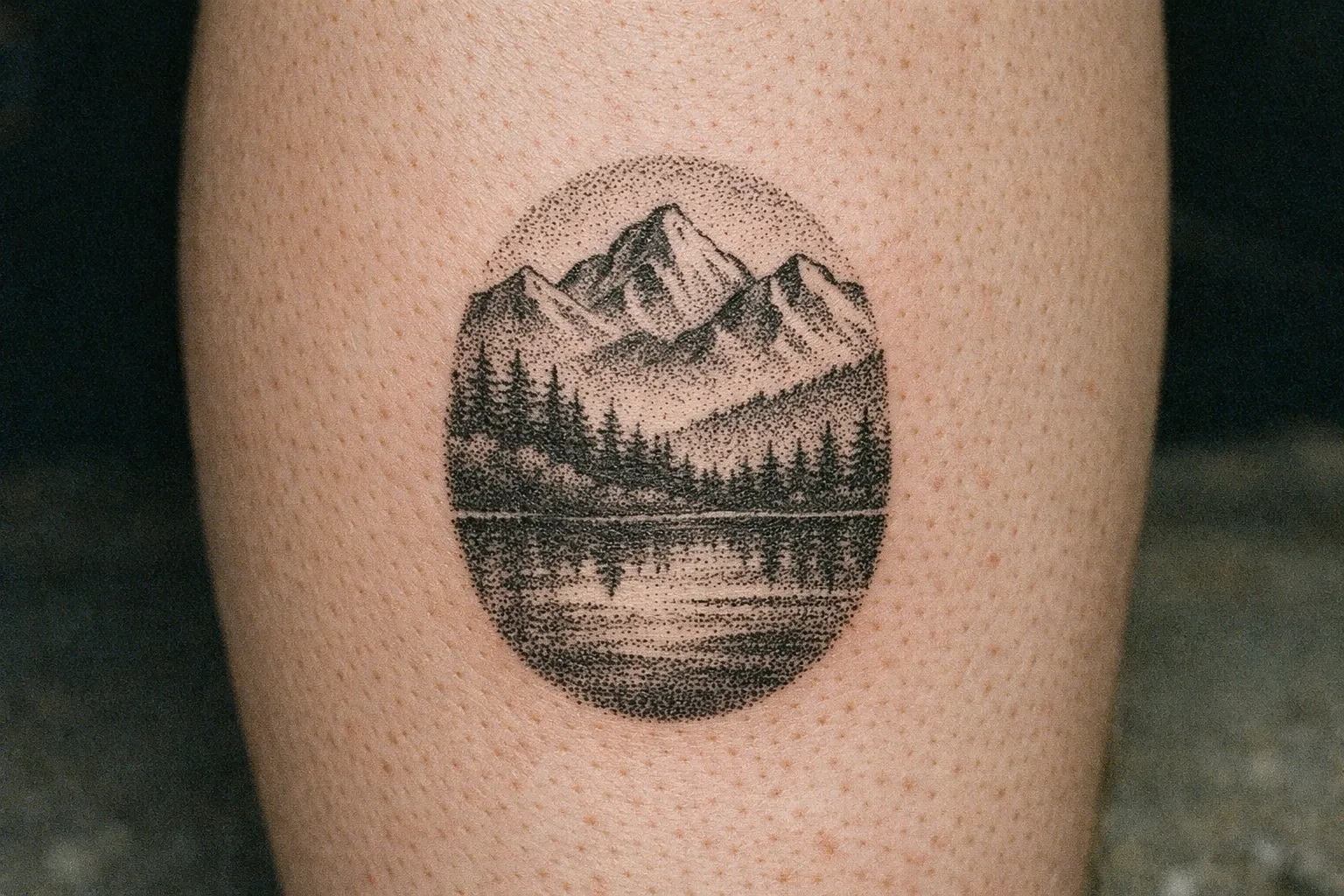
Practice varies, though, and there’s no universal rule. Some artists repeat a design indefinitely, treating flash as stock. Some alter colors or details between clients. Some retire a design after a single use. One aftercare brand’s flash primer puts the default plainly: because the designs are pre-drawn, “flash tattoos are generally not unique to the client” and multiple clients may end up wearing the same piece (7).
The modern online scene has made this easier to check. Labeled collections, “repeatable flash” versus one-off, are increasingly common, and a repeatable collection will state that a piece can be booked more than once (11). Other artists split their page into repeatable and non-repeatable outright (10).
So the honest framing is this: if uniqueness matters to you, ask explicitly before you commit: “will you tattoo this on anyone else?” If it doesn’t matter, and the design works as drawn, the fact that others wear it is irrelevant to how it looks on you. Both positions are legitimate. Just know which one you hold before you’re in the chair.
How Flash Pieces Heal, and What Affects the Long-Term Result
Flash tattoos are permanent and they heal exactly like any other tattoo. The format of the design changes nothing about the biology. So “how long does a flash tattoo last?” has a short answer: for life, with the same aftercare and the same aging factors as a custom piece.
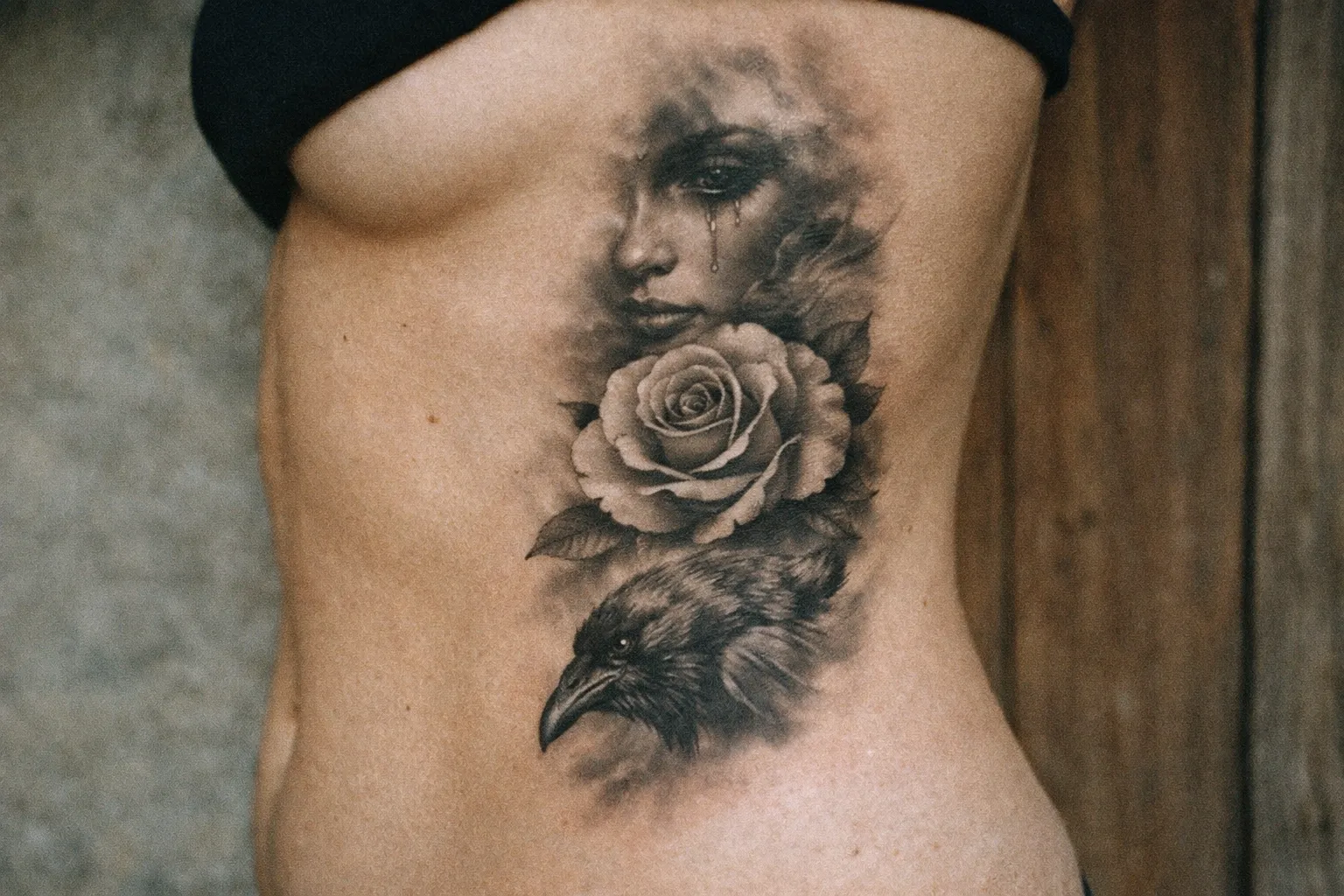
The healing timeline follows standard tattoo protocol:
- Days 1-3: Keep the bandage or second-skin on as advised. Wash gently with unscented soap, pat dry, and apply a thin layer of fragrance-free moisturizer 2-3 times daily.
- Week 1: The tattoo looks shiny and tight. Continue gentle washing and light moisturizing. No soaking (no baths, pools, or oceans) and no direct sun.
- Weeks 2-3: Peeling and flaking are normal. Do not pick or scratch. Keep moisturizing.
Surface healing takes about 2-3 weeks, while the deeper layers can take up to a year to fully settle. Once it’s healed, sun is the main threat: use sun-protective clothing or high-SPF sunscreen, because UV fades tattoos faster than anything else.
Long-term readability comes down to design choice and placement far more than the flash format itself. Bold outlines and high contrast, the classic American traditional recipe, age significantly better than fine-line work on high-movement areas like hands, fingers, or the inner wrist. Flash pulled down under about 3 cm with very fine linework blurs first, and fine-line work generally wants a touch-up every 5 to 7 years. Line weight and size matter more than whether the design came off a sheet.
Frequently Asked Questions
- What does flash mean in tattooing?
- Pre-drawn designs displayed in a studio for clients to pick and tattoo as-is; no custom brief needed. The term comes from carnival and circus trade in the late 1800s, where eye-catching displays were called flash.
- How long does a flash tattoo last?
- Permanently. Flash tattoos heal like any tattoo. Surface healing takes 2-3 weeks; the deeper skin can keep settling for months. Longevity depends on design, line weight, and placement.
- Why are flash tattoos so cheap?
- The design time is already built in. The artist drew it once; you pay for tattooing, not drawing. Custom work adds design and consultation time, which flash skips.
- How expensive is a flash tattoo?
- Tiny flash runs about $20-$80, small flash $50-$150, and medium flash $100-$250, with most shops holding a minimum of $80-$150+. Flash-day pricing can be tiered, e.g., $100 base plus $20 for color.
- Can I change a flash design?
- Minor tweaks like size adjustments or simple color swaps are often allowed. Major changes like line weight or composition convert it to custom work with different pricing.
- Will someone else have the same flash tattoo as me?
- Probably yes, unless marked one-off. Flash is repeatable by definition. Some artists retire designs after one use; most do not. Ask if uniqueness matters.
- What's the difference between a flash day and a regular walk-in?
- Flash days are scheduled events with limited designs and tiered pricing, often themed and first come, first served. Regular walk-ins pick from the shop's daily flash selection.
- Do I need an appointment for flash?
- Not usually for small pieces. Larger or complex flash may require appointments. Flash days are walk-in but can have queues; arriving early helps.
Before You Pick Up the Marker and Point at the Wall
Three decisions determine whether a flash tattoo works for you, and they matter in this order.
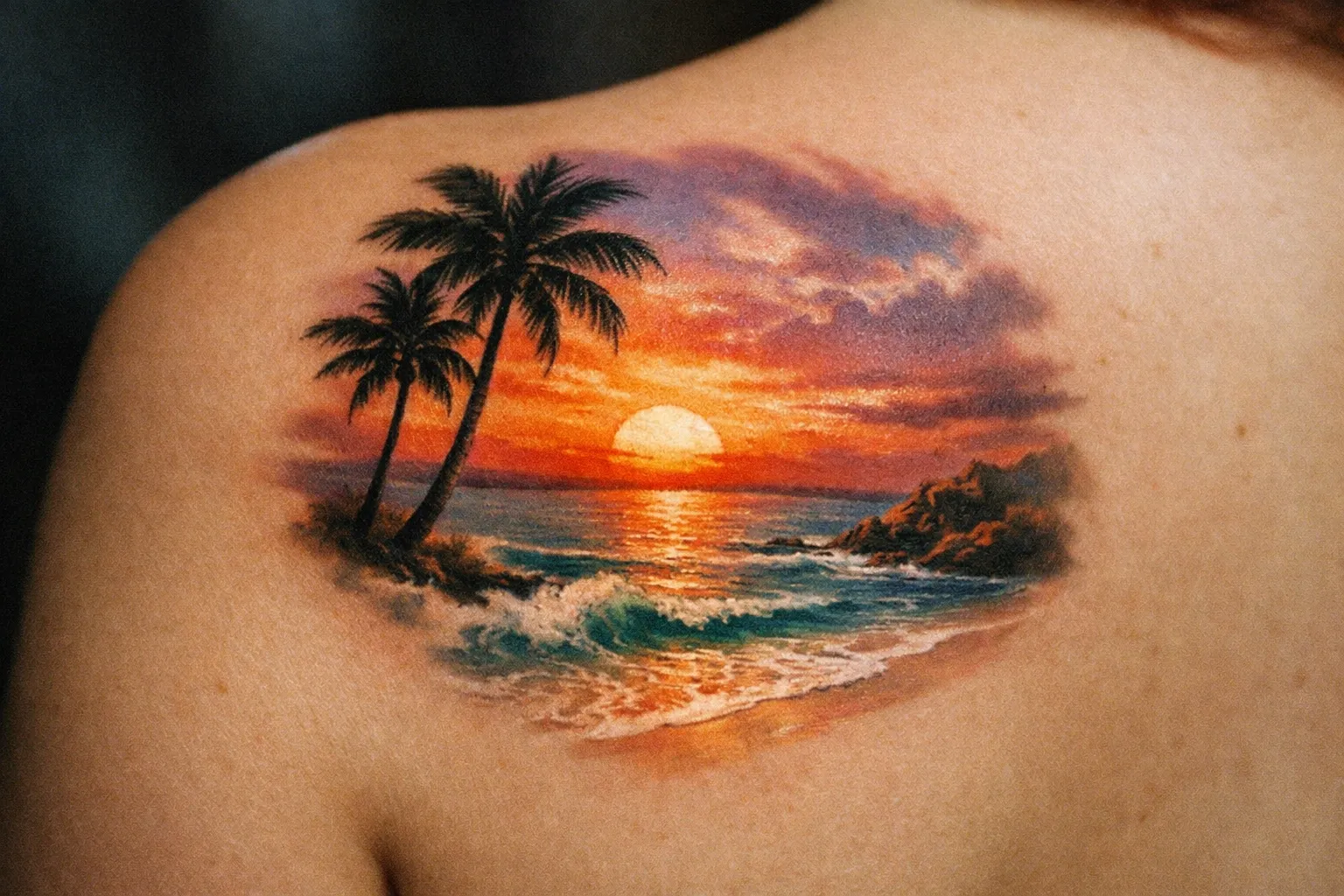
Placement first. Name the body part and think about curvature and size before you fall for a design. A piece drawn for a flat forearm can fight a ribcage, and no amount of loving the artwork fixes a bad fit.
Line weight and style second. Bold traditional flash holds contrast for decades; fine-line flash on hands, fingers, or the inner wrist blurs faster. Know which you’re choosing and where it’s going.
Repeatability third. If it matters to you, ask the artist outright whether they’ll tattoo the design on anyone else. If it doesn’t, pick the one that works as drawn and sit down: the fact that others wear it changes nothing about how it reads on your skin.
If you want to go deeper on the tradition underneath most classic flash, our American traditional tattoo guide covers the style hallmarks, sleeve planning, and motif history in full.