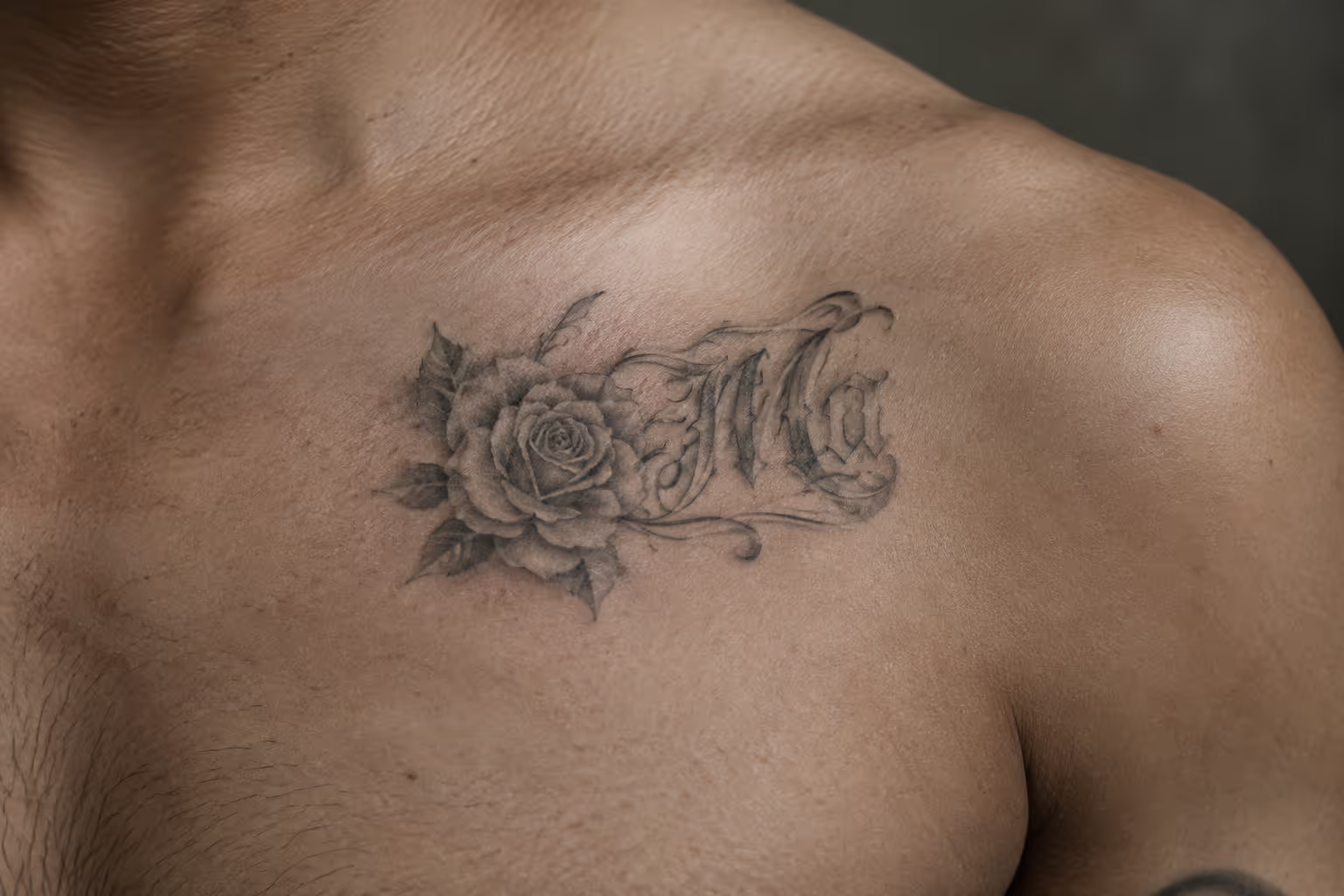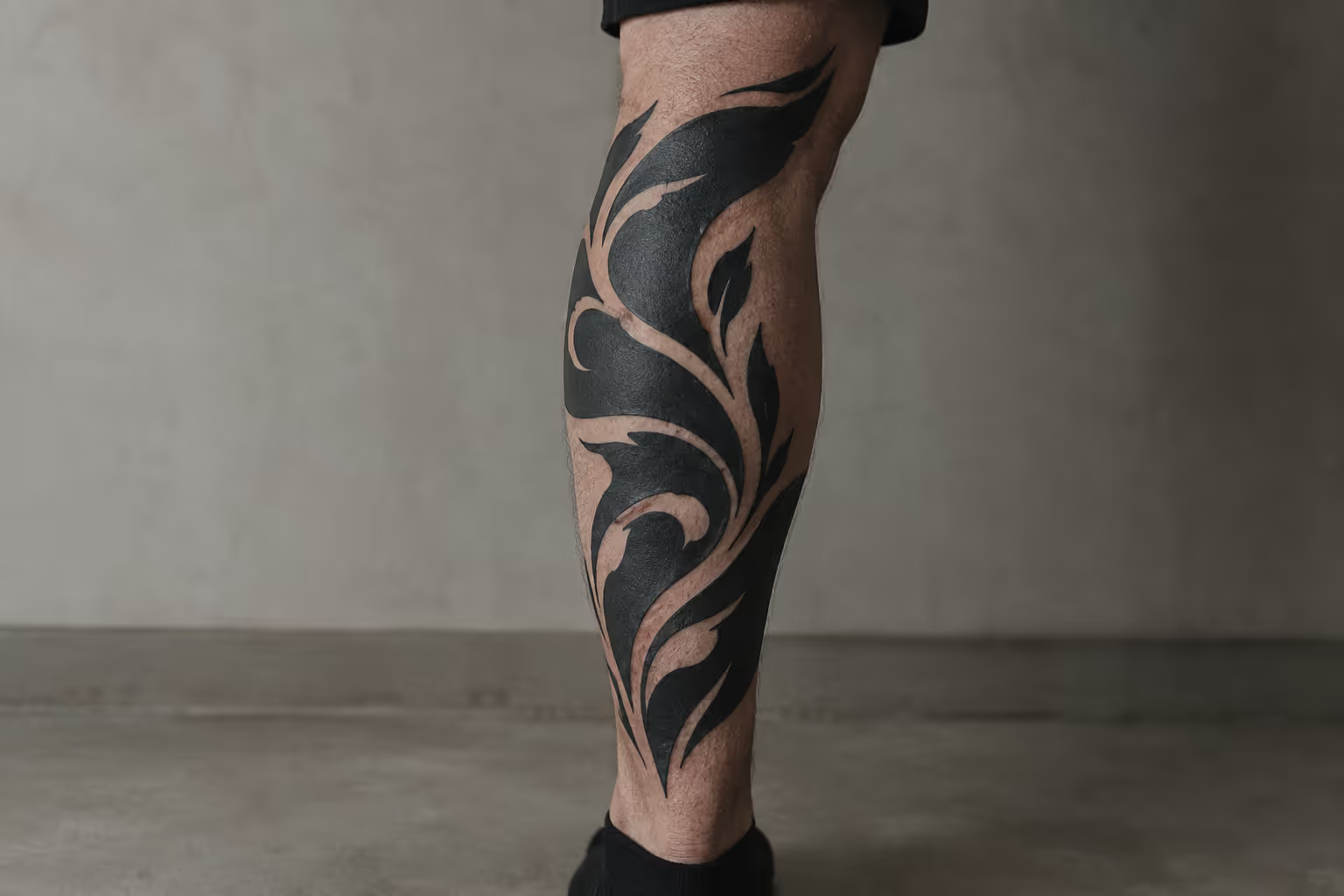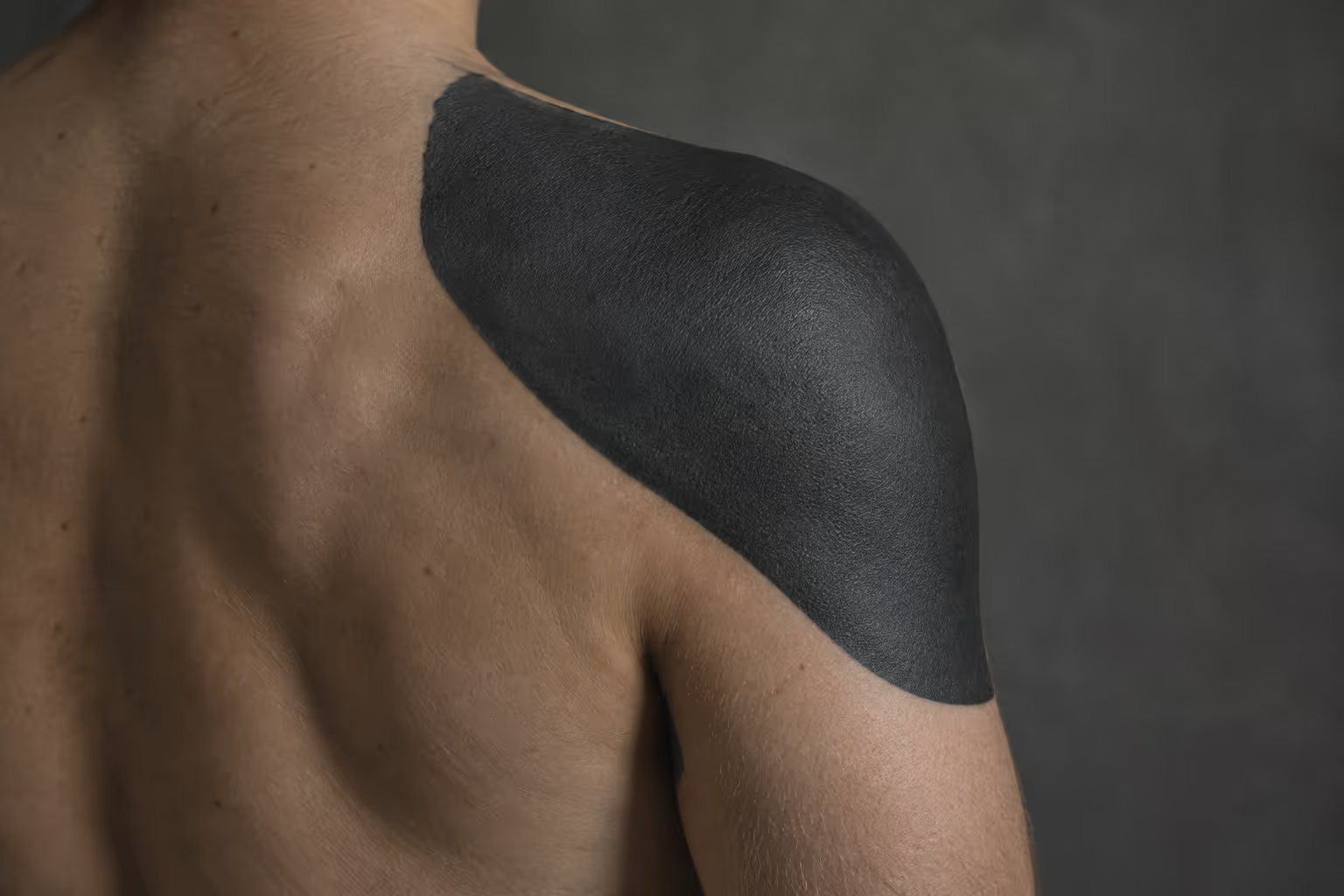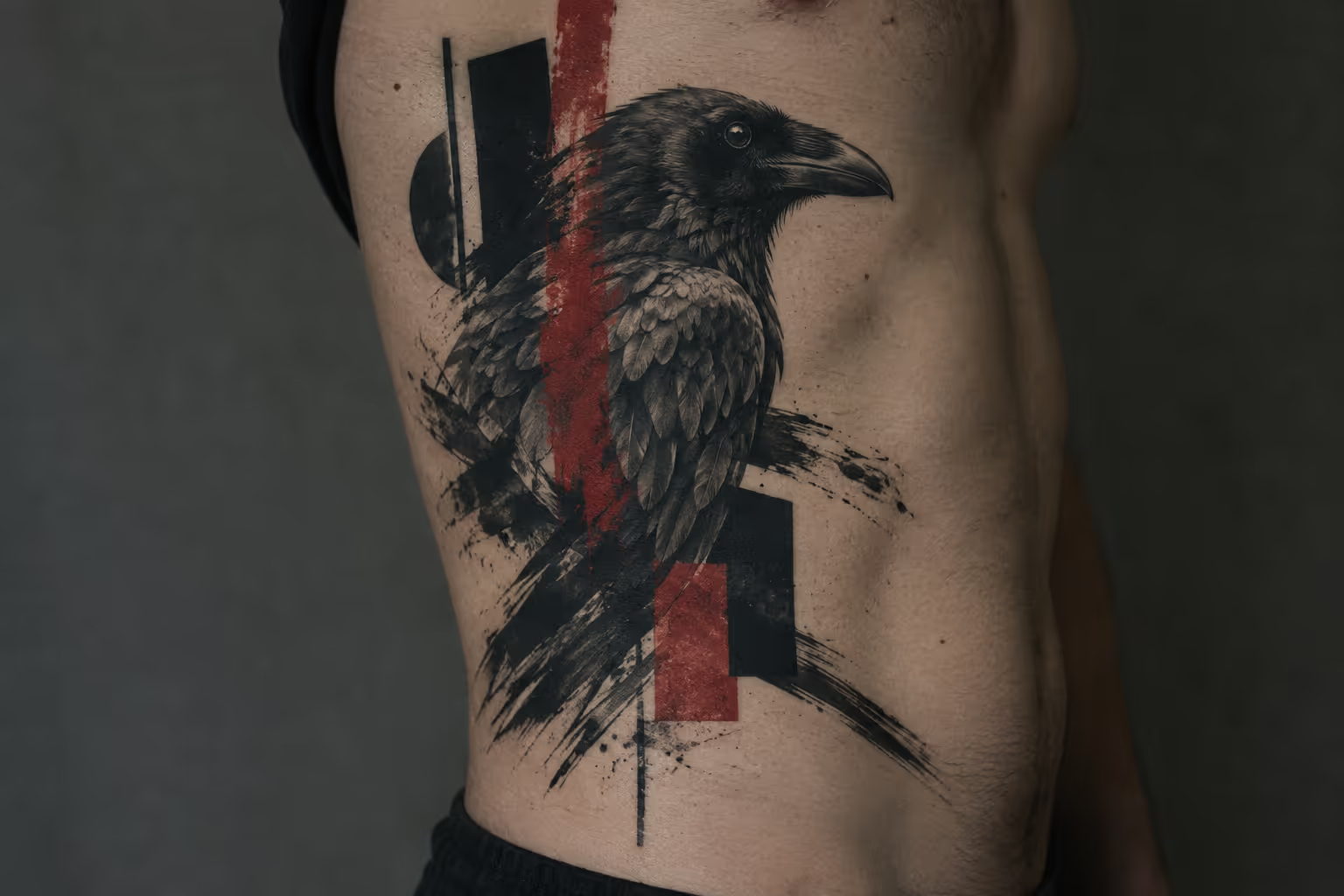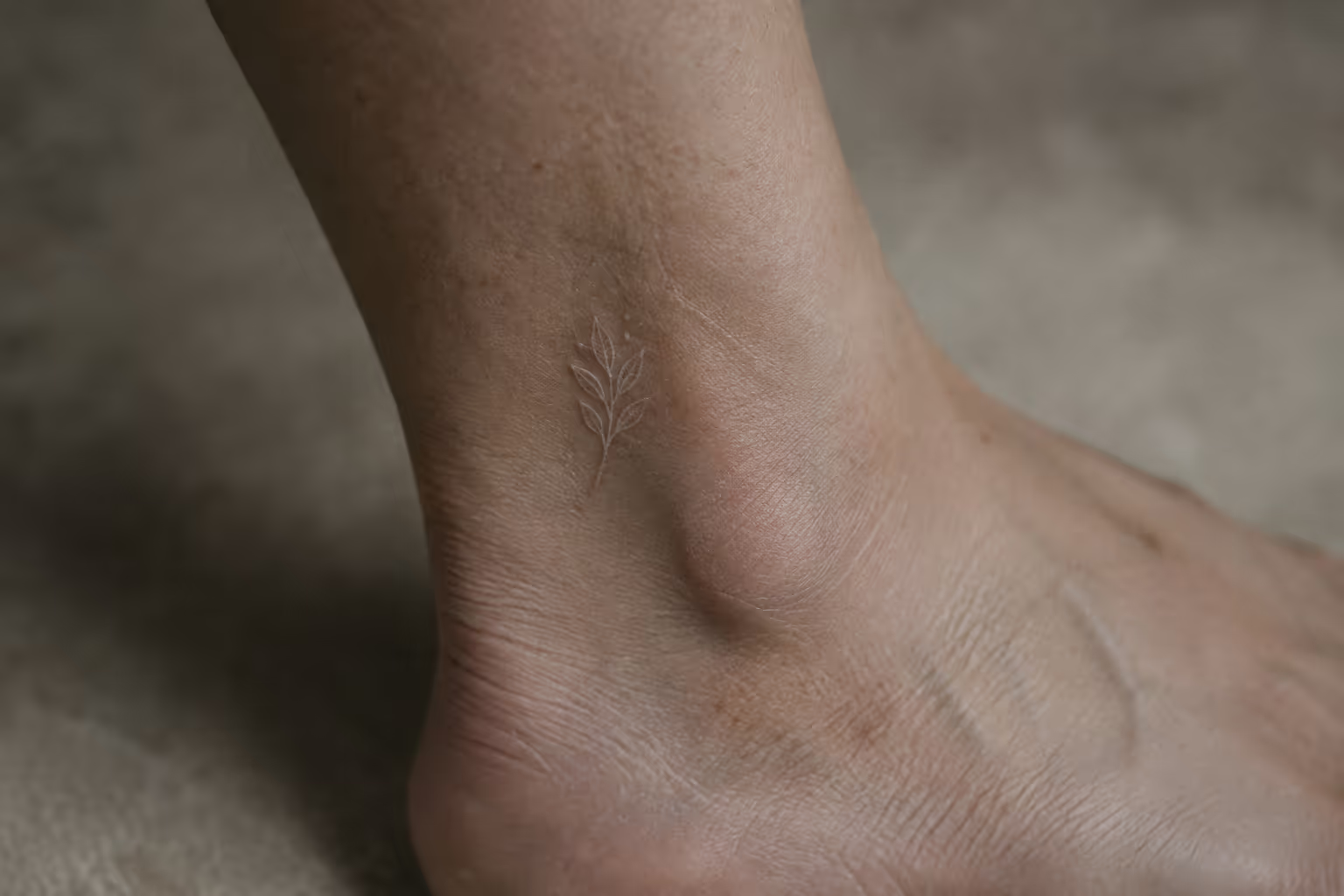
A white ink tattoo looks crisp and bright the day you get it, but the healed piece can look quite different. Most white-ink tattoos are reported to become illegible within 5-7 years (3), and on darker skin the white can heal slightly darker than it went in (2). If you still want one, three things decide whether it stays readable: the design, the artist, and your sun habits.
What White Ink Is, and Why Some Artists Skip It
White ink is used alone or as a highlight beside darker ink, and it is the tattoo color most susceptible to fading (3). Artists use it in two ways.
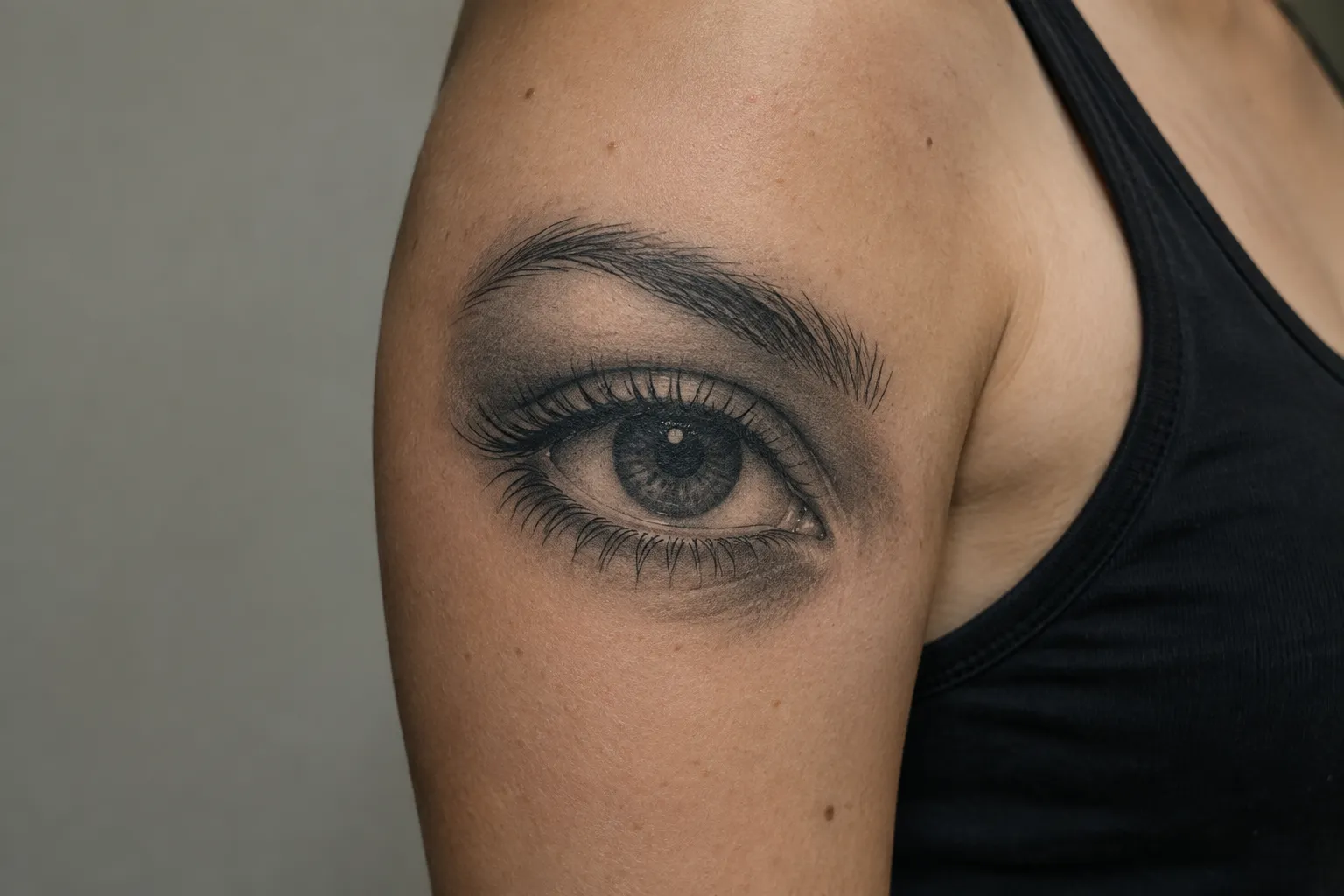
- Worked in deep: white ink is often thicker and has to be worked deeper into the skin to stay visible, one studio explains (4).
- Used as a highlight: small doses, like a light reflection in an eye, the shine on metal or glass, or a sharper edge beside deep black (4).
The common pitfall is overworked skin. Scarring after a tattoo often comes from tattooing too deeply and going over the same area too many times (2), and pure white lines often heal with a slightly raised texture that looks more like a light scar than a tattoo (4).
Why artists call white ink tricky to apply evenly
White is hard to judge while it goes in. Fresh work is still swollen, wet and holding surface ink that will flake away, so it flatters any tattoo (5).
Add healing that’s hard to predict, and you get the real answer to why many artists avoid white. They use it, mostly as a highlight, and some studios turn down a piece done in white alone (4). One removal provider describes white as a “tricky pigment” that artists often contain with darker ink (3).
The trade-off in brief: white gives a subtle, low-contrast look and works well as an accent beside darker ink. Against that, most white-ink tattoos become illegible within 5-7 years (3). It is also hard to judge while it goes in, and its healed shade on dark skin is hard to predict (2)(4).
✓ Pros
- A restrained accent can add highlights without making the surrounding design feel busier.
- White can soften a high-contrast composition when used in a small, planned area.
✗ Cons
- The healed result is difficult to predict from a fresh tattoo or another person's skin.
- A white-only design gives you little margin if its edges lose definition.
White Ink Tattoo Healing: What Changes Once It Sets
White ink tattoo healing usually ends with a softer, lower-contrast piece than the fresh one, so judge the design on healed photos, never on day-one pictures (5).
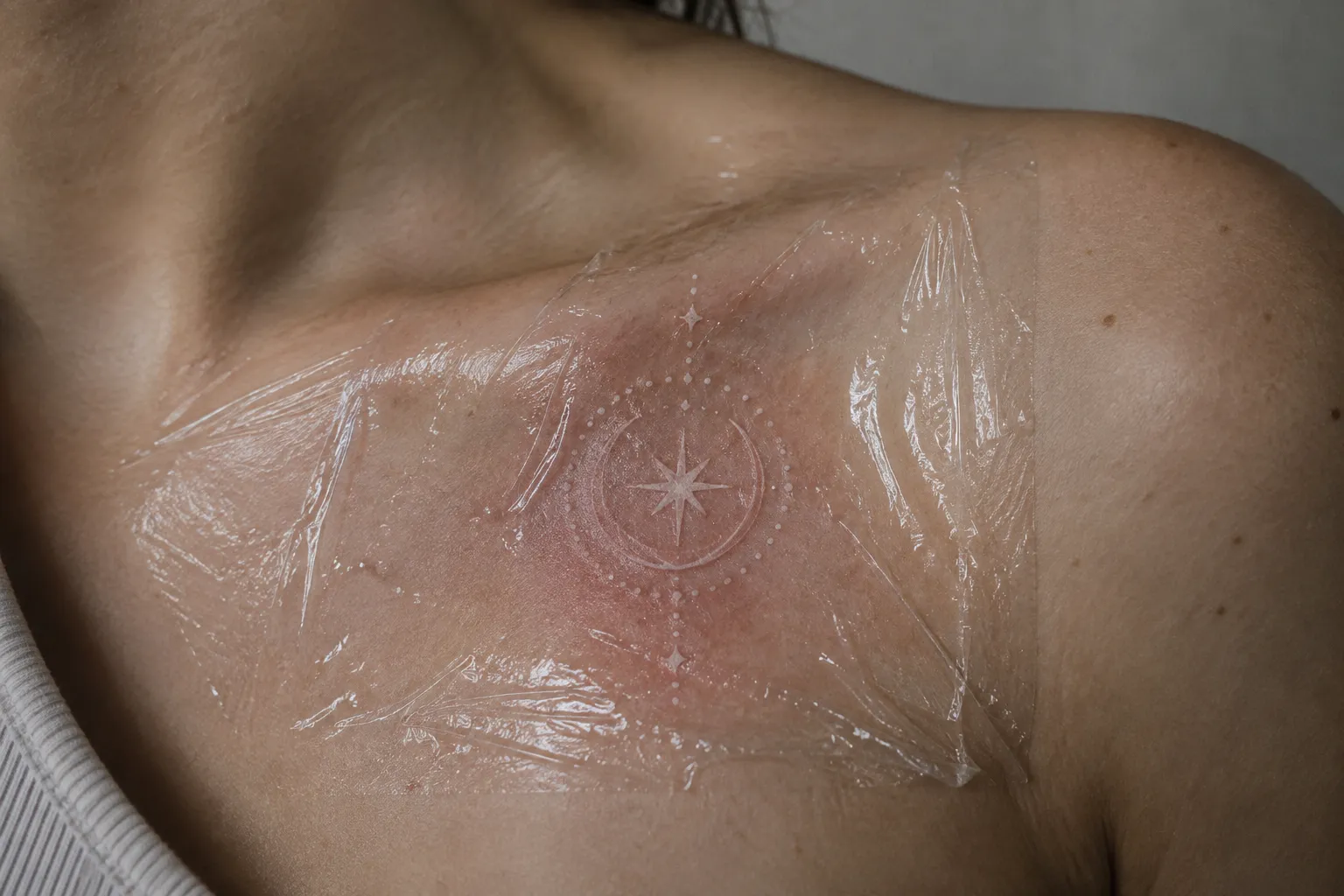
Fresh ink vs. healed ink, side by side
On day one, the fresh tattoo is still swollen and holding surface ink, which makes the white look its brightest (5). The pigment also sits beneath the epidermis, which filters how any tattoo ink shows through (2). The result is a quieter version of what you saw in the chair.
Here is what to expect while it heals:
- Day 1-3: wash gently and apply a thin layer of fragrance-free moisturizer. The white looks at its brightest here.
- Day 4-7: the surface dries and starts to flake, and the white can look dull or cloudy under the flakes (5).
- Week 2: peeling and itching. Don’t pick, because pulled flakes can take pigment with them.
- Week 3-4: the surface looks healed while the skin underneath keeps settling. Give it at least a month before judging whether anything needs a touch-up (5), and keep it out of direct sun for the first 4-6 weeks, as our tattoo aftercare timeline explains.
Why visibility often fades as the tattoo settles
A design done only in white has nothing dark defining its edges, and over the years white tattoos can become indistinguishable (3). If you chose white for subtlety, expect it to get more subtle with age.
How This Pigment Heals on Dark Skin
A white ink tattoo on dark skin can stay visible but heal slightly darker than the fresh white, because melanin filters how the pigment shows (2).
Why melanin changes how white reads
Tattoo ink sits in the dermis, under the epidermis, and melanin in that top layer affects how the color comes through (2). On dark skin, the same colors can look more muted (2), and one guide says white typically heals faint or slightly ashy rather than bright (5).
Not every source is that hopeful. One tattoo studio reports that on dark skin the white is often almost completely “swallowed” or heals patchy and brownish (4).
Lighter skin is no safe bet either. The same studio says white lasts longest on very light skin, yet still risks ending up looking like skin irritation (4), and another guide calls white unreliable on every skin tone, often healing nearly invisible (5). That’s why a fresh photo on someone else’s skin tells you very little about yours.
Design choices that hold clarity on dark skin
For dark skin, larger designs that use negative space give more clarity than very small, highly detailed, fine-line, or dotted designs (2). That guidance is about clarity, though. It doesn’t mean white alone will stay reliably visible.
Practical placement options:
- Arms, legs or back: lower-friction areas that a removal provider recommends for color work (3).
- Avoid the hands, neck and face: friction fades ink there quickly (3).
Choose an artist who can show healed work on a skin tone close to yours (2).
Fading, and the Truth Behind the “Yellowing” Claim
White ink tattoo fading happens faster than with any other color: most white-ink tattoos are reported to become illegible within 5-7 years (3).
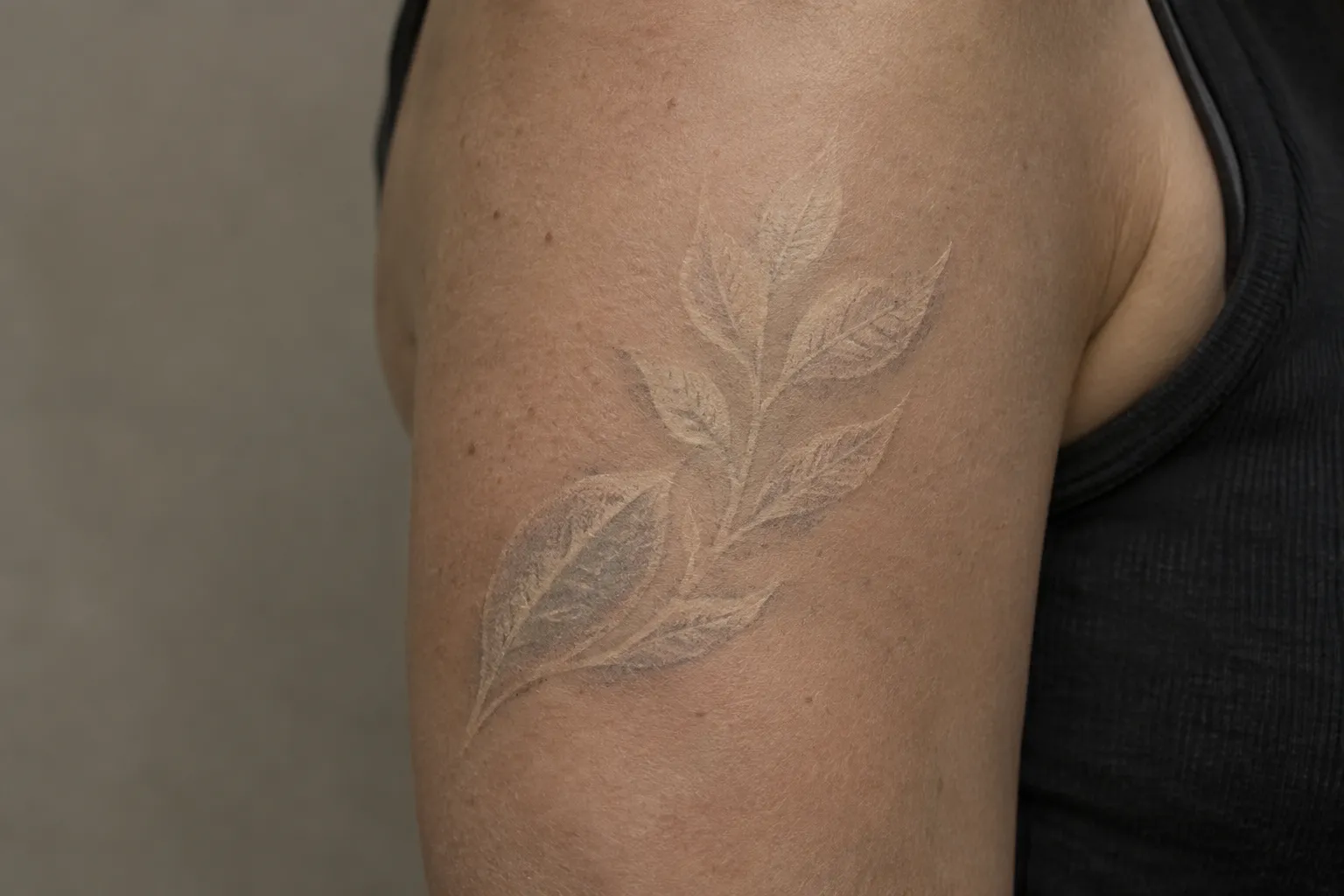
The 5-7 year illegibility window
Read that window as a general pattern, not a guaranteed lifespan for your tattoo. So does white ink last? The pigment stays in your skin, but legibility often doesn’t.
Sun exposure, friction-heavy placements like the hands, and how deep and saturated the artist laid the ink all affect how fast a tattoo fades (3). A white highlight inside a black-outlined design has dark linework holding it in place; a standalone white script has nothing (3).
Why white can look yellow
Plenty of people say their white tattoo “turned yellow.” One studio’s explanation: once the epidermis heals over the white and regains its natural tone, the white underneath often looks yellowish, brownish, or like a faded spot (4).
The same studio calls white ink extremely sensitive to UV radiation and to the melanin in your own skin (4), which is one more reason to keep it out of the sun.
Designs That Hold Up, and How to Find the Right Artist
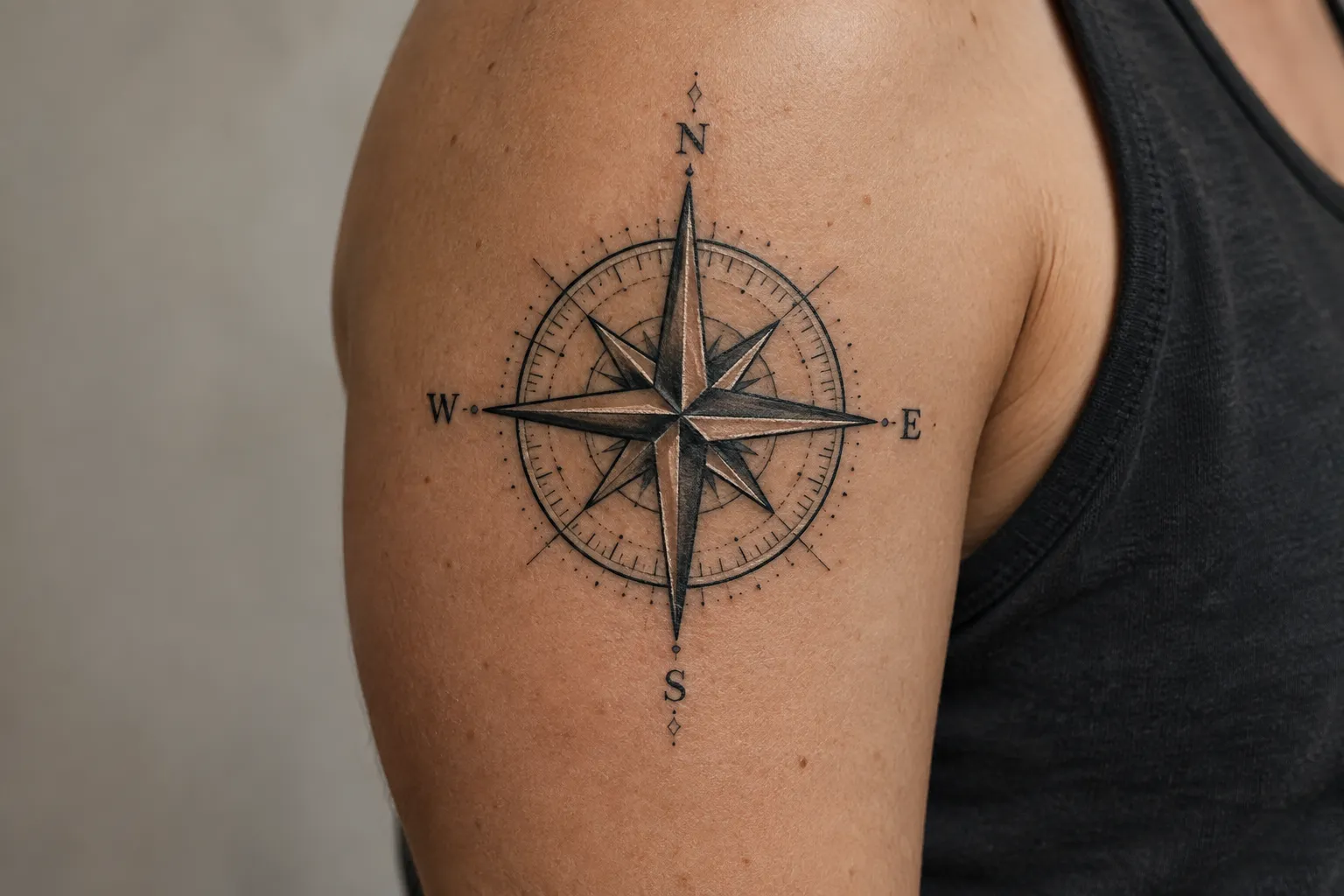
The white designs most likely to stay legible use white as a highlight beside black or color, not as the only pigment in the piece.
Pairing white with black or color to “fence” it
Artists often place dark ink next to white to help fence the pigment (3). The dark border gives the white an edge, so it reads as a highlight even as it softens.
This is why white works as the shine on an American traditional dagger: the black linework around it holds the design (3). White-only minimalist pieces, by contrast, are the ones the removal provider says become indistinguishable (3). If legibility matters to you, the rule is simple: white as an accent, never the whole tattoo (5).
What to ask before booking: healed photos, not just fresh
Fresh photos of white work can’t show you the result, because white tattoos can become indistinguishable over time (3). Ask the artist for:
- Healed white work, photographed three months or more after the session (5)
- Healed examples on your skin tone (2)
- A plain answer to how your specific design will read once it settles
An artist who only shows day-one shots of solo white pieces is showing you the best moment, not the lasting one.
Sun Care and Touch-Up Timing to Keep the Ink Visible
Healed white ink needs sun protection whenever it is exposed. The American Academy of Dermatology recommends broad-spectrum, water-resistant SPF 30 or higher on tattoos (1).
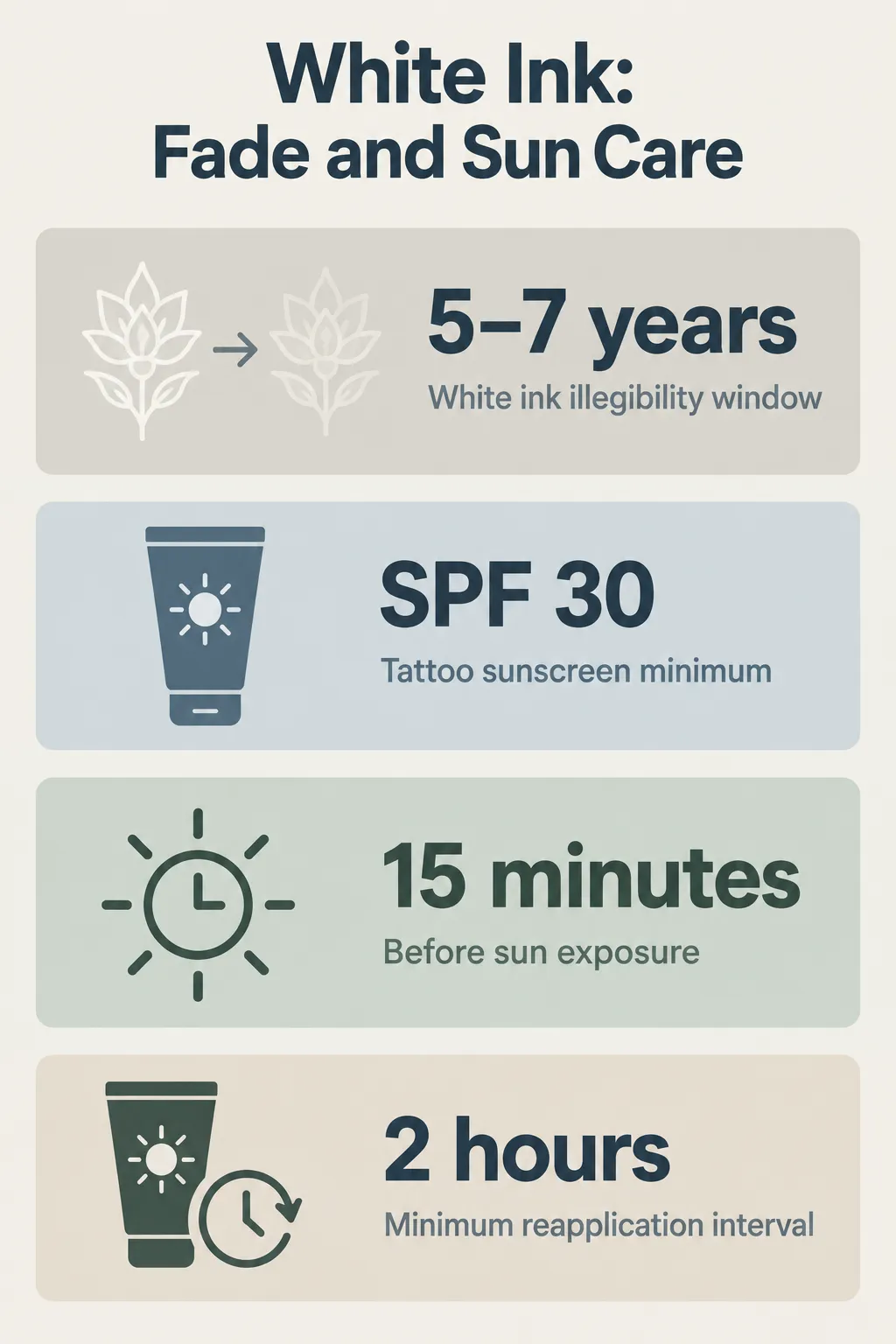 White-ink tattoos are reported to become illegible within 5-7 years; the American Academy of Dermatology recommends SPF 30 or higher, applied 15 minutes before sun exposure and reapplied at least every 2 hours.
Daily SPF routine for healed tattoos
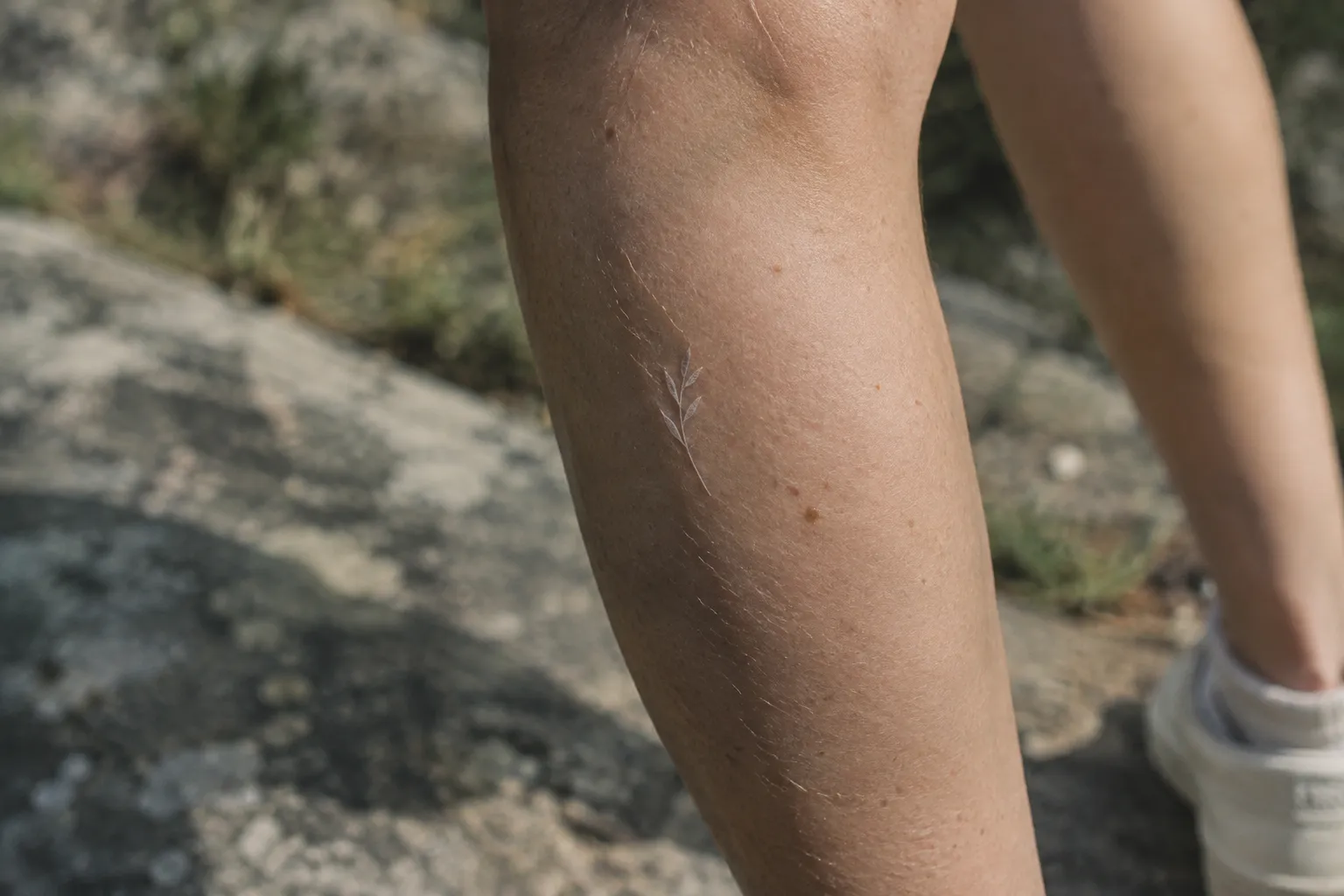
According to the American Academy of Dermatology, UV light can fade some tattoo inks. The AAD’s routine (1):
- Apply sunscreen 15 minutes before going outside.
- Reapply at least every 2 hours.
- Stay out of tanning beds and away from sunlamps, which may fade ink and raise skin-cancer risk.
White is already the pigment most prone to fading (3), so this routine matters more for a white piece than for a black one. On long outdoor days, covering the tattoo is the best way to avoid UV fading, with a high-SPF sunscreen as the fallback (3).
When to plan a touch-up
If a patch healed light, most artists offer a touch-up once the skin has fully settled; the aftercare timeline puts it between weeks 6 and 12. Later, when the white has lost its brightness, a touch-up session puts new ink over the faded areas, and on a badly faded piece the artist may add outlines and details to restore the image (3). Check the piece in daylight and book a re-ink before the white becomes illegible rather than after.
Frequently Asked Questions
- Does white ink last in tattoos?
- A removal provider reports that most white-ink tattoos become illegible within 5-7 years; the pigment can stay in the skin after it stops reading clearly as a tattoo.
- Why don't tattoo artists use white ink?
- Fresh white is hard to judge while the skin is swollen, its healed result is hard to predict, and pure white lines can heal raised like a light scar, so many artists use it only as a highlight beside darker ink.
- Do tattoos with white ink fade?
- Yes. White is the tattoo color most prone to fading, so check the healed design in daylight before deciding whether a touch-up would improve its readability.
- Do white ink tattoos turn yellow?
- They can look yellowish or brownish once the skin heals over the white and regains its natural tone, as one studio explains, and white ink is sensitive to UV.
- Can white ink tattoos look like scars?
- They can: pure white lines often heal with a slightly raised texture that reads as a light scar. A raised or changing area is worth showing a dermatologist.
- Does white ink hurt more?
- Pain depends on placement, session length and your own tolerance rather than the ink color; the ribs hurt far more than the outer forearm, and packing that passes over the same skin repeatedly adds to it.
Before You Book a White Piece
White ink gives you a quiet, low-contrast look. In return, it fades faster than darker pigment, can heal darker or patchy on dark skin, and often heals faint on any skin tone. Your best odds come from white used as a highlight fenced by black or color, placed on a lower-friction spot like the arm, leg or back, and backed by SPF 30+ whenever it sees sun. Before you commit, ask your artist for healed white-ink photos, ideally on your skin tone. That’s the only preview that counts.