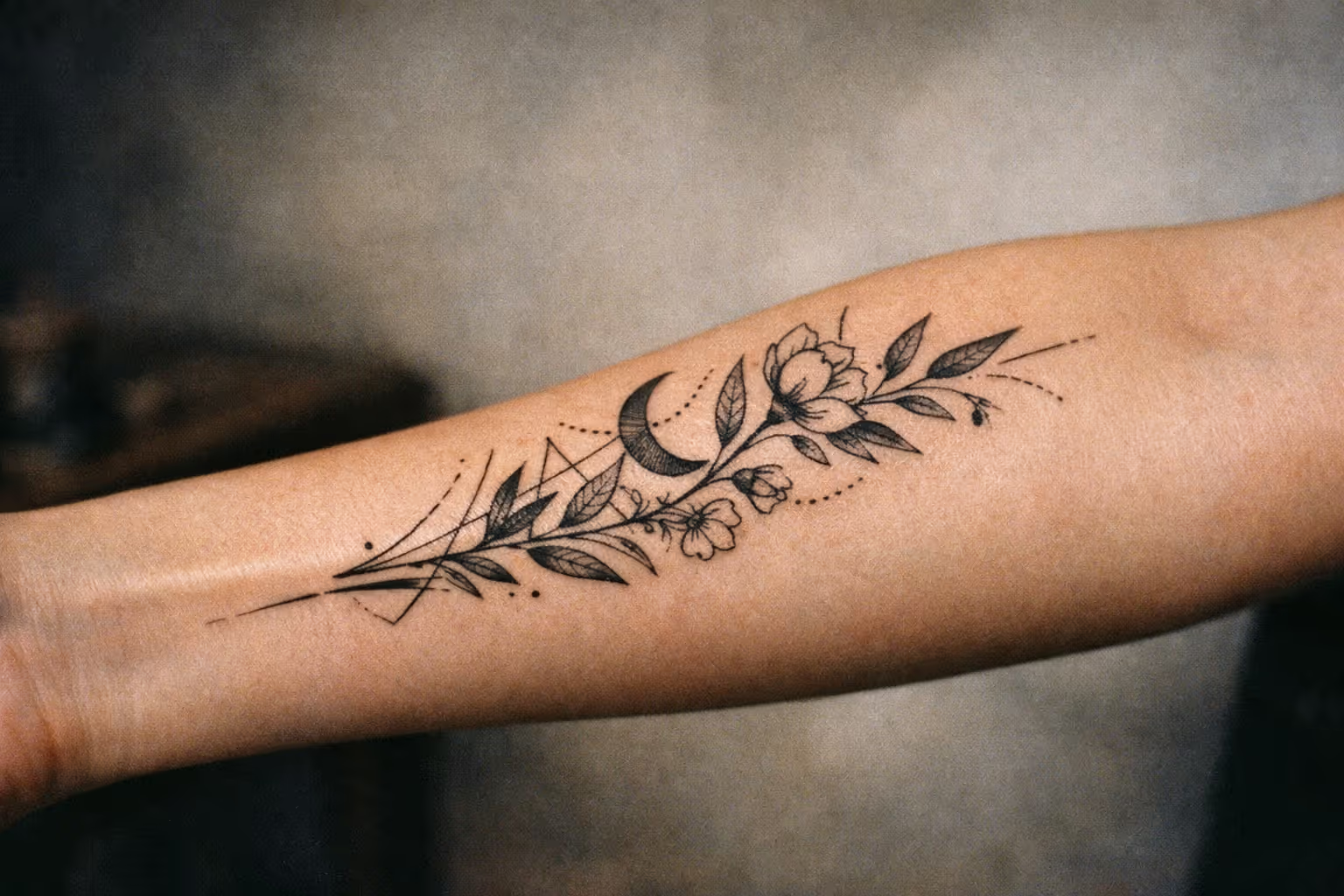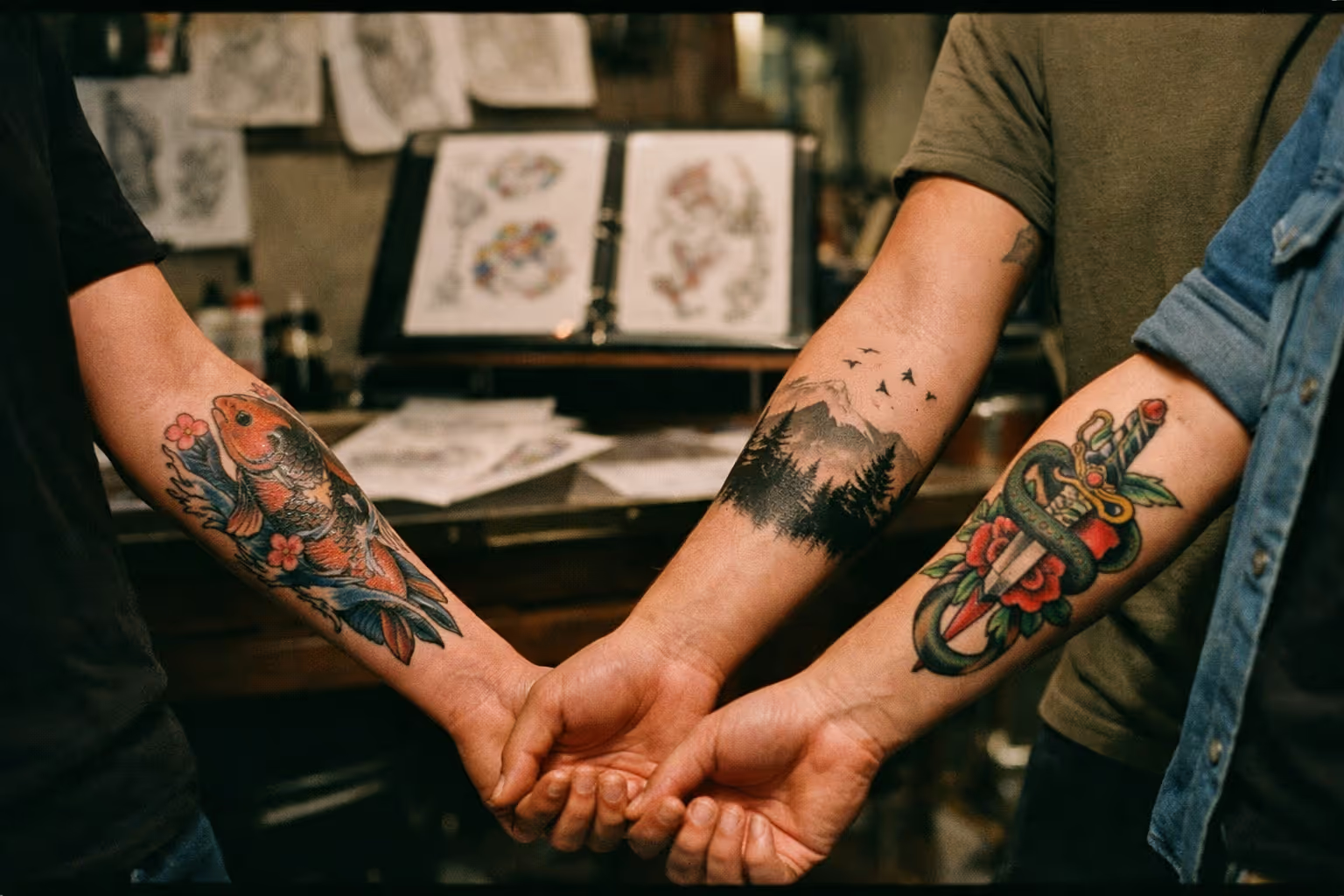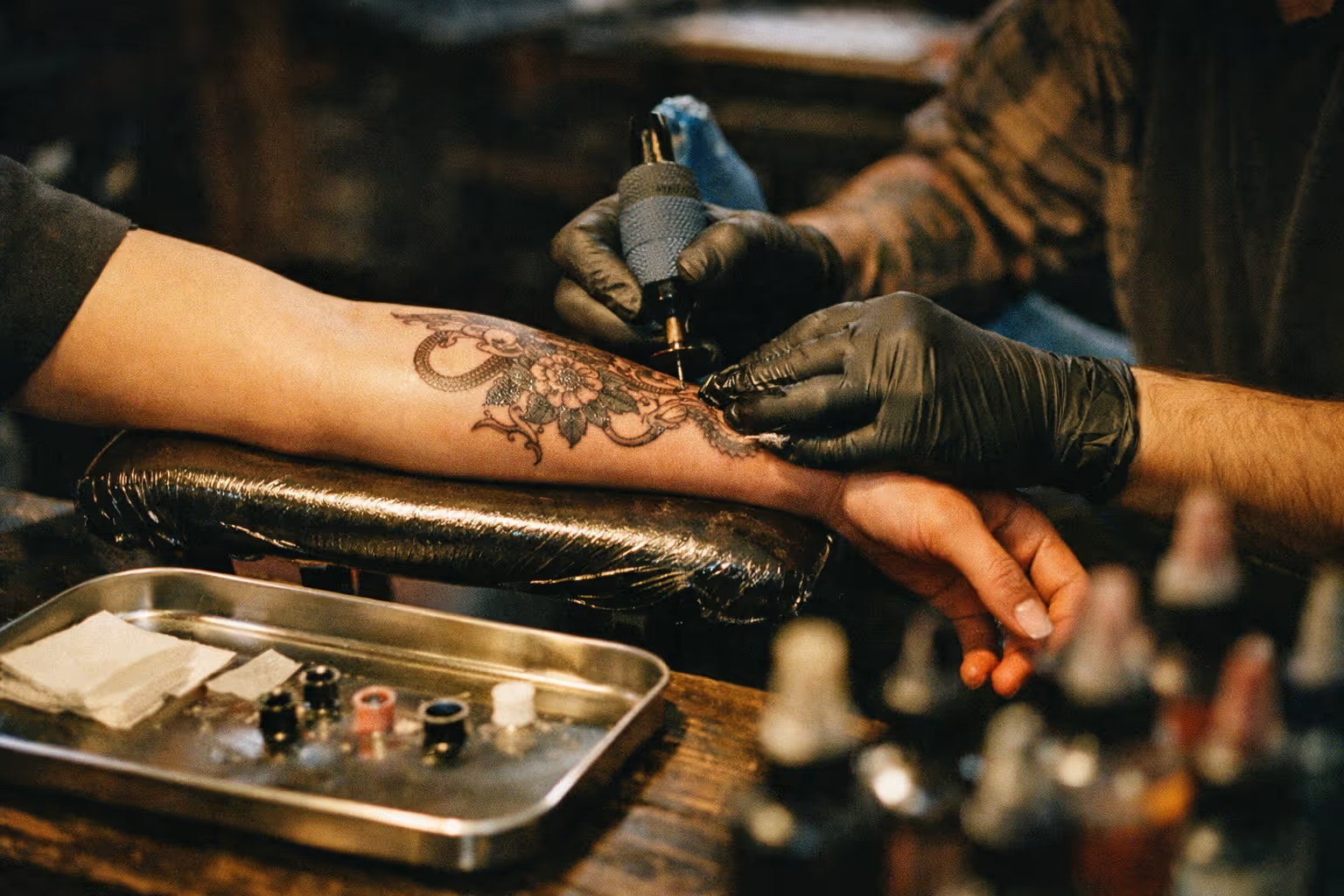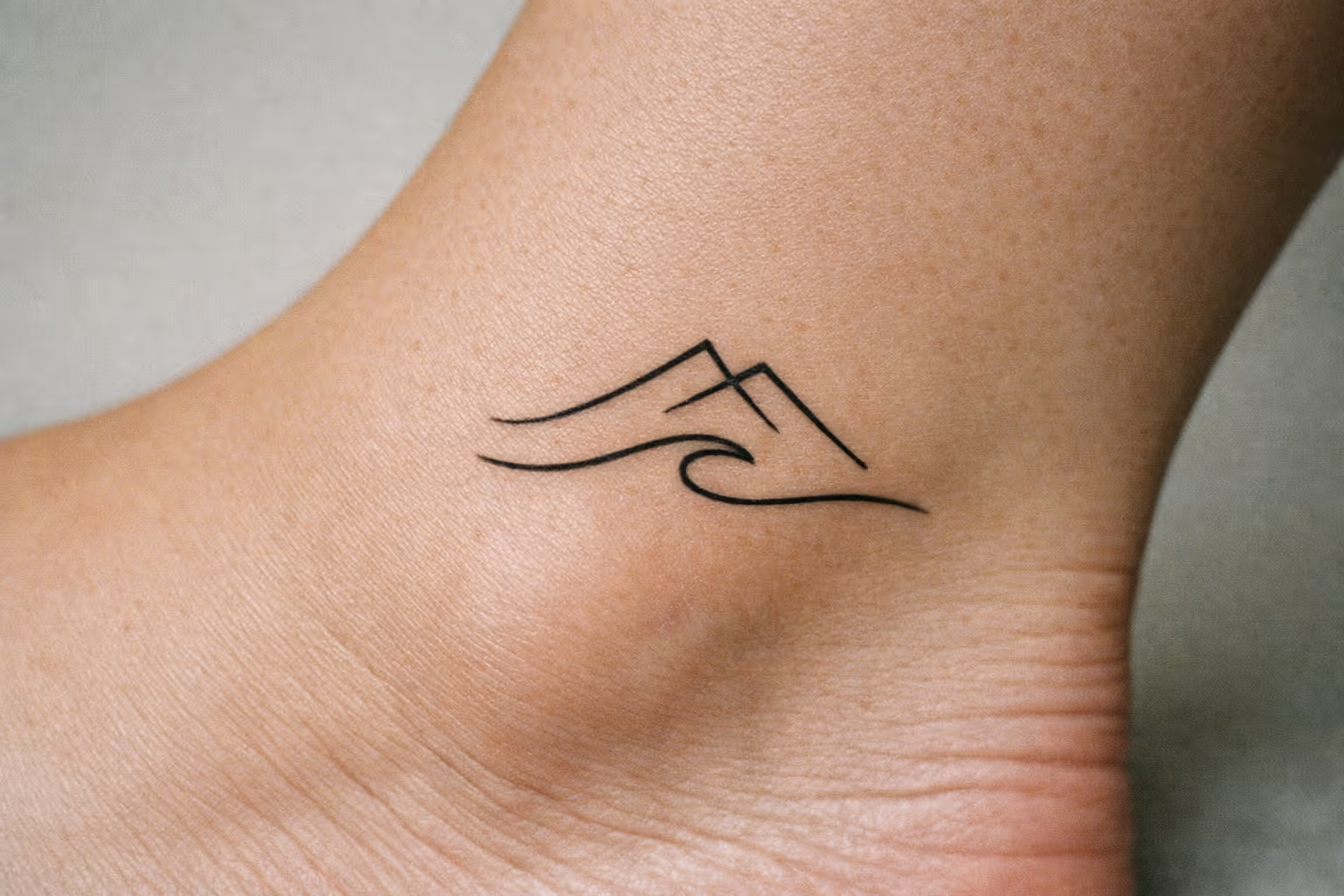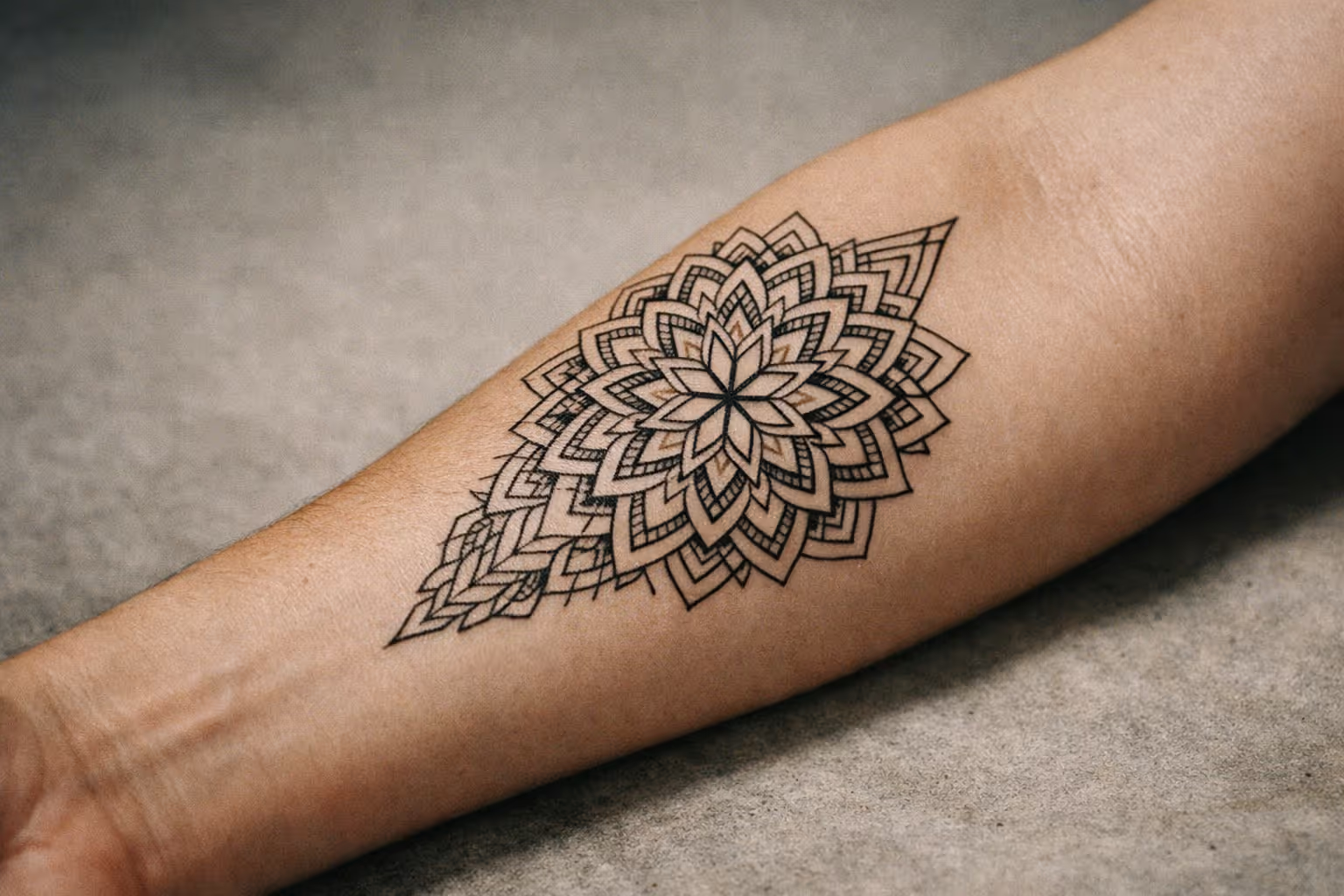
Most tattoo reschedules don’t come from cold feet - they come from a sunburn or a hangover the artist won’t work over. Knowing what to do before getting a tattoo is mostly about not sabotaging your own skin in the days beforehand: how you sleep, eat, hydrate, and what you put on (and in) your body all change how the ink takes. Here’s the prep that keeps your appointment - and your session - smooth in 2026.
What to Do Before Getting a Tattoo: The Essential Steps and Checklist
Knowing what to do before getting a tattoo can make all the difference in how well your skin takes the ink and how smoothly the session goes. The needle deposits ink into the dermis - the layer just beneath your surface skin. If that surface is sunburned, peeling, dehydrated, or freshly shaved with razor burn, the artist is fighting your skin the entire session. You bleed more, ink doesn’t sit cleanly, and lines can blur as the area swells.
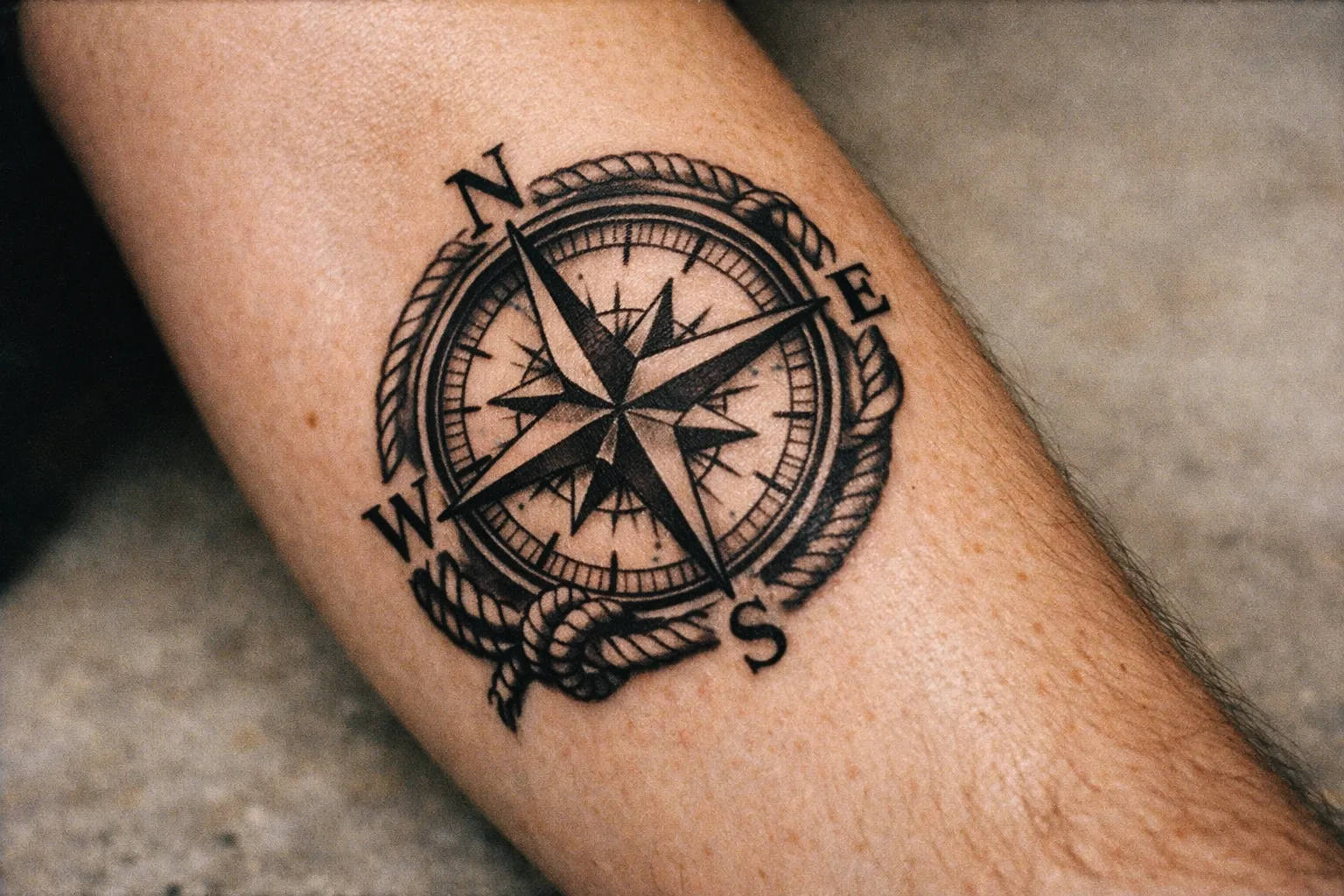
Well-hydrated, calm, intact skin holds ink better and heals in the standard 2-4 week window. Compromised skin extends healing, raises infection risk, and can force a touch-up that should never have been necessary in the first place.
I’ve had clients show up with a fresh sunburn on their forearm, fully expecting to proceed. We had to reschedule. It’s a waste of everyone’s time, and it’s completely avoidable.
Preparing Your Skin: Why It Matters More Than You Think
Good prep is mostly about not sabotaging yourself in the days right before. The night before, drink water and get a full night’s sleep - showing up rested and hydrated does more for how your skin takes the needle than anything you can buy.
Keep the area out of the sun. A fresh tan, and especially a sunburn or peeling, is the fastest way to get your appointment pushed. If you want the surface smooth, a gentle exfoliation a couple of days out is plenty - no harsh scrubs, no acids that leave the skin reactive.
If the spot needs shaving, do it the day before, not the morning of. A razor run over the exact patch you’re about to get tattooed leaves micro-nicks and burn that the needle drags through. Let the skin settle overnight, or just let your artist shave it clean at the shop.
One Week Out: Prepping Your Body and Skin
Treat the week before your appointment as prep time, not the night before.
Step 1: Hydrate From the Inside Out
Start drinking around 64 oz (2 liters) of water per day for the seven days before your appointment. Hydrated skin is more elastic, takes the needle more easily, and bleeds less. Don’t binge-chug water the morning of - that just sends you to the bathroom mid-session. Build the habit across the week.
Add foods with vitamins C and E - citrus, bell peppers, leafy greens, almonds - to support skin resilience (1). Nothing exotic, just eat like you care about your skin for a week.
Step 2: Exfoliate Gently, Two to Three Days Before
Two to three days out, gently exfoliate the area with a soft sugar scrub or a soft brush in the shower (1). You’re removing dead surface skin, not sanding yourself down. Skip this step the day of - fresh micro-irritation is the last thing you want under a needle.
Avoid acids (glycolic, salicylic), retinoids, and harsh physical scrubs in the week leading up. They make skin reactive and patchy, and that shows up immediately once the needle hits.
Step 3: Moisturize Daily - But Not the Day Of
Apply a fragrance-free moisturizer or a natural oil like jojoba to the tattoo area every day for at least the three to seven days before your appointment (3). Then stop. No lotion, no oil, no balm on the area the day of - your artist needs clean, dry skin to disinfect, stencil, and tattoo (2)(3).
Clients who show up with a thick layer of body butter on their arm are not doing themselves any favors. The stencil won’t stick properly and the whole setup takes longer.
Step 4: Stay Out of the Sun
Avoid direct sun and tanning beds for at least one week before your appointment (1). A lot of artists will flat-out refuse to tattoo sunburned or freshly peeling skin and reschedule you - sometimes with the deposit forfeit. If you have to be outside, use a mineral SPF 30+ on the area and cover up with sun-protective clothing.
Skip the spray tan too. It has to be scrubbed off before the artist can work, and it’s messy (4).
Step 5: Avoid Skin Irritants
In the week before:
- No retinoids (tretinoin, retinol)
- No strong acid peels or exfoliating toners
- No alcohol-based toners or heavily fragranced lotions
- No new skincare experiments anywhere near the tattoo area
If you have eczema or psoriasis, get the area into a stable, non-flared state well before booking. A flare on the day of is grounds for the artist to reschedule - and they will.
Step 6: Do Not Shave the Day Of
Let the artist shave the area at the appointment with a fresh disposable razor, or do it yourself 1-2 days prior (1). Shaving right before causes nicks and razor burn that the needle will tear up. I’ve seen clients do this and not mention it, and you can tell immediately once the stencil goes on.
Eating and Drinking Before Your Tattoo Session
Eat a real meal 1-2 hours before your appointment. Non-negotiable, especially for any session over an hour. What to eat before a tattoo: protein plus complex carbs. Eggs and whole-grain toast, chicken and rice, a turkey sandwich, oatmeal with peanut butter. The goal is stable blood sugar so you don’t get lightheaded, nauseous, or shaky two hours in (3).
For sessions over two hours, bring snacks. Granola bars, a banana, nuts, a juice box for fast sugar if you start feeling off. Your artist will give you breaks and they expect you to eat during them. Don’t be the client who white-knuckles through a four-hour session on an empty stomach and then nearly passes out in the chair.
Skip the energy drinks. Heavy caffeine thins the blood and makes you fidgety - two things your artist does not want (4).
Alcohol and Medication: What to Avoid Before Tattooing
No. Can you drink alcohol before getting a tattoo is one of the most-asked questions, and the answer from every reputable shop is the same: no alcohol for at least 24 hours before your appointment (2). Alcohol thins your blood, which means you bleed more during the session. More bleeding means the artist is constantly wiping, ink doesn’t settle as well, and lines can heal patchy.
There’s also a consent issue - many states prohibit tattooing anyone who appears intoxicated, and your artist can legally refuse service and keep your deposit. Showing up hungover is almost as bad: you’re dehydrated, your pain tolerance is shot, and you’ll feel every second of it (2).
I’ve turned away clients for this. It’s not personal, it’s just not a session that’s going to go well for anyone.
Short answer: it’s not a great idea. Can you take ibuprofen before getting a tattoo comes up because people assume it’ll dull the pain. It won’t do much for tattoo pain, and it’s an NSAID - it thins your blood, which means more bleeding during the session (4). One shop puts it plainly: ibuprofen “will thin your blood which could potentially make you harder to tattoo” (4).
Aspirin is the same story - avoid it for at least 24 hours before. Acetaminophen (Tylenol) is usually the safer choice if you genuinely need something for an unrelated ache, because it doesn’t affect blood thinning the same way. If you take a daily blood thinner under doctor’s orders, do not stop it on your own - talk to your prescribing doctor and tell your artist in advance.
Numbing creams are a separate conversation. Some artists dislike them because they change skin texture and can affect how ink takes. If you want to use one, ask your artist first and only use what they approve.
The Day Before and Day Of: Your Prep Checklist
Run through this before getting a tattoo checklist the day before and day of:
24 hours before:
- No alcohol
- No aspirin or ibuprofen
- Sleep at least 7-8 hours
- Drink water, skip the energy drinks
- Confirm appointment time and address
Morning of:
- Shower with a gentle, fragrance-free soap (an unscented pure-castile soap is a common artist recommendation )
- Eat a real meal with protein and carbs 1-2 hours before
- No lotion, oil, or makeup on the tattoo area
- Wear loose, practical clothes that give access to the area and that you don’t mind getting ink on
Bring with you:
- Valid government photo ID (driver’s license, state ID, or passport) - required by nearly every U.S. shop for age verification (2)
- Cash for the tip (many artists prefer cash even if you pay the shop by card)
- Reference images, printed or on a charged phone
- Water bottle
- Snacks for sessions over two hours
- Headphones or a book
- A sweatshirt or layer - you will get cold sitting still for hours (4)
The sweatshirt is the one people always forget. Shops keep the AC running, you’re not moving, and by hour two you’re shivering. Bring a layer.
What Not to Do Before Getting a Tattoo: Avoid These Common Mistakes
A clean what not to do before getting a tattoo list, ranked by how badly it’ll affect your session:
- Don’t drink the night before. A hangover plus a needle is brutal.
- Don’t take NSAIDs (ibuprofen, aspirin) within 24 hours.
- Don’t sunburn the area - your artist will reschedule you (2).
- Don’t shave right before the appointment (1).
- Don’t skip the meal. Low blood sugar plus pain equals fainting.
- Don’t load up on caffeine or energy drinks - they thin blood and make you fidgety (4).
- Don’t apply numbing cream without your artist’s approval.
- Don’t bring a crowd. Most shops allow one guest, some allow none.
- Don’t change the design at the chair. Send final references at least 3-7 days before.
- Don’t show up sick. Reschedule - most shops have a no-sick policy now and will appreciate it.
What Annoys Tattoo Artists: Common Client Pitfalls to Avoid
Nobody tells you this part, and it matters because your artist is a person stuck within six inches of your skin for hours. Things consistently flagged by shops as the worst client behavior:
- Showing up late or no-show. Late blows up the schedule. No-show means they don’t get paid for that slot.
- Bad hygiene. Shower the morning of. Skip the heavy perfume or cologne - they have to breathe near you for hours.
- Last-minute design changes. Redrawing a stencil because you decided you want it bigger, smaller, or flipped while you’re already in the chair is the fastest way to frustrate your artist.
- Touching the tattoo area while they’re working, or constantly checking your phone in their line of sight.
- Bringing an entourage. One supportive friend, max. Three loud friends is a no.
- Haggling on price after agreeing to a quote, or stiffing the tip.
- Coming in hungover or visibly impaired.
- Fidgeting, talking nonstop during detail work, or asking “are you almost done?” every ten minutes.
The fix is simple: arrive on time, clean, fed, sober, with your references locked in.
Is $50 a Good Tip for a $200 Tattoo?
Yes - $50 on a $200 tattoo is a 25% tip, which is on the high end of normal and considered a strong tip in most U.S. shops. Industry-standard tipping runs 15-25% of the price, similar to a nice restaurant. On a $200 piece:
- 15% = $30 (acceptable)
- 20% = $40 (good)
- 25% = $50 (great)
Tips are usually expected in cash even if you paid the shop by card, because card tips often get taxed and split through the shop register. If your artist did exceptional work, came in under their quoted time, or fit you in last minute, tip toward the top of the range or above.
For large pieces - a half-day at $600 or a full sleeve session at $1,500 - the percentage stays roughly the same. Budget for the tip before you book, not after you see the final number.
Budgeting and Logistics for Your Tattoo Appointment
Realistic numbers for a U.S. tattoo in 2026:
- Shop minimum: $80-$120 for the smallest possible piece
- Hourly rate for experienced artists: $150-$250/hr
- High-demand specialists (portrait, hyperrealism, well-known names): $300+/hr
- First small tattoo total: $100-$300 including tip
- Half-day session (3-4 hours) at $200/hr: $600-$800 + $90-$200 tip
- Aftercare supplies: $10-$40 (fragrance-free lotion, gentle soap, second-skin film if your artist uses it)
Book popular artists 2-6 weeks out. The most in-demand ones run 3-6+ month waitlists. Don’t expect to walk in for a custom piece on a Saturday. See our guide on how to choose a tattoo artist for tips on booking and deposits.
Placement, Pain, and What to Expect During Your Tattoo Session
Pain depends on placement more than anything else. As a relative scale: ribcage, sternum, spine, and ankle bone are significantly harder to sit through than the inner bicep, neck, and behind the knee, which in turn are rougher than the forearm, outer thigh, calf, and outer shoulder. The forearm is one of the easier first-tattoo spots - flat, fleshy, easy to sit through, and it ages well. The ribs and feet are the opposite. For a first tattoo, pick somewhere forgiving. Learn more about forearm tattoos and their pain and aging characteristics.
Size and session length are directly tied. A small linework piece under 2 inches typically takes 30-60 minutes. A palm-size shaded piece runs 2-4 hours. Half sleeves and back pieces are multi-session projects at 3-6 hours each.
If you menstruate, many people report higher pain sensitivity in the first 1-2 days of their cycle. If you have flexibility in your schedule, book outside that window.
After Your Appointment: A Preview of Aftercare
This article is about prep, but prep includes knowing what you’re committing to after. Standard healing timeline:
- Day 1-3: Wrapped or covered with a second-skin film. Oozing plasma and ink is normal. Gentle wash 2x/day with fragrance-free soap.
- Week 1: Tight, sore, possibly scabbing lightly. Fragrance-free moisturizer in thin layers. No swimming, no soaking, no gym.
- Week 2-4: Itchy, flaky peeling phase. Do not pick. Keep moisturized. Still no pools, hot tubs, saunas, or direct sun.
- Month 2+: Surface healed. The deeper dermis takes up to 3-6 months to fully settle. SPF 30+ on the tattoo any time it sees sun - this is the single biggest factor in how the piece looks in ten years.
Plan your two weeks post-tattoo before you book. If you have a beach trip, a triathlon, or a wedding where you’ll be sweating in a tight dress, push the appointment. For detailed guidance, see our tattoo aftercare article.
Maintaining Skin Readiness If Your Appointment Gets Pushed
Artists cancel. You get sick. Things happen. If your appointment gets pushed by a few weeks, keep the routine going: daily hydration, daily fragrance-free moisturizer (not the day of, when it’s finally rescheduled), strict sun protection on the area, no harsh actives. The week-of rules just reset to the new date.
If it gets pushed by months and you go through summer in the meantime, be honest with yourself about sun exposure. A tan line or peeling skin will sabotage the work no matter how well-prepped you were originally.
The Real Bottom Line on Tattoo Prep
Treat the appointment like a small medical procedure with a creative deliverable. Hydrate for a week. Eat before you go. Skip the alcohol and ibuprofen. Don’t shave the day of. Show up clean, on time, with your ID, your references, your tip in cash, and a snack.
Tell your artist about any medications and any skin conditions. Trust their judgment on placement and stencil position before you sit down, not after.
Do that, and your artist will give you their best work. Skip it, and you’ll find out what a stressed-out artist working on irritated skin actually produces.
Frequently Asked Questions
- Can I drink coffee before my tattoo session?
- While moderate caffeine isn't strictly forbidden, heavy caffeine or energy drinks are best avoided because they thin your blood and increase fidgetiness, which can make the session harder for both you and the artist.
- What if I forget to hydrate the week before?
- Hydration is cumulative. Missing a day or two isn't the end of the world, but starting hydration only the morning of won't help much. If you forget, drink plenty of water the day before and morning of, but expect the session might be a bit tougher.
- Is it okay to use numbing cream without telling my artist?
- No. Many artists dislike numbing creams because they alter skin texture and ink uptake. Always ask your artist first and only use approved products to avoid complications.
- Can I bring my friends to the tattoo appointment?
- Most shops allow only one guest, and some allow none. Bringing a crowd is generally discouraged as it can disrupt the artist's focus and the session's flow.
- What if I get sick right before my appointment?
- It's best to reschedule. Most shops have a no-sick policy to protect both clients and artists. Showing up sick can also affect your healing and the quality of the tattoo.
- How long should I wait after sunburn before getting tattooed?
- You should wait until your skin is fully healed and no longer peeling, which can take at least a week. Tattooing over sunburned or peeling skin risks poor ink retention and infection.
- Can I take my prescribed blood thinners before a tattoo?
- Do not stop prescribed blood thinners on your own. Inform your artist and consult your doctor before your appointment to manage any risks.