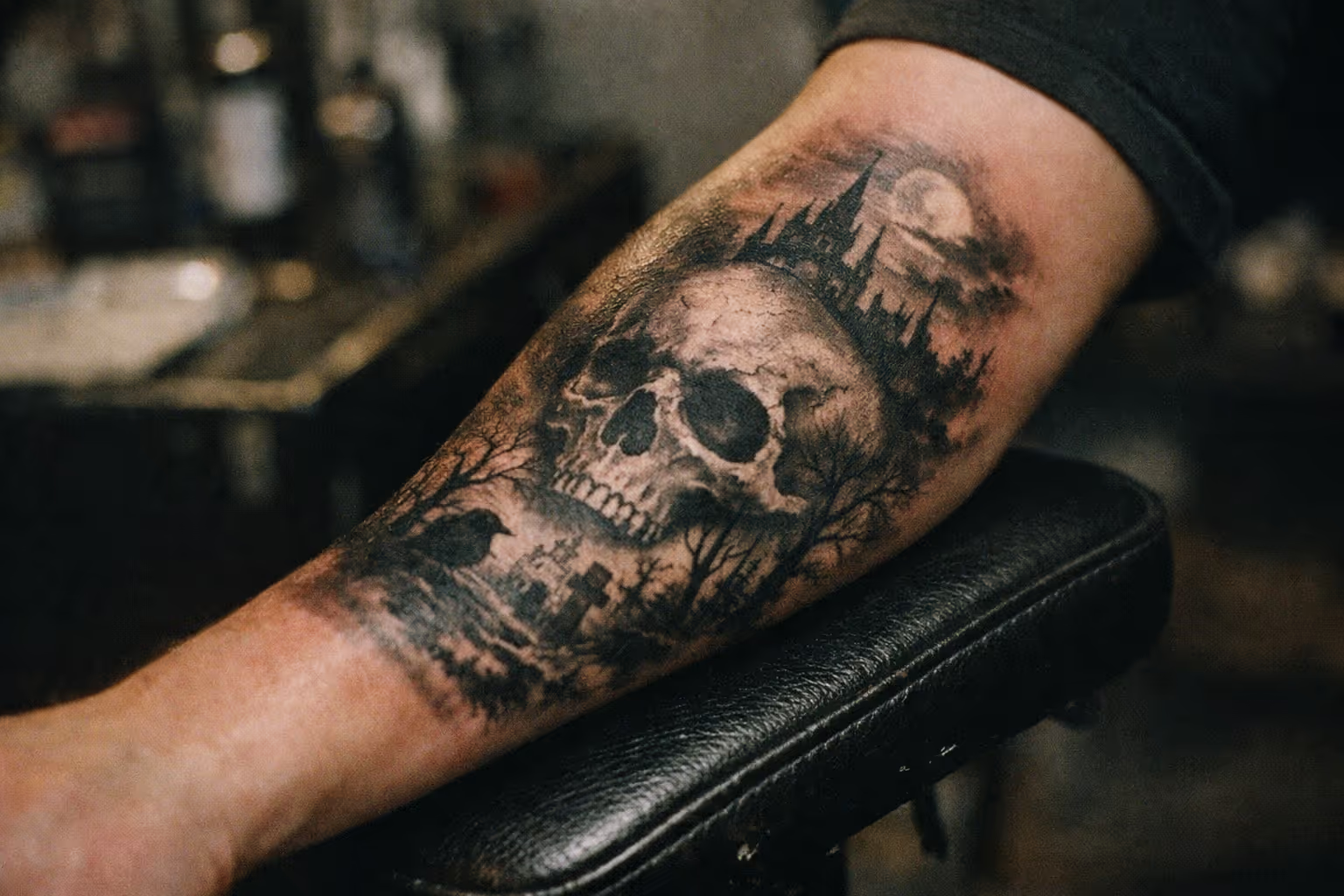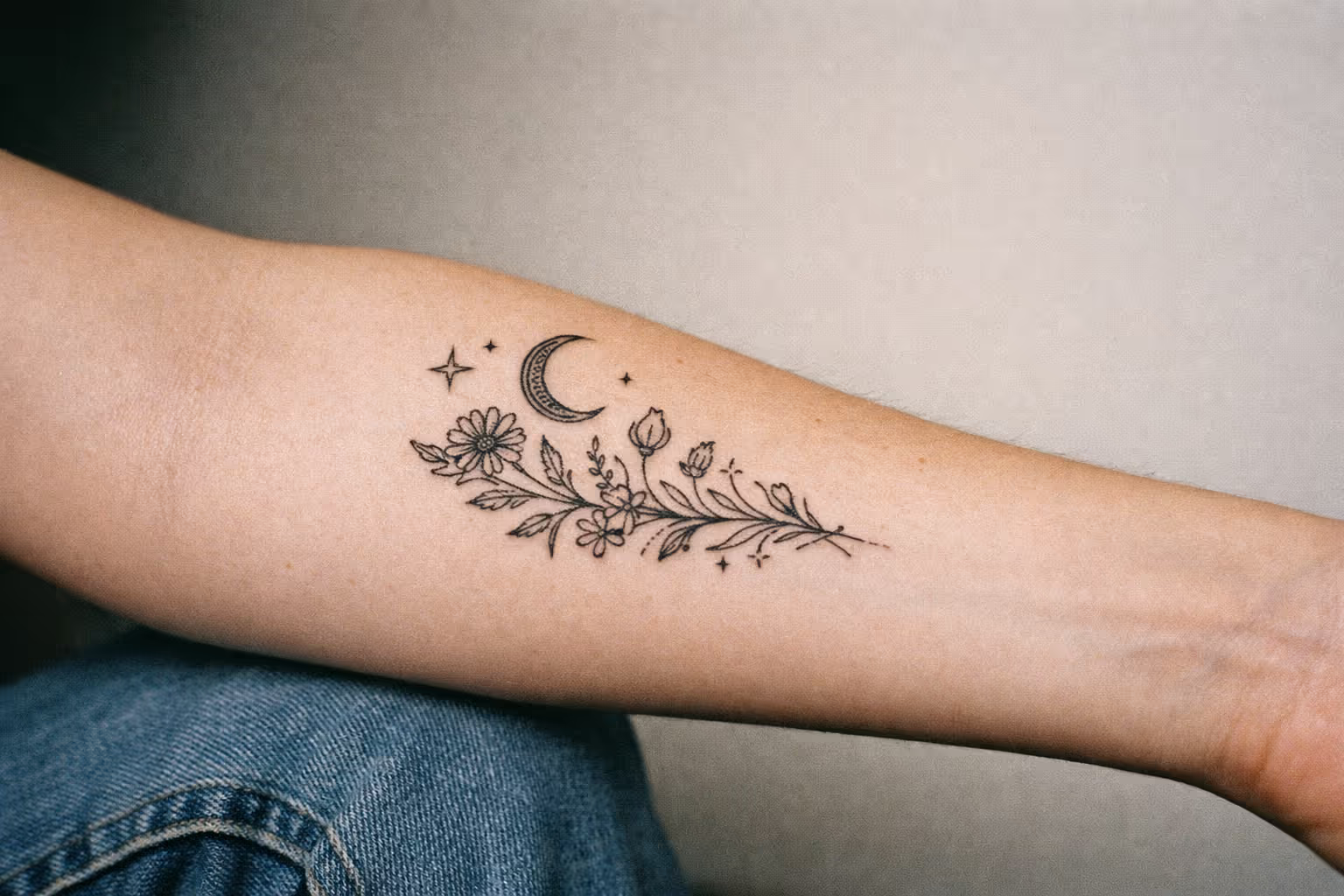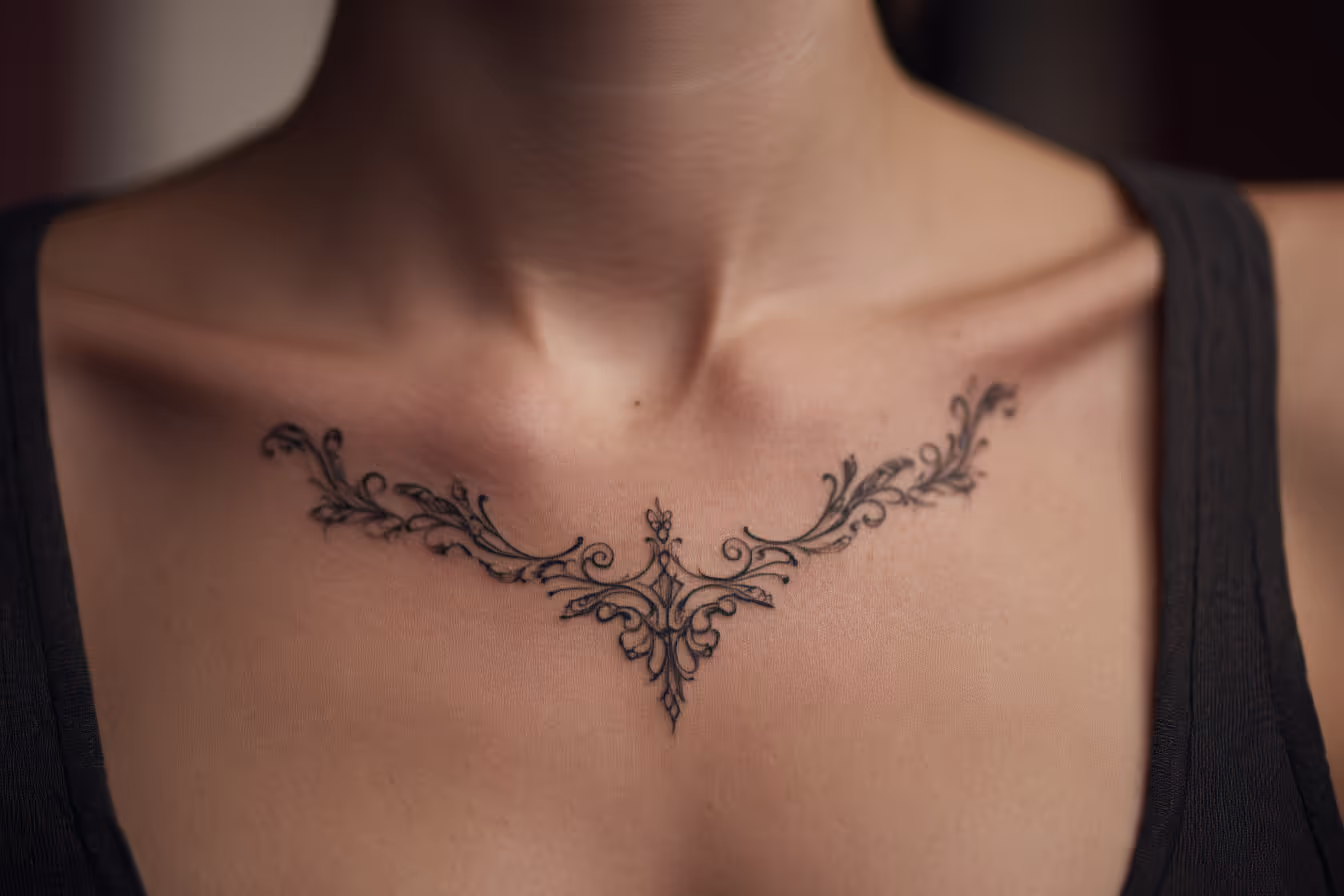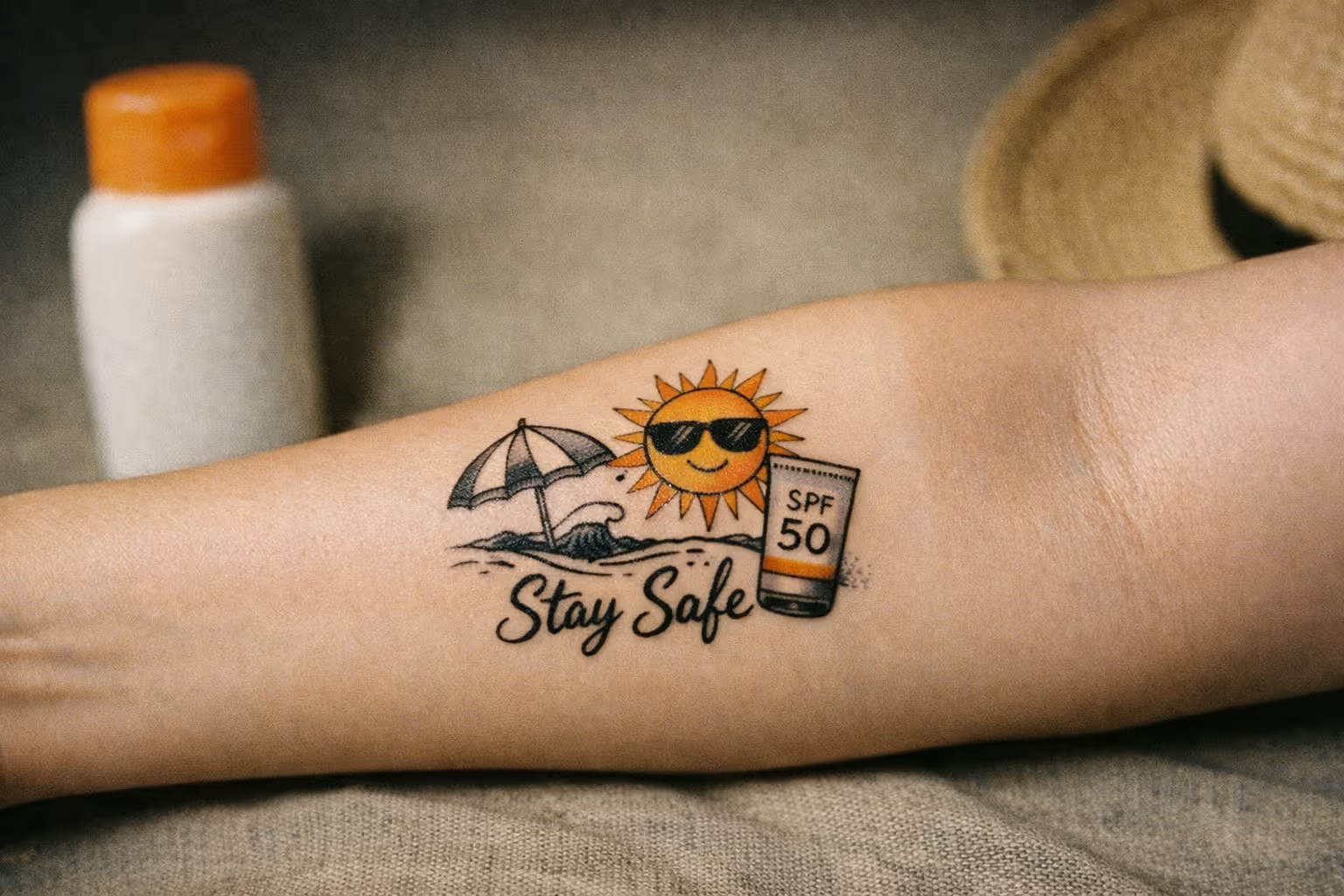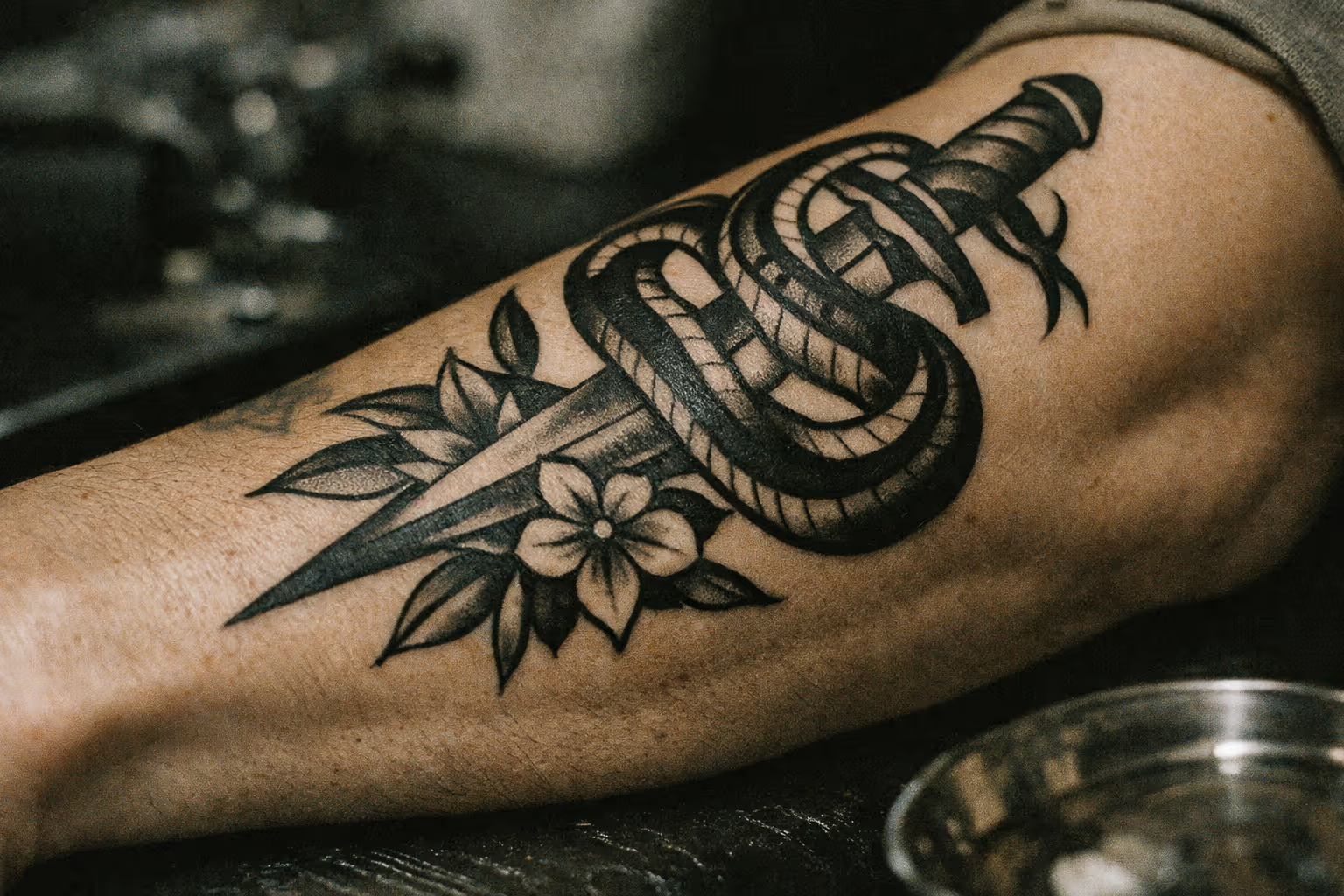
Not all tattoo spots hurt the same, and the gap is bigger than most people brace for: the ribs and sternum land around 8-9 out of 10, while the outer arm barely registers at 2-4. Where you put a tattoo matters as much for the pain as the design does - and prep and session length swing it further. Here’s the tattoo pain scale mapped by placement, so you can choose your first (or next) spot with your eyes open.
How the Tattoo Pain Scale Works
Understanding the tattoo pain scale helps you anticipate what to expect during your session. A tattoo machine pushes a cluster of needles into your skin somewhere between 50 and 3,000 times per minute, depositing ink 1-2 mm down into the dermis. Your nerves register that as a combination of sharp puncture and low burn, and your skin responds with localized inflammation. That’s the mechanism. The intensity depends on what’s under the needle.
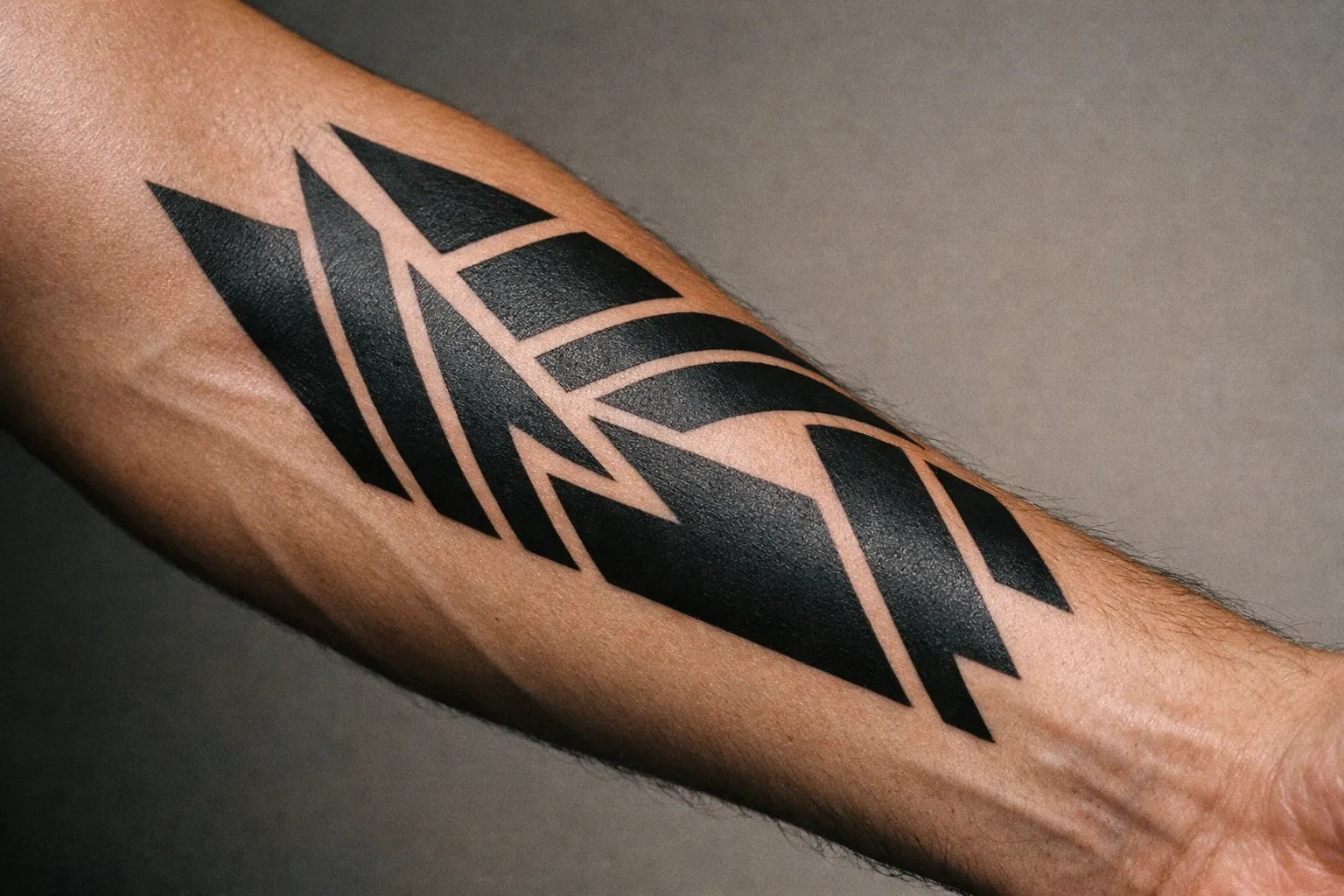
Most tattoo pain charts break placements into four tiers:
- Low (2-4/10): outer upper arm, outer shoulder, outer thigh, calves, forearms (2)(3)
- Moderate (4-6/10): biceps, upper back away from the spine, lower back, buttocks, shins, outer chest (2)(3)
- High (6-8/10): ribs, spine, hands, fingers, feet, knees, neck (1)(2)(3)
- Extreme (8-10/10): armpits, inner thighs, sternum, head, face, genitals, stomach (1)(2)
The pattern is consistent: fleshy areas with more fat or muscle and fewer nerve endings hurt less. Thin skin stretched over bone, or skin dense with nerve endings, hurts more. That’s the entire logic of the tattoo pain scale - everything else is individual variation.
How Painful Is a Tattoo on a Scale of 1-10?
For an average placement - outer forearm, calf, upper outer back - most clients report somewhere in the 3-6/10 range during the session (2)(3). It’s noticeable, sometimes annoying, but you can hold a conversation through it. I’ve had clients fall asleep on the outer thigh. I’ve also had clients tap out after 45 minutes on the ribs.
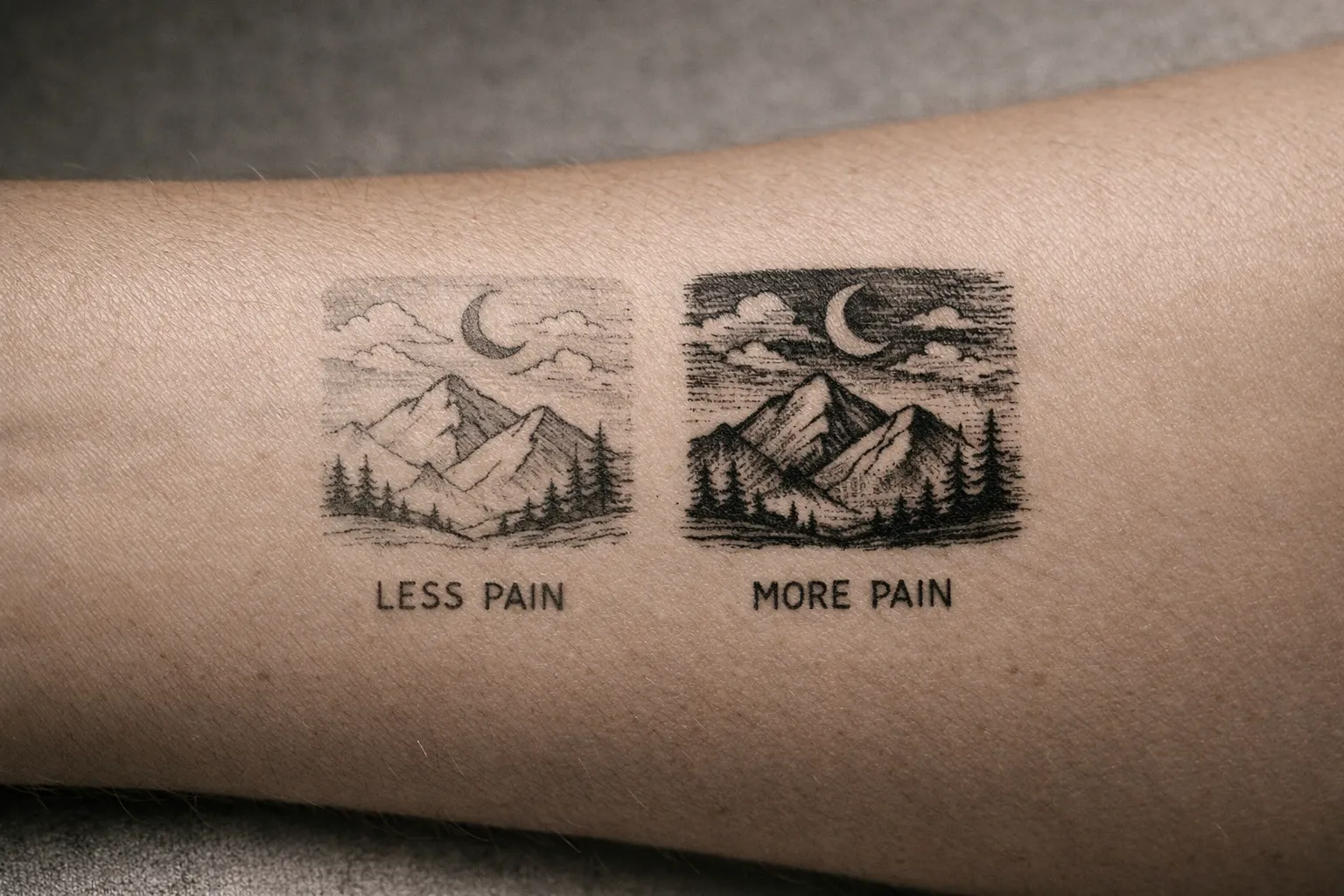
For sensitive placements - ribs, spine, sternum, feet, armpits - reports cluster in the 7-9/10 range, and long sessions in those areas push some people past their tolerance (1)(2). That’s where breaks, numbing, and splitting the work across sittings stop being optional.
Three modifiers shift the number significantly:
- Session length. Pain usually ramps up after 2-3 hours as inflammation builds and your endorphin response tapers off (2)(3). The last hour of a four-hour session almost always rates higher than the first.
- Technique. Solid color packing and heavy shading run roughly 1-2 points higher than linework in the same spot, because the artist is passing over the same skin more times (2)(3).
- You. Sleep, hydration, blood sugar, anxiety, and prior tattoo experience all move the dial. The same rib piece can read as 6/10 on a good day and 9/10 on a hungover one.
What Pain Is a Tattoo Equivalent to?
The honest comparison most artists give: it feels like a hot cat scratch dragged repeatedly across a sunburn (4). Other common analogies:
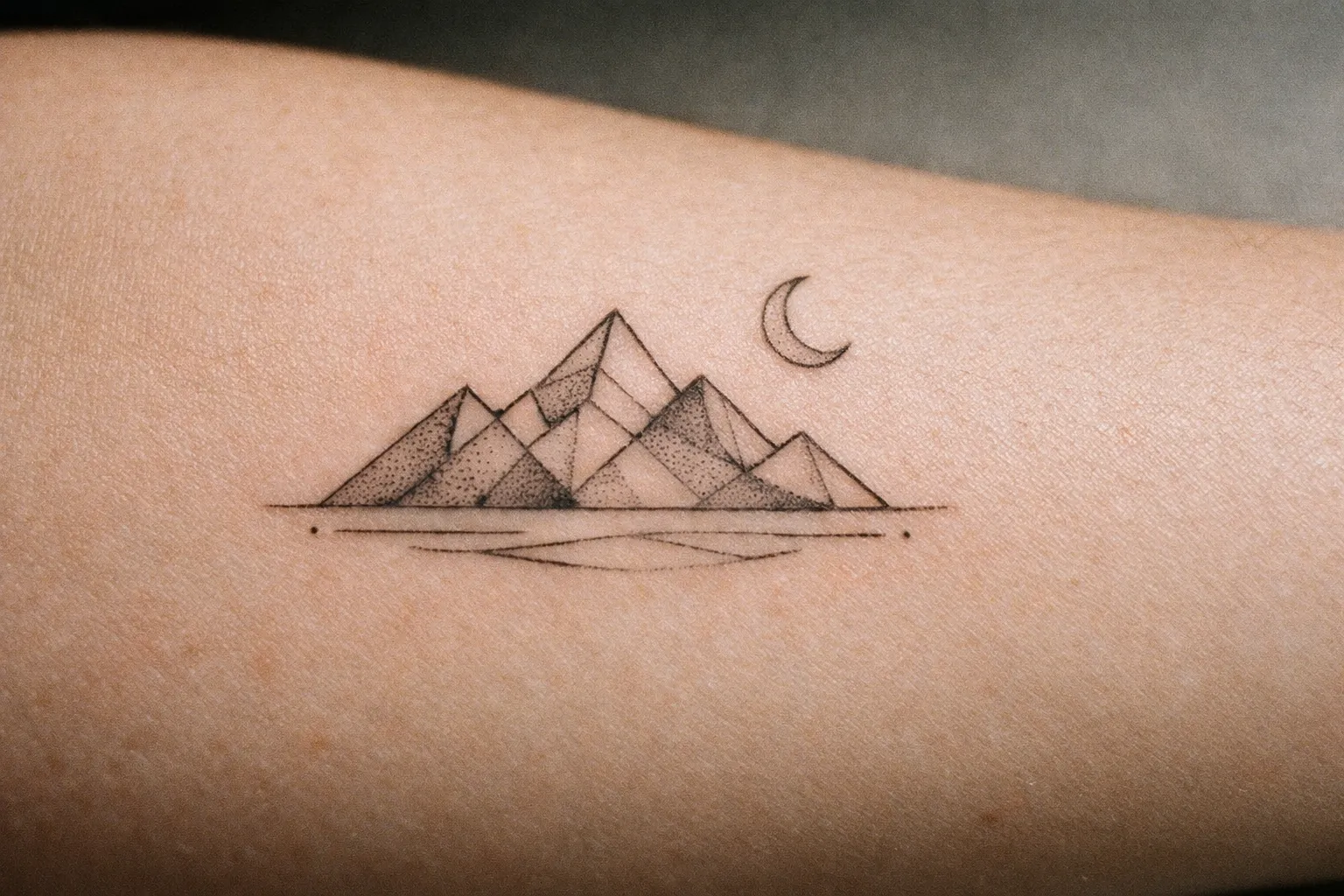
- Being snapped with a rubber band, again and again, in the same spot (4).
- A sharp, persistent stinging - closer to a bee sting that doesn’t stop than a stabbing pain.
- During shading or color packing, the sharp sting flattens into a dull burn or a vibrating ache.
Medically, it’s acute nociceptive pain from repeated shallow puncture plus local inflammation. It’s not the kind of pain that signals damage - your body knows the difference - which is part of why most people tolerate it better than they expect going in.
There are also different types of pain you’ll feel within a single session:
- Sharp/stinging pain - fine linework, especially on thin skin. Feels like a scratch.
- Burning pain - long shading passes over an area the artist has already worked. The skin is irritated and reactive.
- Dull/background pain - the cumulative ache after a couple of hours. The specific spot might not hurt much, but everything is tender.
- Vibrating pain - when the machine works over bone (sternum, shin, ankle, skull). It travels through the bone and is genuinely hard to ignore.
Most Painful Places to Get a Tattoo
The spots that consistently top every pain chart published by tattoo studios and medical sources are no surprise after 12 years of watching clients sit through them (1)(2)(3):
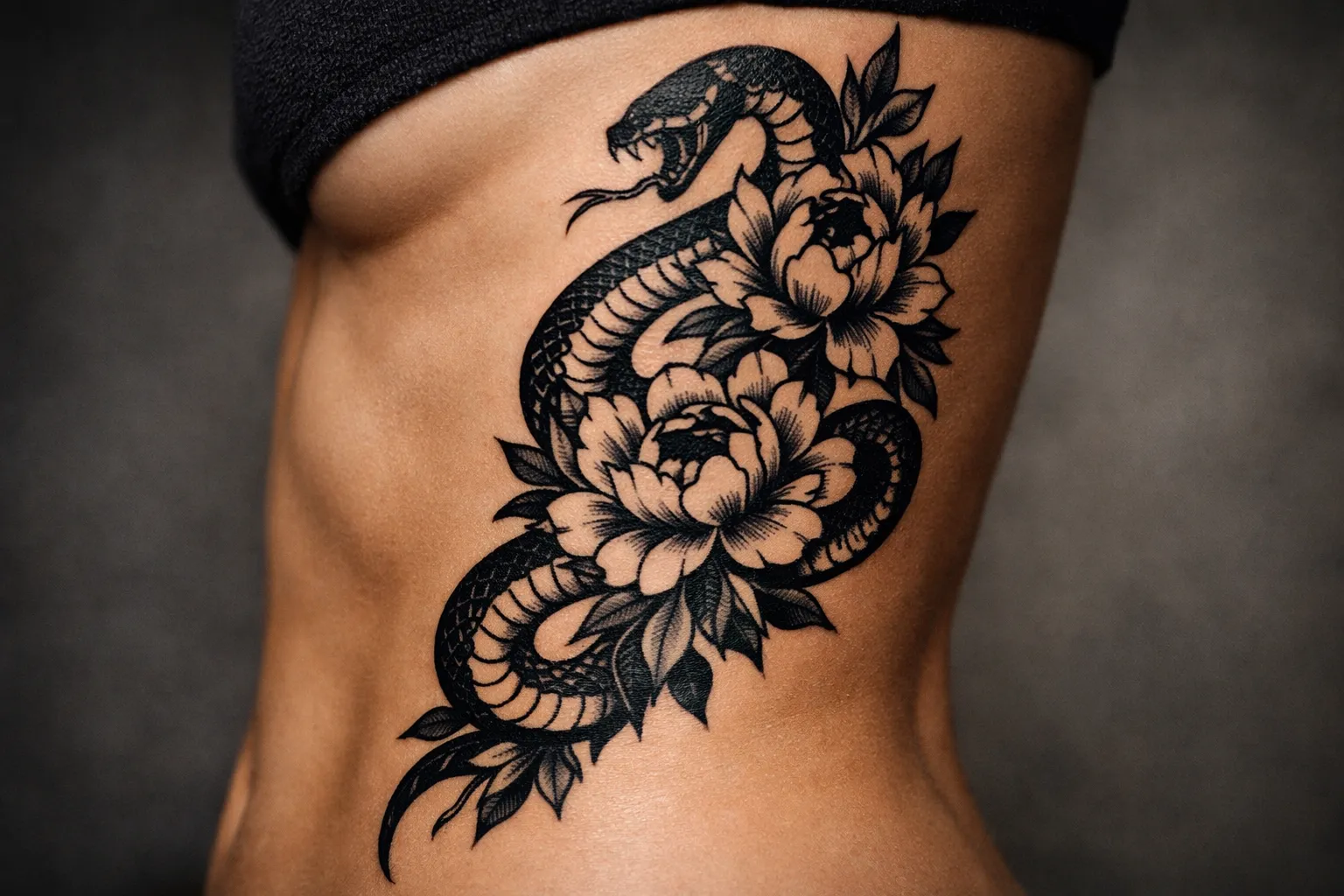
- Ribs and ribcage. Thin skin, no padding, and the rise and fall of breathing means the needle hits a moving target. Long rib sessions are routinely rated 8-9/10. Ribcage is significantly worse than forearm - there’s no comparison.
- Sternum and center chest. Bone right under the skin. The vibration travels and doesn’t let up.
- Spine. Bone, nerves, and an involuntary flinch reflex when something runs down your back. Clients who think they’ll be fine often aren’t.
- Armpit. Generally regarded as the worst placement on the body - dense nerve clusters, lymph nodes, thin skin. Some artists won’t tattoo it for new clients, and I’m one of them.
- Hands, fingers, feet, toes. Constant nerve density, almost no fat, and these tattoos also fade faster because of how often the skin sheds.
- Head, face, neck. Thin skin over bone, plus a dense nerve supply. Not a starter placement.
- Inner thigh and groin. High nerve density, soft tissue that doesn’t take the needle cleanly.
- Stomach. Skin moves a lot, and the abdominal area is more reactive than people expect.
If it’s your first tattoo, none of these are a reasonable starting point. Not because you can’t handle it, but because you don’t yet know your own pain pattern - and there’s no reason to find that out on a rib piece.
Least Painful Places to Get a Tattoo
The spots that consistently rank lowest share three traits: more fat or muscle, fewer nerve endings, and not directly over bone (2)(3)(5):
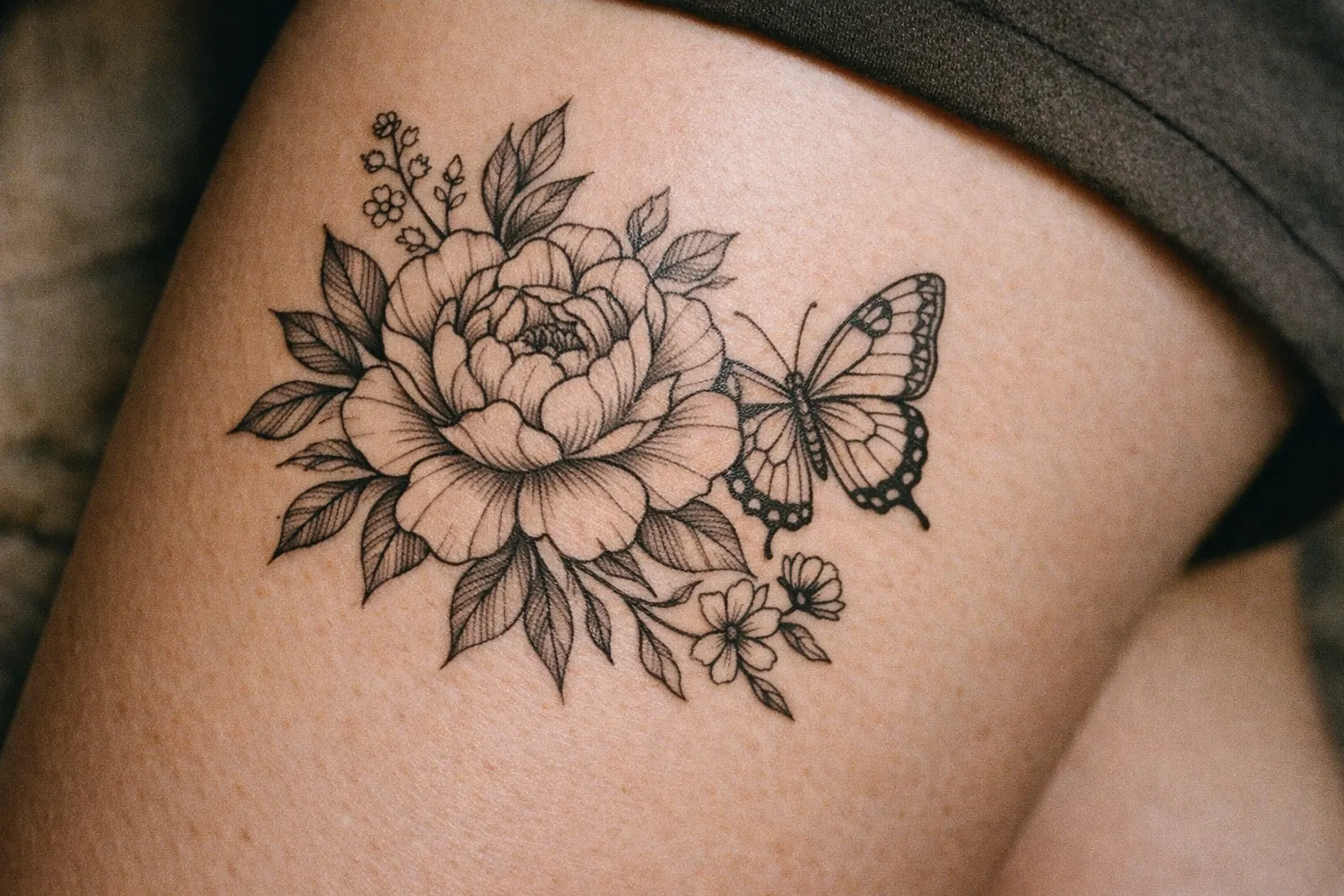
- Outer upper arm. Often the lowest-pain spot on the body. Good for first tattoos, and it holds linework well long-term.
- Outer shoulder (deltoid cap). Muscular, predictable, easy to sit through.
- Forearm (outer side). Low to moderate pain. The inner forearm gets sharper closer to the wrist because of the flexor tendons and nerves running through (2)(3). See more about Forearm Tattoos: Design, Pain, Cost and Aging Guide.
- Outer thigh. Lots of muscle, low nerve density. You can sit for hours here.
- Calves. Moderate at worst for most people. The back of the calf is fleshy enough to be very tolerable.
- Upper outer back, away from the spine and shoulder blade edge. A surprisingly comfortable spot for larger pieces.
These placements also tend to age well - outer arm, outer thigh, and calf hold linework and color longer than hands, feet, or fingers, which see more friction and sun exposure. That’s worth factoring in before you commit to a placement purely on aesthetics.
Factors That Change Your Pain Level
Two people can get the same tattoo in the same spot and walk away rating it three points apart. I’ve watched it happen dozens of times. The variables that matter most:
- Sleep. Seven to eight hours the night before lowers perceived pain measurably (3). One bad night isn’t the end of the world; a week of bad sleep is.
- Hydration. Hydrate for 48-72 hours before, not just the morning of (3). Hydrated skin takes ink in fewer passes, which means less time under the needle.
- Food. Eat a full meal 2-3 hours before. Low blood sugar mid-session is the most common cause of fainting and exaggerated pain perception (2)(3).
- Alcohol. Skip it for 24 hours pre-session. It thins your blood, smears the stencil, and makes everything bleed more (3).
- NSAIDs. Avoid aspirin and ibuprofen for 24 hours before - they also thin blood (3). Acetaminophen is generally safer if you need something, but check with your doctor.
- Anxiety. Anticipation amplifies pain. The first ten minutes are almost always worse than the next two hours because your nervous system is bracing for it.
- Body composition. More subcutaneous fat in an area generally means lower pain. Thin skin over bone is the worst combination.
- Sex hormones and cycle. Many people report higher pain sensitivity in the days right before menstruation. If you have flexibility on scheduling, factor it in.
- Prior tattoos. Pain tolerance is partially learned. Your fifth tattoo on the same spot will feel like less than your first did.
How to Manage Pain Before, During, and After
Before the session
- Sleep 7-8 hours the night before (3).
- Hydrate for 2-3 days, not just the morning of (3).
- Eat a full meal within 2-3 hours of your appointment (2)(3).
- Skip alcohol for 24 hours (3).
- Skip blood-thinning NSAIDs for 24 hours unless prescribed (3).
- Moisturize the area daily for the week prior. Flaky skin tears more easily and takes more passes.
- Wear loose clothing that exposes the area without rubbing it.
Numbing creams
Topical anesthetics with 4-5% lidocaine can dull pain for 1-2 hours when applied correctly (2)(4). A typical OTC tube runs $15-$40 for 1-2 oz, and some studios charge a $20-$60 application fee if they apply it for you (2).
A few things worth knowing before you go that route:
- Ask your artist first. Some won’t tattoo over numbing cream because it can change skin texture and how the skin absorbs ink.
- Apply 30-60 minutes before, wrapped in plastic, exactly as the product directs. Over-application or leaving it on too long can cause irritation and actually make tattooing harder.
- Numbing cream wears off. For a 4-hour session, it covers the first hour or two - the worst part for sensitive areas - and then you’re back to baseline.
- Best use case: ribs, sternum, feet, armpit, or any placement in the high/extreme tier.
During the session
- Breathe deliberately. Inhale for 4 seconds, exhale for 6-8 (3). Slow exhales actually dampen the pain response - this isn’t just a distraction technique.
- Ask for micro-breaks. A 1-3 minute break every 30-45 minutes, before you hit your limit, is far more effective than one big break after you’ve already tapped out (3).
- Eat sugar. A juice or candy at the 2-hour mark prevents the blood-sugar crash that magnifies pain and anxiety.
- Don’t bring an audience. One support person is fine. Three friends talking over the artist makes everyone tense and the lines worse.
- Tell your artist. “I need a minute” is a completely normal sentence in a tattoo shop. Flinching without warning, or white-knuckling through pain you can’t actually handle, is what produces shaky lines.
After the session
The pain doesn’t stop when the machine does. Here’s what to expect:
- Day 1-3: Sharp tenderness, swelling, and a fresh-sunburn feeling. Keep it wrapped per your artist’s instructions (often 2-24 hours, longer with Saniderm-type films - up to 3-5 days). Wash gently with fragrance-free soap, pat dry, apply a thin layer of fragrance-free moisturizer or tattoo balm. See detailed Tattoo Aftercare: Week-by-Week Healing Rules.
- Week 1: Soreness fades. Itching starts. Do not scratch, do not pick. Keep moisturizing 2-3 times a day with a fragrance-free product. Avoid soaking - no baths, pools, or ocean.
- Week 2-3: The tattoo peels and flakes like a sunburn. This is normal. Colors may look dull underneath; they come back by week 3-4, when it looks healed on the surface. Keep it out of direct sun, or cover with sun-protective clothing. UV exposure on a healing tattoo causes blowouts and color loss.
- Beyond: Daily sunscreen (SPF 30+) on the healed tattoo, indefinitely. Sun is what ages a tattoo faster than anything else.
If a tattoo gets significantly more painful after day 3, develops red streaks, oozes yellow or green fluid, or you spike a fever, that’s a possible infection. See a doctor.
Session Length and Pain Management Strategy
How you structure the work matters as much as where it’s placed.
- Small linework (2-3 in / 5-7 cm): 30-60 minutes. Usually manageable without breaks (2).
- Medium piece (half-forearm, upper arm band): 1.5-3 hours. One short break is normal (2).
- Large piece (backpiece, thigh panel, sleeve section): 3-8 hours per session, often across multiple sittings spaced weeks apart (2).
Pricing in the U.S. typically runs $100-$250 per hour with a shop minimum of $80-$150, which means a multi-session approach has real financial weight on top of the pain calculus.
Two strategies for large work:
- Multiple shorter sessions (2-4 hours each). Easier on your body, lower peak pain, better-quality work in the back half because neither you nor the artist is exhausted. Downside: more total appointments, more healing windows to manage.
- Marathon sessions (6-8 hours). Cheaper per square inch and gets it done faster. Only viable for low-to-moderate pain placements and high tolerance. Don’t book one of these for your first tattoo, and definitely don’t book one on the ribs.
For ribs, sternum, spine, and other extreme-tier placements, I’d plan on 2-3 hour blocks maximum. Work quality drops sharply once you’re flinching, and no artist can compensate for that entirely.
What Annoys Tattoo Artists the Most
Most of what frustrates artists ties directly back to pain, quality, and safety:
- Showing up hungover or drunk. Thinner blood, blurred stencil, more bleeding, more pain, worse healing (3).
- Ignoring prep instructions. Came in dehydrated, skipped breakfast, took ibuprofen that morning - now the session is harder and you’re going to rate it 9/10 and assume it was the placement.
- Late arrivals. Throws off the day, compresses the session, raises tension.
- Dramatic flinching with no warning. The artist can pause if you say something. They can’t pause mid-line if you jerk unexpectedly.
- Negotiating the price after the consult. Pricing is set. Renegotiating mid-appointment is the fastest way to a stiff session.
- Bringing a group. One support person, fine. A party makes it harder to concentrate and harder for you to manage your own pain.
- Asking for designs the artist doesn’t do. A traditional artist isn’t going to execute your single-needle micro-realism well. Look at portfolios before you book.
- Touching the work mid-session, or the tools, ever. Sterility matters.
- Picking at the scab. Not during the session, obviously - but it ruins the result and makes the artist watch their work fall apart during healing.
The pattern is consistent: most of these frustrations boil down to clients making the artist’s job - and their own pain - harder than it needs to be.
Common Mistakes That Make Tattoos Hurt More
- Choosing an extreme-tier spot for a first tattoo. Ribs are not a starter placement, no matter how good the design looks there (1)(2)(3).
- Showing up unprepared. Empty stomach, hangover, dehydration - all of these stack the pain (3).
- Wrong painkillers. Aspirin and ibuprofen thin blood and worsen bleeding (3).
- DIY numbing-cream overuse. Thick layers, off-label products, or wrapping too tight irritates skin and makes the tattoo harder to execute - and more painful when it wears off (2)(4).
- Not speaking up. Sitting in silence at 9/10 produces involuntary movement and ruined lines (2)(3).
- Skipping aftercare. An infected tattoo is much more painful than a fresh one, and may need antibiotics.
- Hiding medications or conditions. Blood thinners, diabetes, immune issues - your artist needs to know before the needle touches your skin.
Frequently Asked Questions
- How painful is a tattoo on a scale of 1-10?
- Average placements (outer arm, forearm, calf, upper back) run 3-6/10 for most people. Sensitive placements (ribs, spine, sternum, feet, armpits) run 7-9/10 and can push higher in long sessions. Personal factors like sleep, hydration, anxiety, and prior tattoo experience can shift the pain rating by 1-2 points.
- What pain is a tattoo equivalent to?
- The most common comparison is a hot cat scratch dragged repeatedly across a sunburn. Other analogies include a continuous rubber band snap, a persistent bee sting, or during shading, a dull burning ache. It's acute, surface-level pain recognized by the body as non-damaging, which helps with tolerance.
- What annoys tattoo artists the most?
- Common frustrations include showing up late or hungover, ignoring prep instructions, flinching without warning, haggling prices mid-session, bringing groups, touching the work or tools, and picking scabs during healing. These affect work quality and pain management.
- Do numbing creams actually work?
- Yes, for 1-2 hours when applied correctly with 4-5% lidocaine. They cover the worst initial pain in sensitive areas but wear off after. Always ask your artist first as some prefer not to use them due to ink absorption changes.
- Where does a tattoo hurt the least?
- Outer upper arm, outer shoulder, outer thigh, calves, and outer forearm consistently rank as the least painful spots. These are good choices for first tattoos.
- Where does a tattoo hurt the most?
- Armpit, sternum, ribs, spine, hands and fingers, feet and toes, head, face, and genitals are the most painful placements. None are recommended for first tattoos.
What Actually Matters When You’re Planning This
Tattoos hurt less than you’re picturing in most placements, and more than you’re picturing in a few. The tattoo pain scale isn’t there to scare you off - it’s a planning tool. Match the placement to your tolerance, the session length to your recovery capacity, and your prep to the actual demands of the spot you’ve chosen.
Sleep. Hydrate. Eat. Skip the alcohol and the ibuprofen. Tell your artist when you need a break - that’s not weakness, it’s how you get clean lines instead of shaky ones. Aftercare matters more than most first-timers expect, and skipping it is how a straightforward piece becomes a problem.
If it’s your first tattoo, the outer upper arm or outer thigh exists for exactly this reason. Start there, find out what your own 5/10 actually feels like, and then decide whether the ribs are worth it next time. They might be. But at least you’ll know what you’re comparing it to.