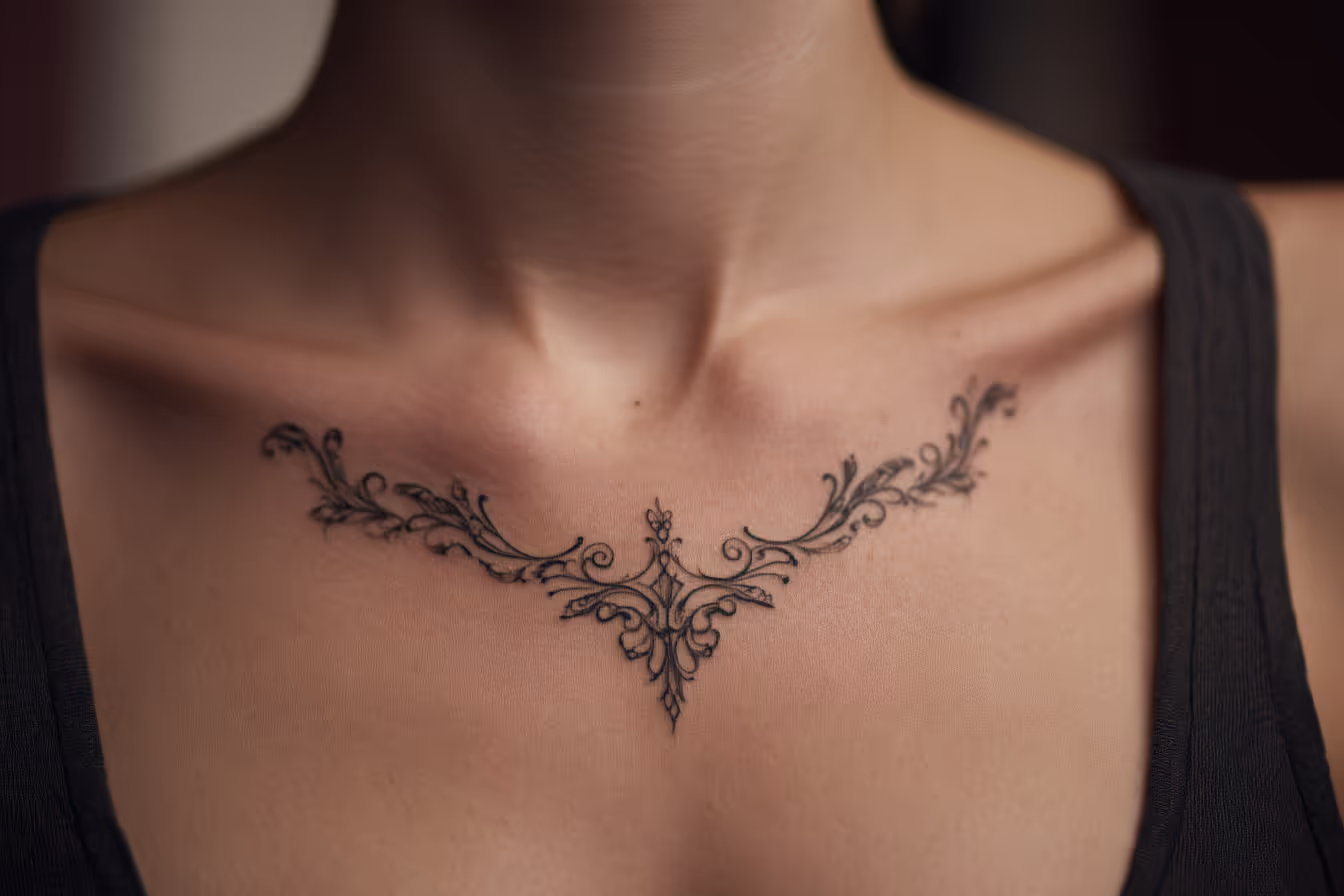
A sternum tattoo is one of the most-requested placements and one of the least-planned-for. Beyond the pain (it rivals the ribs), it lands in a zone that fights you during healing - bra bands, friction, sweat. The design is the easy part; the logistics are where it goes wrong. Here’s the sizing, the healing plan, and what to sort out before you book.
What Counts as a Sternum Tattoo
A sternum tattoo sits on the breastbone, running from the base of the throat down toward the solar plexus, often curving out under the breasts. It’s one of the higher-pain placements on the body and one of the most photographed - a flat panel of skin stretched over bone reads well for ornamental, floral, and symmetrical work. This guide covers what to expect from the pain, which sternum tattoo designs hold up over time, healing realities, and a few things most articles skip: bra logistics during healing, and how a sternum tattoo ages when your body changes.
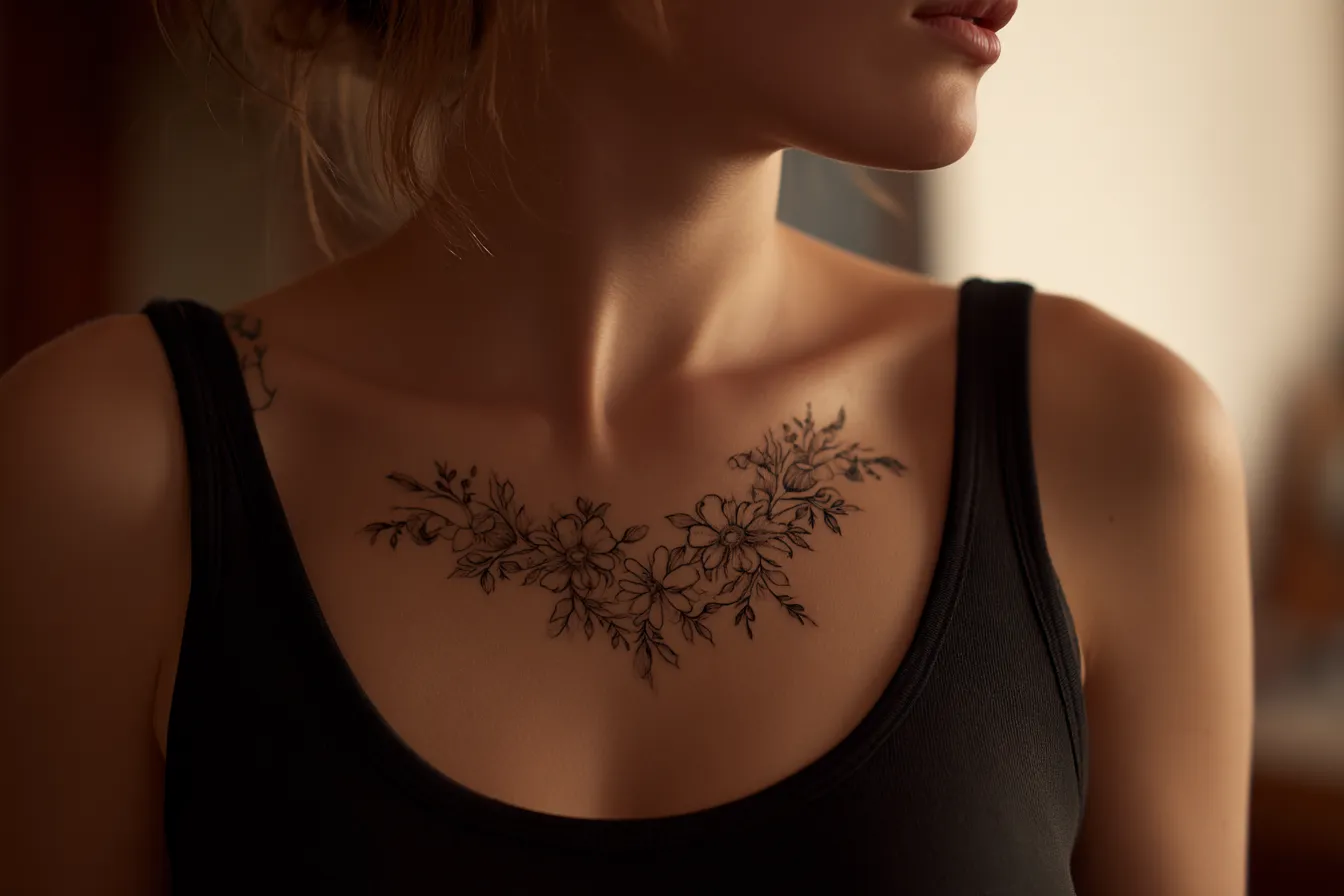
The sternum is the flat bone in the center of your chest, between the ribs. A sternum tattoo can sit:
- Centered on the breastbone, running vertically from the collarbones down toward the diaphragm (typical for men and for unisex ornamental work)
- Under the bust line, curving along the underwire of a bra - this is what most people mean by “underboob tattoo”
- Bridging both, with a central motif and arcs extending under each breast
Common size ranges:
- Minimalist: 1-3 inches (2.5-7.5 cm) - a small symbol, a single line, a word
- Medium ornamental or mandala: 4-6 inches (10-15 cm)
- Full sternum-to-underboob piece: 7-10 inches wide, spanning both sides of the chest
Style hallmarks that work well here: fine linework, dotwork shading, and symmetrical ornamental designs. Fine line and ornamental work have been listed among the dominant tattoo trends for 2025-2026 (1)(3), which is part of why the sternum has become such a popular placement - the flat bony surface gives enough room for delicate, symmetrical art without the distortion you get on curved or fleshy spots.
✓ Pros
- Flat, bony surface ideal for symmetrical and ornamental designs
- Concealable under regular clothing but striking in swimwear or low necklines
- Works well with fine line and dotwork styles
✗ Cons
- High pain due to thin skin and proximity to bone
- Healing complicated by clothing friction and chest movement
- Designs under the bust can distort with body changes like pregnancy or weight fluctuation
How Painful Is a Sternum Tattoo
Honest answer: it’s one of the more painful placements on the body. The skin over the sternum is thin, there’s no fat or muscle padding, and the needle is essentially vibrating directly against bone. Most shop pain charts rank the sternum in the high category - comparable to the ribs and spine, and noticeably worse than the outer upper arm, thigh, or calf.
What the pain actually feels like:
- A sharp, burning scratch on the surface
- A deep vibration or rattle when the needle passes over bone - this is the part most people find harder to push through than the surface pain
- A radiating ache that builds across a long session, especially over the lowest part of the sternum near the diaphragm
Relative scale: ribcage ≈ sternum > inner bicep > thigh > outer forearm. If your only reference is a forearm tattoo, expect this to feel significantly more intense.
A few factors shift the experience considerably. A tired, dehydrated body registers more pain - that sounds obvious until you’ve watched someone tap out at the 90-minute mark because they skipped breakfast. Many artists recommend avoiding the one or two days before your period when skin sensitivity tends to peak. Session length matters too: a 90-minute minimalist piece is a very different experience from a four-hour mandala. And the exact center over the breastbone is sharper than the softer skin curving out under the breast - the closer to bone, the more you’ll feel it.
What Do Sternum Tattoos Mean
There is no single fixed meaning. The placement itself carries weight more than the imagery does. Because the sternum sits over the heart, designs here are often associated with protection - symbols placed like armor across the chest, common in ornamental and gothic traditions - or with the body’s center line, which many cultures treat as spiritually significant. Sternum tattoos are also easy to conceal, so people frequently choose imagery that means something specific to them but isn’t for public display.
Some recurring motifs and their origins:
- Lotus and mandala - South Asian and Buddhist origins, associated with awakening and balance. The meaning has been heavily diluted in Western tattoo culture, so don’t assume a lotus reads as specifically Buddhist to viewers
- Snake or ouroboros - Greek and Egyptian roots, cycles and renewal
- Moth and butterfly - transformation, with the moth carrying a darker connotation in modern gothic work
- Florals (peonies, roses, lilies) - symbolism varies by flower and culture; in Japanese irezumi, peonies signal masculine wealth and bravery, not femininity
- Gothic and occult symbols - pentagrams, sigils, ornamental crosses; popular in current gothic chest design collections (2)
If symbolism matters to you, pick imagery whose cultural origin you actually know. Borrowing sacred motifs from traditions you’re not part of is worth thinking through before it’s permanent.
Designs by Style
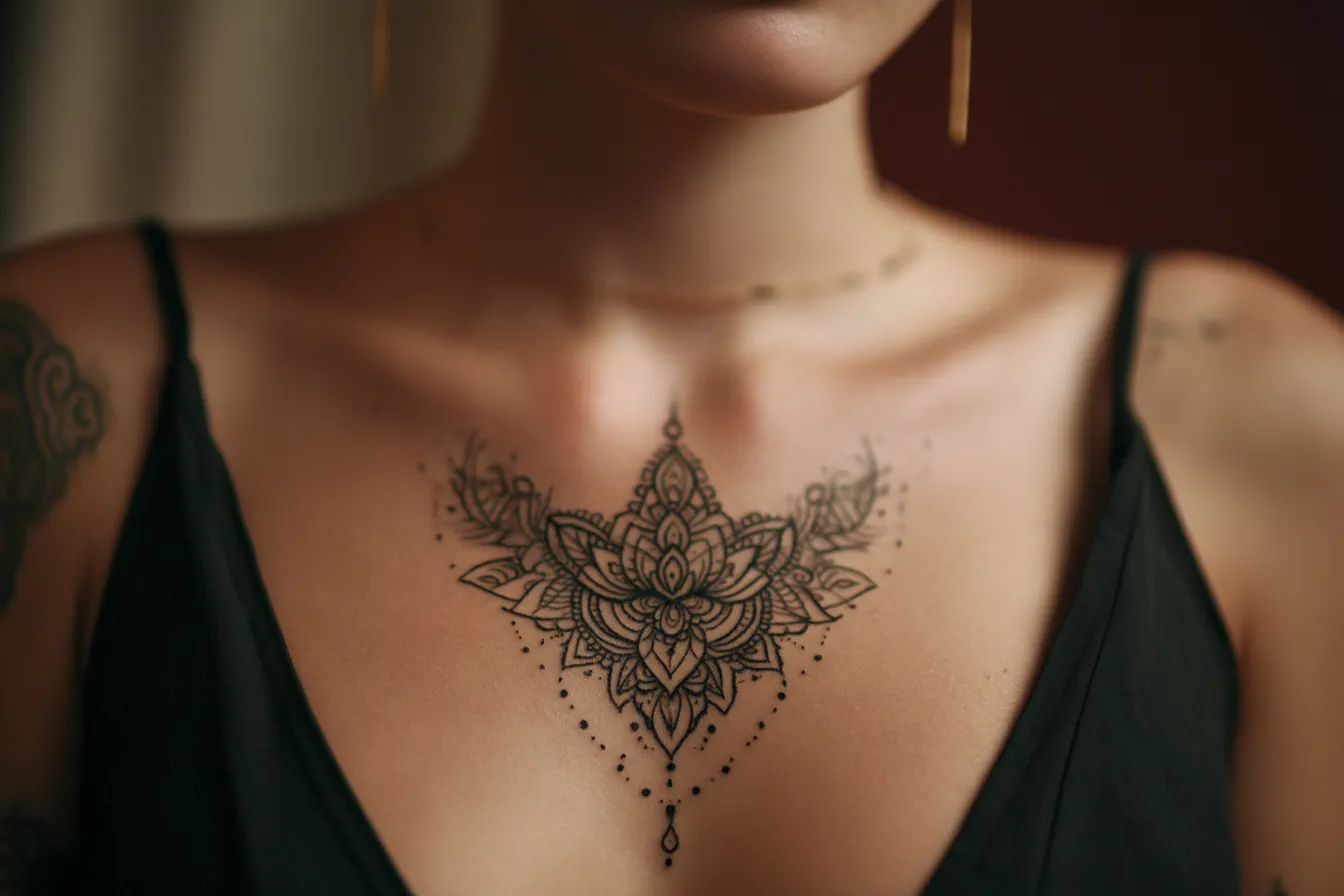
Minimalist Sternum Tattoo
A minimalist sternum tattoo is usually a single small symbol or short line - a tiny moon, a word, a wishbone, a constellation of three or four dots. Typical size: 1-3 inches, finished in 30-90 minutes, often using a 3RL (three-round liner) or single-needle setup.
Two technical hallmarks of good minimalist work here: clean unbroken lines and intentional negative space. The common pitfall is artists going so thin that the line blows out into the dermis and looks fuzzy after healing. Fine line on the sternum needs a steady hand and ink saturation just shy of overworked - I’ve seen plenty of single-needle pieces that looked crisp fresh and turned into faint smudges within two years because the artist chased delicacy at the expense of depth.
Dainty Sternum Tattoo
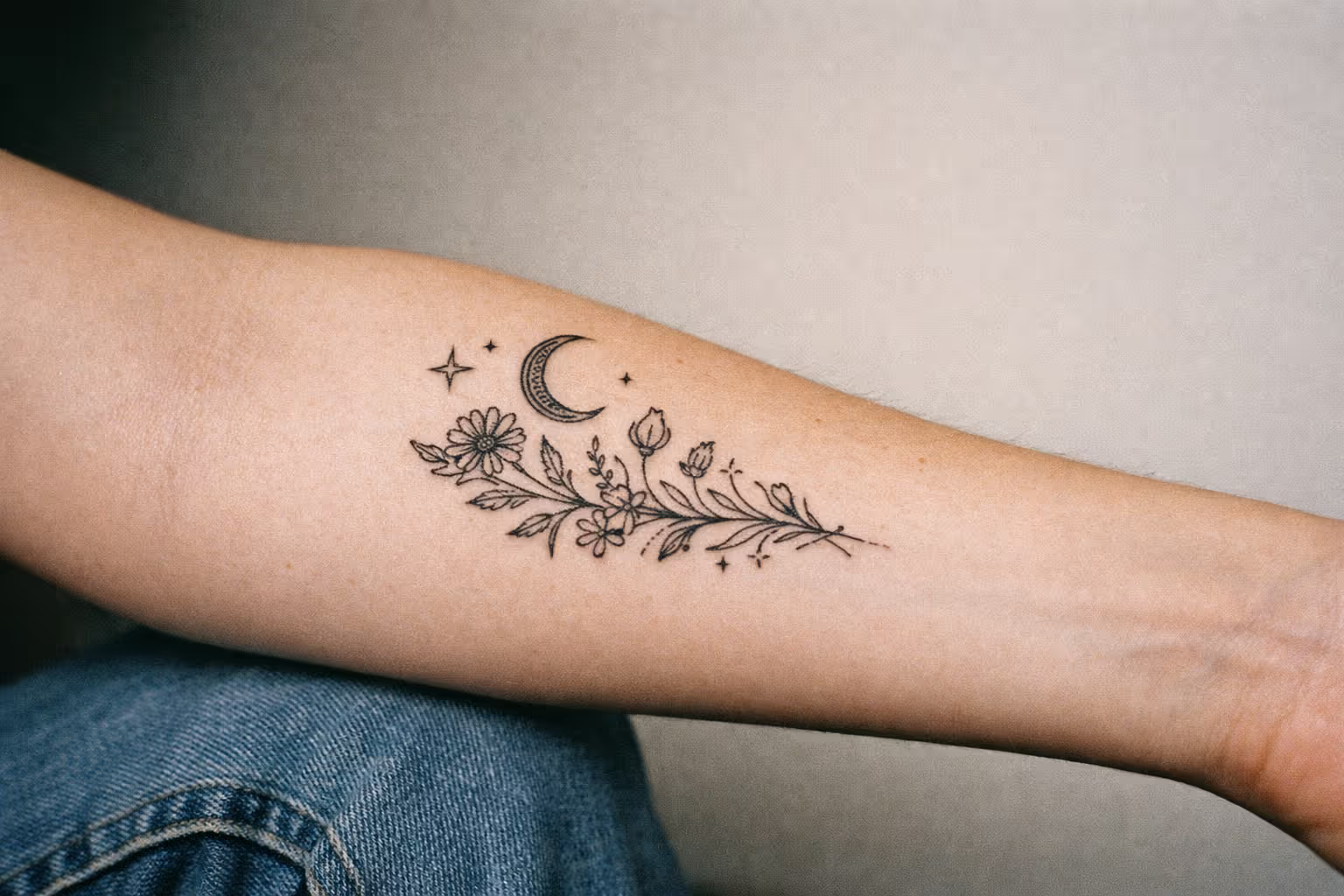
A dainty sternum tattoo overlaps with minimalist but leans more decorative - small floral vines, a delicate ornamental arc, a micro-mandala. Width usually 1.5-4 inches, sitting just above or just below the bust line. The linework tapers and the negative space dominates, which is what gives these designs their softer read.
Watch out for too many fine details packed close together. They blur within five to ten years as ink spreads slightly in the dermis. When I consult on these pieces, I always ask clients to let me widen the spacing between elements compared with the Pinterest reference - it looks almost identical fresh and holds up far better at year seven.
Ornamental and Mandala Sternum Tattoo
Symmetrical work - mandalas, lace patterns, dotwork arches - is genuinely what the sternum is built for. The flat bone surface lets an artist mirror a design cleanly across the centerline in a way that’s harder to pull off on the ribs or hip. Size range: 4-8 inches, sessions of 2-4 hours, sometimes split across two visits.
One step that matters more than most clients expect: insist on stenciling while you’re standing, not lying down. The symmetry shifts when you move from horizontal to vertical, and a design that looks perfectly centered on the table can drift noticeably once you’re upright.
Gothic Sternum Tattoo
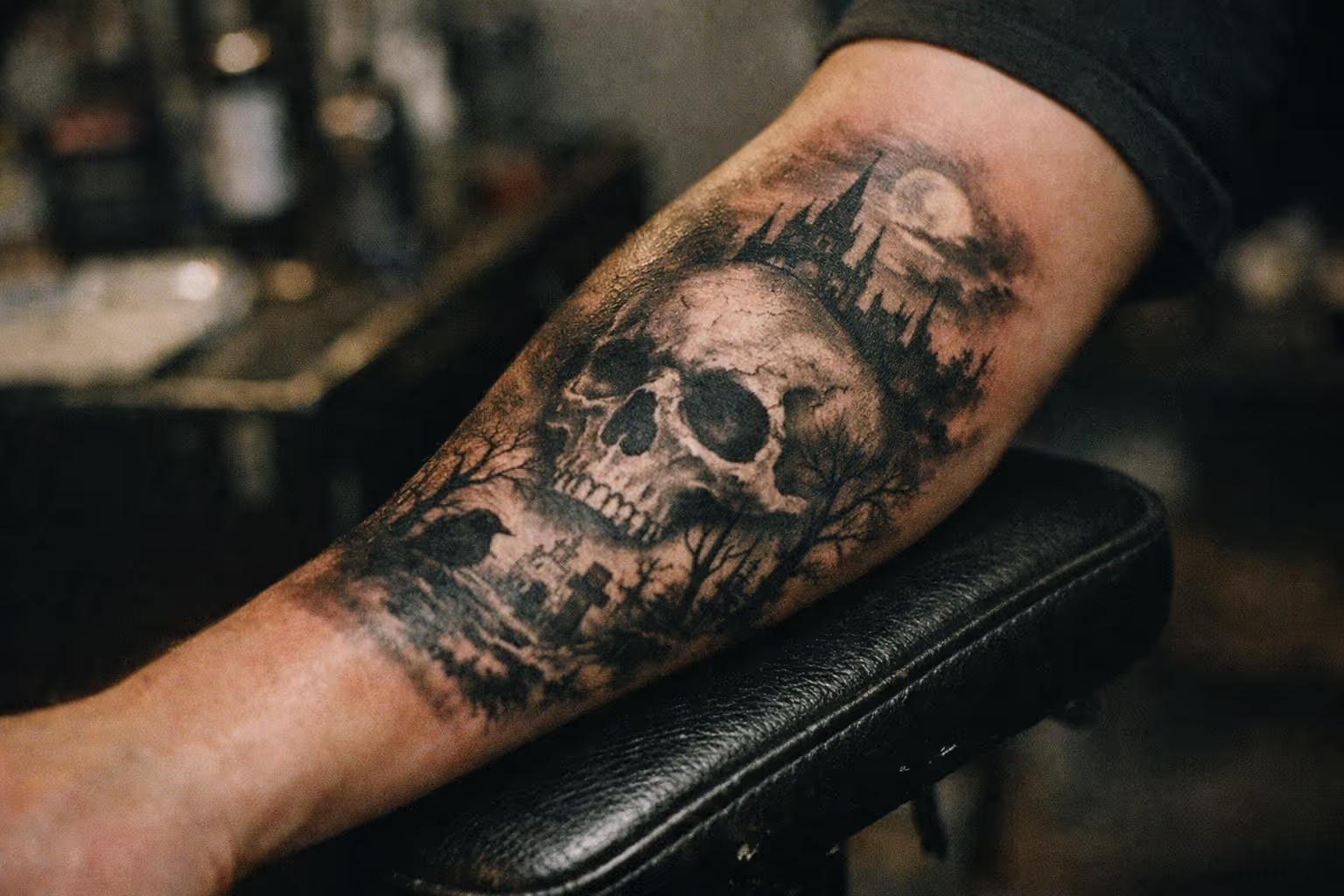
Dark, heavy work - blackwork, gothic script, occult symbols, ornamental crosses - has been a steady current in chest tattoo collections (2). Common motifs include daggers, moths, skulls integrated into ornamental frames, and dense black shading anchored by fine line accents. Two technical hallmarks: solid black saturation and confident negative-space borders. The pitfall when this style is done poorly is patchy blackwork that heals streaky and needs a touch-up at six months. Solid black needs to be packed, not rushed.
Sternum Tattoo Designs for Men
Sternum tattoo designs for men tend to flow into the pecs and shoulders, becoming part of a larger chest panel rather than a standalone piece. Common choices: geometric patterns radiating from the breastbone, ornamental script, religious imagery, eagles, skulls, or Japanese-style waves and dragons curving out toward the ribs. Sizes are usually larger - 6-10 inches or more - often as a starting point for a full chest.
Pain note: the central sternum hits just as hard for men. There’s no extra padding, and the bone is closer to the surface than on most other placements.
Sternum Tattoo Designs for Women
A sternum tattoo female placement most often refers to an under-bust design following the bra line, sometimes with a central motif between the breasts and arcs extending outward. Florals, ornamental lace, moons, snakes wrapping the ribs, and small symmetrical animals - bees, butterflies, moths - all sit well here. Designs that follow the natural V of the cleavage tend to photograph better than perfectly horizontal layouts.
If you wear bras with underwire, mark your favorite bra’s underline with the artist before stenciling. The tattoo should sit just below that line, not on it - underwire sitting directly on fresh linework for eight hours a day is a reliable way to wreck the healing.
Where Is the Most Feminine Place to Get a Tattoo
This question shows up constantly in image searches, so it’s worth answering directly. The placements most often ranked as feminine in tattoo galleries and trend reports:
- Sternum / underboob - intimate, mostly concealable, follows the body’s curves
- Side ribs - same curvature advantage, easier to extend into larger pieces
- Spine - vertical, elegant, suits fine line and ornamental scripts
- Hip - very concealable, flatters body shape
- Inner arm and inner bicep - soft skin, visible only when you choose
- Behind the ear and ankle - small, subtle, easy to hide
The sternum ranks high specifically because it photographs well in swimwear and plunge necklines while staying invisible under a t-shirt and standard bra. That combination - intimate but concealable - is what most people mean by “feminine placement” in this context.
Cost and Session Time
US pricing as of 2026:
- Shop minimums: $80-$150 per session in most cities
- Standard hourly rates: $120-$200/hour
- In-demand fine-line and ornamental specialists: $200-$350/hour in NYC, LA, London, Toronto
Typical totals:
- Small minimalist sternum tattoo: $120-$300, one short session
- Medium dainty or ornamental piece: $300-$800, one or two sessions
- Large mandala or sternum-to-underboob: $700-$1,800, split across 2-3 sessions
Budget an extra $20-$80 on top of the artist’s quote for tip (15-25% is standard), aftercare products, and a possible touch-up at the 3-12 month mark. Many artists offer free or discounted touch-ups within the first year - confirm the policy before you book, not after.
Session length by size:
- Minimalist 1-3 in: 30-90 minutes
- Medium 4-6 in: 2-4 hours
- Full chest panel 7-10 in: 4-8 hours total, almost always split into multiple sessions
How to Prepare
The day before:
- Skip alcohol and avoid blood thinners (high-dose ibuprofen, aspirin) in the 24 hours before your appointment, unless a doctor has told you otherwise
- Hydrate well - dehydrated skin takes ink poorly
- Shave or clip the area 24 hours ahead, or let your artist shave you. Don’t wax or use depilatory creams in the 3-5 days before
- Sleep. Pain tolerance drops sharply when you’re tired
The day of:
- Eat a full meal 1-2 hours before - sternum sessions cause more lightheadedness than arm sessions because of the position and the proximity to your diaphragm
- Bring water and a sugary snack
- Wear a front-clasp bra, loose sports bra, or button-up shirt (or for men, an open-front shirt or tank). Most studios provide pasties or nipple covers if needed
- Plan for lying on your back for 1-4 hours. Bring a small pillow if you have lower back issues
Topical numbing creams: ask your artist in advance. Some allow over-the-counter 4-5% lidocaine applied 60 minutes before; others won’t tattoo over numbing cream because it changes skin texture and can affect how the ink takes. Don’t show up having applied it without checking first.
How to Prepare for a Sternum Tattoo
About 1 hourSteps to optimize your skin and body condition before your appointment.
- 1
Day Before
Avoid alcohol and blood thinners, hydrate well, shave or clip the area 24 hours ahead, and get a good night's sleep.
- 2
Day Of
Eat a full meal 1-2 hours before, bring water and a sugary snack, wear a front-clasp bra or loose shirt, and bring a pillow if you have back issues.
- 3
Numbing Cream
Check with your artist about topical numbing creams; some allow 4-5% lidocaine applied 60 minutes before, others do not.
Healing and Aftercare Timeline
Sternum tattoos heal slower than arm or leg tattoos. The skin is thin, the chest moves constantly with breathing, and bras and clothing rub against the area all day. Plan accordingly.
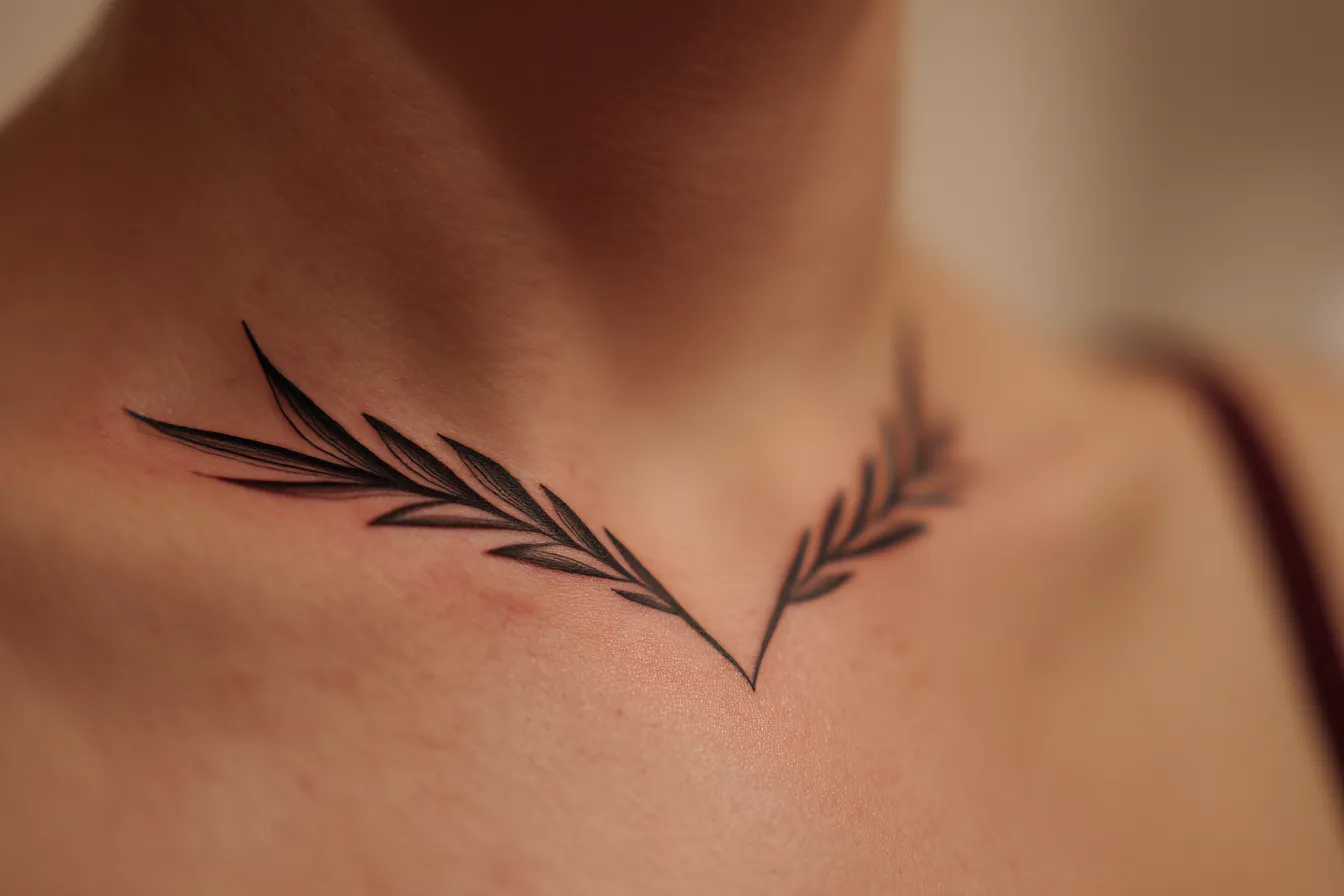
Day 1-3: Plasma and swelling
- Leave whatever dressing your artist applied for the time they specified (usually 24-72 hours for film-style adhesive dressings, 2-4 hours for traditional plastic wrap)
- After removing the dressing, gently wash with lukewarm water and fragrance-free soap, pat dry with a clean paper towel
- Expect mild swelling and bruising, especially along the underwire line if your piece extends under the breast
- Apply a thin layer of fragrance-free moisturizer or healing ointment 2-3 times a day. Thin is the key word - thick layers trap sweat and cause breakouts
Week 1: Peeling and itching
- The tattoo will start to peel and flake. Do not pick, scratch, or rub
- Avoid underwire bras, tight sports bras, and chest binders - anything that creates friction. Switch to a soft bralette, a loose camisole, or go braless if you can
- No swimming pools, hot tubs, saunas, or baths. Showers are fine
- Sleep on your back if possible
Week 2-4: Surface healing
- Surface skin closes around day 10-14
- You can usually return to gentle exercise around day 10, but skip anything with significant chest movement or heavy sweat (running, HIIT, weight training) until at least day 14
- Sun protection becomes critical - once peeling stops, apply fragrance-free, mineral SPF 30+ any time the tattoo will be exposed
- Pastel or lighter ink may look patchy at this stage; that’s normal and usually settles by week 6
Week 6-8: Full healing
- Internal healing finishes around 6-8 weeks for medium pieces, longer for large heavily shaded work
- Underwire and tight bras are safe again
- Beach, pool, and long sun exposure are safe, with SPF
- Book your touch-up if needed - most artists prefer to evaluate at the 6-8 week mark
How a Sternum Tattoo Ages
This is the part most articles skip, and it matters more on the sternum than on almost any other placement.
Body changes that affect sternum tattoos:
- Weight fluctuations: The sternum itself doesn’t change, but the surrounding chest and breast tissue does. Under-boob designs warp the most with weight loss or gain
- Pregnancy: Skin stretches significantly across the chest and abdomen. Designs that extend below the sternum onto the upper stomach can distort
- Chest surgery: Breast augmentation, reduction, or top surgery will affect placement. If chest surgery is on your horizon, talk to both your surgeon and tattoo artist before committing
- Muscle gain (for men): Significant pec development can subtly shift the geometry of a centered design
Ink and line aging:
- Black and dark gray hold best on the sternum - count on 10-15 years before any noticeable softening
- Pastel colors fade 30-50% faster on the chest than on the arm because of sweat, sun, and constant skin movement
- Fine line work can blur over 5-10 years as ink spreads slightly in the dermis. Future-proof it by asking for slightly wider line spacing and slightly heavier saturation than the reference image shows
This placement ages best with bold linework and high-contrast black-and-gray. Delicate fine line still works, but go in knowing you may want a touch-up around the 5-7 year mark. I tell clients this upfront, not because it’s a problem, but because it’s a cost and a session they should factor in when they’re deciding on a design.
Bra and Clothing Logistics
The wardrobe side of healing a sternum tattoo is the practical thing nobody warns you about. I’ve had clients come back at week two with a healing disaster that traced directly back to an underwire bra they put on at day four because they forgot.
First 2 weeks:
- Soft bralettes without underwire, or wireless seamless bras
- Front-clasp options make it easier to dress without bending and pulling fabric across the tattoo
- Loose cotton tops, button-ups, oversized t-shirts
- Avoid anything with seams or lace that sit across the tattoo
Weeks 2-6:
- You can reintroduce a regular bra around week 3-4 if peeling is fully done and there’s no scabbing
- Skip underwire for at least 4 weeks for under-boob designs
- Avoid swimsuit tops with tight elastic across the sternum until full healing
Long term:
- Once healed, normal bras, swimwear, and tight tops are all fine
- The tattoo will fade faster than an arm tattoo if you tan or sunbathe topless - UV is the biggest enemy of chest ink
Choosing the Right Artist
A sternum tattoo punishes a mediocre artist more than a forearm tattoo does. The symmetry has nowhere to hide, the linework needs precision, and the healing is unforgiving.
What to look for:
- A healed-work portfolio, not just fresh photos. Fresh tattoos look great. Healed photos at 6 months or a year tell you whether the artist’s lines hold up. See our guide on How to Choose a Tattoo Artist for tips on evaluating portfolios and hygiene.
- Specific sternum or chest work in their gallery. A general traditional artist may be brilliant but unfamiliar with the placement-specific quirks
- Style match. A fine-line specialist for fine-line work, an ornamental specialist for mandala work. Don’t ask an American traditional artist to do dotwork
- Cleanliness. Single-use needle cartridges, visible autoclave, gloves changed between steps, barrier film on machines and cables. For more on needles, see our Tattoo Needles guide.
- Communication. A good artist will redraw your design to fit your sternum length and chest proportions, not just print a Pinterest screenshot
Red flags: refusal to show healed work, pressure to commit on a deposit before consultation, prices significantly below market rate, no patch-test option for clients with sensitive skin or known allergies.
Frequently Asked Questions
- Can I get a sternum tattoo if I have sensitive skin or allergies?
- Discuss with your artist about patch testing before the session. Some studios offer this to check for reactions, especially important for delicate chest skin.
- How should I manage pain during a long sternum tattoo session?
- Break the session into shorter appointments if possible. Stay hydrated, well-fed, and rested. Some artists allow topical numbing creams but check first.
- What if I want a pastel color sternum tattoo?
- Pastel colors fade faster on the chest due to sweat and sun exposure. Plan for touch-ups around year five and use sun protection diligently.
- Is it safe to get a sternum tattoo if I have a history of keloids?
- The sternum is prone to keloid scarring. Consult a dermatologist and your tattoo artist before proceeding; it might be best to avoid this placement.
- Can I wear an underwire bra during the healing process?
- Avoid underwire bras for at least 4 weeks, especially if your tattoo extends under the breasts. Underwire can rub and damage fresh ink.
- How do I know if an artist is experienced with sternum tattoos?
- Look for healed chest or sternum tattoos in their portfolio, not just fresh work. Ask about their approach to symmetry and stencil placement.
- What clothing should I avoid after getting a sternum tattoo?
- Avoid tight, lacy, or seamed tops that rub the tattoo. Soft bralettes, front-clasp bras, and loose cotton shirts are best during healing.