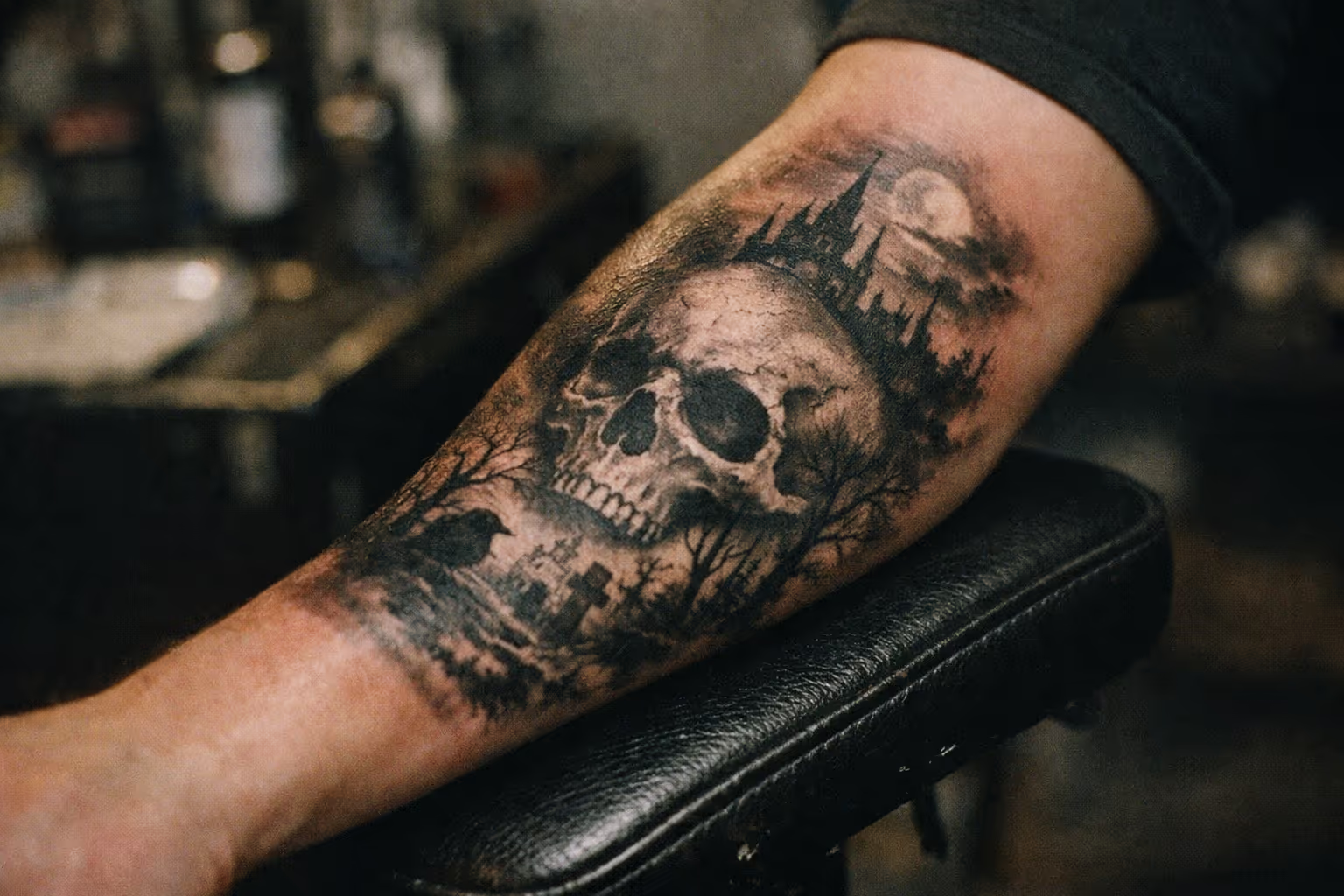
If you feel achy, chilled, and wiped out the day after a big tattoo, you’re probably not getting sick - you’ve got tattoo flu, and it runs on a predictable clock. It tends to hit within 12-24 hours, peak around day two, and clear by 72 hours; anything dragging past that is worth a second look. Knowing the timeline is what separates a normal reaction from an actual infection. Here’s what tattoo flu is, why it happens, and how to get through it.
Is Tattoo Flu Real?
Yes - and the term has moved well out of tattoo forums into mainstream health writing. Northwestern Medicine now uses the phrase explicitly, defining it as a short-term immune response to the trauma of being tattooed (6). It’s not an infection, and the symptoms aren’t caused by any flu virus.
Here’s what’s actually happening: a tattoo machine punctures the skin roughly 50-3,000 times per second across hours of work. Your body reads that as a wound, releases inflammatory cytokines, and you feel the systemic side effects - the same machinery that makes you feel rough during a real viral illness.
Every artist I know has seen this in clients. It’s well-known in studios, but there’s no solid prevalence number in the research. What I can tell you from experience is that larger pieces, longer sessions (3+ hours), and ribcage/spine/sternum work tend to produce it far more often than a quick forearm flash piece.
Tattoo Flu Symptoms - What It Actually Feels Like
The classic tattoo flu symptoms show up 12-24 hours after the session ends (5). You’ll know it when you feel it, but here’s the rundown:
- Fatigue and lethargy - the most common complaint. You feel wiped out even after sleeping.
- Chills and low-grade fever - usually under 101°F (38.3°C).
- Body aches, muscle soreness, joint pain - diffuse, not just at the tattoo site.
- Headache and occasional dizziness.
- Nausea, loss of appetite, sometimes vomiting.
- Swollen lymph nodes near the tattooed limb - armpit for arm tattoos, groin for leg tattoos (5).
- General malaise - that “coming down with something” feeling.
Locally, expect redness, mild swelling, warmth, and tenderness around the tattoo itself. That’s normal inflammation, not infection, as long as it stays close to the lines and improves day by day.
What it does not feel like: respiratory symptoms. No cough, no sore throat, no congestion. If you have those, you probably caught an actual virus, not tattoo flu. I’ve had clients call the studio convinced they were getting sick, then describe a textbook tattoo flu presentation - no respiratory symptoms, onset around hour 18, started after a 5-hour back session. That’s not a coincidence.
How Long Does It Last?
For most people, tattoo flu lasts 24-72 hours (3)(5). The Mood Disorders Society of Canada describes it as “typically a couple of days, lessening each day” (4).
A rough timeline:
- Hours 0-12: Adrenaline still up, you feel mostly fine. Tattoo is wrapped or covered in a medical film.
- Hours 12-24: Symptoms kick in. Fatigue, chills, and aches peak. This is when most people first notice they feel sick.
- Day 2 (24-48 hours): Usually the worst day. Low-grade fever may persist. Tattoo area is swollen and sore.
- Day 3 (48-72 hours): Systemic symptoms start clearing. Local tattoo swelling still present but improving.
- Day 4+: Tattoo flu should be gone. The tattoo itself is still healing - full skin healing takes 2-4 weeks - but you should feel normal.
If you still feel feverish, achy, or worse after 72 hours, that’s the line to call a doctor (5). Tattoo flu does not drag on for a week. If it does, something else is going on.
Can You Get Flu-Like Symptoms After Getting a Tattoo?
Yes, and it’s more common than most first-timers expect. Several factors raise the odds:
- Session length over 3 hours. More time in the chair means more inflammation, more cortisol, more crash afterward.
- Large surface area. A full back piece taxes the system harder than a 2-inch forearm tattoo.
- High-trauma placements. Ribcage > sternum > spine > forearm in terms of systemic toll, roughly. Bony areas with thin skin tend to inflame more.
- Showing up depleted. Hungover, sleep-deprived, fasting, dehydrated - all make tattoo flu more likely and more intense (3).
- Chronic conditions. Autoimmune disease and being on immunosuppressants can amplify symptoms.
- First tattoo nerves. A pure stress response (vasovagal, dizziness, nausea) can also occur during or right after the session - that’s different from tattoo flu but often confused with it.
One thing I tell clients who’ve had multiple tattoos without issue: past tolerance isn’t a vaccine. You can have ten tattoos with no problem, then get tattoo flu on number eleven because it was bigger or you slept four hours the night before.
How to Prevent It
The best window to prevent tattoo flu is the 24 hours before you sit down. Once the needle hits, the immune cascade is already running.
The night before:
- Sleep at least 7-8 hours. This is the single biggest lever. I’ve seen clients skip everything else on this list and still do fine - I’ve never seen someone who showed up exhausted have an easy recovery.
- No alcohol for 24 hours before. It thins the blood, slows clotting, and weakens immune response.
- Skip recreational drugs for the same reason.
The morning of:
- Eat a real meal 1-3 hours before - complex carbs and protein. Oatmeal with eggs, a sandwich, rice and chicken. Skip the green juice and toast routine.
- Drink 16-32 oz (0.5-1 L) of water before you arrive.
- Limit caffeine to one or two cups - high caffeine spikes anxiety and can amplify the post-session crash.
During the session:
- Bring snacks. Granola bars, fruit, electrolyte drinks. Refuel every 60-90 minutes on long sessions.
- Drink water steadily - not chugged, just sipped.
- For pieces expected to take more than 4-5 hours, ask the artist about breaking the work into multiple shorter sessions 2-4 weeks apart. This is the most reliable prevention strategy for large projects, and most good artists will suggest it anyway.
Studio choice: Licensed studio, single-use needles, autoclave sterilization, gloves changed throughout. Cheaper studios cutting corners on hygiene won’t cause tattoo flu directly, but they raise infection risk on top of it - and a bacterial infection will feel ten times worse than ordinary tattoo flu. Knowing how to choose a tattoo artist before you book is one of the most practical steps you can take to reduce that risk.
Treatment at Home
Tattoo flu treatment is mostly supportive care. There’s no pill that targets it because it’s not an infection. Your job is to make recovery faster.
Hydration. Aim for 8 × 8-oz glasses (about 2 L) of water per day, more if you’re sweating or feverish (1). Electrolyte drinks (Pedialyte, Gatorade, LMNT) help if you’re nauseous or have vomited.
Rest. Plan for a full day off after long sessions. Sleep 8-10 hours the first two nights. Skip the gym for 48-72 hours - heavy exercise diverts energy from healing and raises core temperature, which can worsen swelling.
Food. Light, nutrient-dense meals. Yogurt, eggs, fruit, whole-grain toast, soup, lean protein. Foods with vitamins A and C and zinc support skin repair.
OTC pain relievers. Ibuprofen 200-400 mg every 4-6 hours (max 1,200 mg/day OTC) or acetaminophen 500-1,000 mg every 6 hours (max 3,000 mg/day) for aches and fever - follow label directions. Don’t stack NSAIDs, and don’t combine them with alcohol. Worth noting: some artists prefer acetaminophen over ibuprofen in the first 24 hours because NSAIDs can mildly increase bleeding and bruising at the tattoo site. I tend to agree with that call.
Wound care. Wash hands before touching the tattoo. Wash the tattoo 2-3× daily with fragrance-free mild soap, pat dry with a clean paper towel, apply a thin layer of fragrance-free moisturizer or the aftercare product your artist recommends. Don’t over-moisturize - suffocating the skin under thick ointment can cause breakouts and slow healing.
Avoid:
- Hot tubs, pools, baths that soak the tattoo (showers are fine)
- Direct sun on the tattoo
- Tight clothing rubbing the area
- Alcohol while symptoms persist
Rough cost of home management (US): OTC meds $5-$15, fragrance-free soap $5-$12, aftercare ointment $8-$25, electrolyte drinks $1-$3 each. Most people spend under $50 total.
How to Get Rid of It Quickly
If you want the fastest possible recovery, stack these in the first 24-48 hours:
- Sleep 8-10 hours the first night. Non-negotiable.
- Drink 2-3 L of fluids per day, split between water and electrolytes.
- Take a scheduled OTC pain reliever at the recommended dose for the first 24-36 hours rather than waiting for symptoms to spike.
- Eat three real meals with protein and carbs. Skipping meals prolongs the crash.
- Cancel anything optional. No gym, no long walks, no drinking, no sauna, no extended sun exposure for 48-72 hours.
- Keep the tattoo clean and lightly moisturized on schedule - wound stress feeds back into systemic stress.
- Stay warm. Light blanket if you’re shivering. Don’t overheat.
Most people who follow this protocol feel significantly better by hour 36 and back to baseline by hour 72.
Normal Reaction vs. Infection - When to Worry
This is the part that matters most. Mild tattoo flu is annoying. A skin infection or systemic infection is a medical emergency. Know the difference.
Normal tattoo flu (manage at home):
- Low-grade fever under 101°F
- Aches, fatigue, chills that improve each day
- Tattoo redness and swelling that stay close to the tattoo outline
- Symptoms gone by day 3
Red flags - see a doctor or urgent care:
- Fever over 101°F (38.3°C) lasting more than 24 hours, or a sudden spike
- Redness spreading outward from the tattoo, or red streaks running away from it (a sign of cellulitis or lymphangitis)
- Pus, foul-smelling discharge, or yellow/green fluid
- Pain that worsens after day 2 instead of improving
- Hard, hot, increasingly swollen skin at the tattoo
- Symptoms still present or worsening after 72 hours
Call 911 or go to the ER:
- Difficulty breathing, throat tightness, facial swelling - possible anaphylaxis from ink
- Widespread hives or rash
- Confusion, very high fever (>103°F), rapid heartbeat - possible sepsis
If you’re ever unsure whether redness and swelling are normal healing or something more serious, the infected tattoo self-check framework is a useful reference for tracking symptoms day by day. A clinic visit in the US runs $100-$300+ without insurance; oral antibiotics add $10-$50. Don’t gamble on this. If you’re unsure whether what you’re experiencing is normal, call.
Higher-Risk Groups
A few categories of clients should plan extra carefully because the line between tattoo flu and complication is thinner for them:
- Autoimmune conditions. May have a stronger inflammatory response; clear large pieces with your physician.
- On immunosuppressants. Talk to your prescribing doctor before booking. Some medications require timing adjustments.
- On blood thinners. Affects bleeding during the session and bruising afterward. Doctor’s input first.
- People with mood disorders. Feeling unexpectedly ill can amplify anxiety - knowing tattoo flu is coming reduces the spiral.
- Pregnant or breastfeeding. Most reputable artists won’t tattoo during pregnancy. Wait.
For all of these groups, smaller pieces and shorter sessions are the safer call. I’ve worked with clients across most of these categories, and the ones who do best are the ones who’ve had a real conversation with their doctor before booking - not after.
Common Mistakes That Make Recovery Worse
I see the same patterns over and over:
- Showing up hungover. You’ll feel three times worse afterward. Reschedule instead.
- Skipping breakfast to “save room” or because you’re nervous. You’ll get dizzy mid-session and crash hard after.
- Hitting the gym the next morning because you feel okay at hour 12. The crash hits at hour 24. Don’t pre-empt it.
- Drinking the night of the session to celebrate. Alcohol dehydrates you, thins your blood, and stalls healing.
- Over-applying ointment. A thin layer, 2-3 times a day. Drowning the tattoo in thick product traps bacteria and slows healing.
- Wrapping it back up with cling film after the artist’s bandage comes off. Once it’s off, let it breathe - unless the artist used Saniderm or Tegaderm, which stays on for several days by design.
- Picking or scratching when it scabs around days 5-10. Lifts ink, can scar, and reopens the wound.
- Sun exposure on a healing tattoo. Skip sunscreen for the first 2 weeks (it irritates the wound) and avoid direct sun for the first month. Cover with loose sun-protective clothing.
What’s Happening Under Your Skin
Quick technical aside, because it helps to understand what’s going on: your immune system treats a tattoo as a wound plus a foreign-body deposit. Macrophages move in to engulf ink particles - most get trapped in the dermis (which is why the tattoo stays) but some travel to lymph nodes, which is why those nodes can swell. Inflammatory cytokines (IL-6, TNF-α) circulate systemically and produce the same fatigue, fever, and aches you’d get with a viral illness.
That’s tattoo flu in one paragraph. It’s not your body rejecting the tattoo - it’s your body doing exactly what it’s supposed to do.
The flip side: this is also why aftercare matters. A clean, well-cared-for tattoo gives the immune system less work to do, and you feel less rough for it. Poor needle depth or technique can also worsen trauma to the skin - understanding tattoo needles and how they interact with different skin layers helps explain why some sessions hit harder than others.
Frequently Asked Questions
- How long does the tattoo flu last?
- Usually 24-72 hours. Symptoms typically start 12-24 hours after the session, peak on day 2, and clear by day 3. If you still feel sick after 72 hours, that's the time to consult a doctor.
- Can you get flu-like symptoms after getting a tattoo?
- Yes. Fatigue, chills, low-grade fever, body aches, headache, and nausea are all common in the first 24-48 hours, especially after sessions longer than 3 hours or on large body areas. It's an immune response, not a virus, and it's not contagious.
- What does the tattoo flu feel like?
- Like a mild flu without the respiratory symptoms. You'll feel tired, achy, possibly chilled or running a low fever, with a headache and maybe nausea. The tattoo itself will be sore, red, and swollen - that's local inflammation. No coughing, no congestion, no sore throat. If you have those, it's probably an actual viral illness.
- How to get rid of tattoo flu quickly?
- Sleep 8-10 hours, drink 2-3 L of fluids per day, eat real meals, take OTC ibuprofen or acetaminophen at the recommended dose, skip the gym and alcohol for 48-72 hours, and keep your tattoo clean and lightly moisturized. Most people feel significantly better by hour 36.
- Is tattoo flu contagious?
- No. It's your own immune response to skin trauma, not an infection you can pass to anyone else.
- Can you prevent tattoo flu entirely?
- Not always, but you can drastically lower the odds: sleep well the night before, eat a balanced meal beforehand, hydrate, skip alcohol for 24 hours pre-session, and break large pieces into shorter sessions instead of marathon sittings.
- Does every tattoo cause tattoo flu?
- No. Small pieces - under an hour, low-trauma placements like the outer forearm - rarely trigger systemic symptoms. The risk climbs with session length, tattoo size, and high-trauma placements like the ribcage, sternum, and spine.
Bottom Line
Tattoo flu is real, it’s common after long sessions, and it almost always passes within three days with rest, fluids, and basic aftercare. Show up rested, fed, and hydrated, and you’ll cut the odds significantly.
Watch for fever over 101°F, spreading redness, pus, or symptoms that worsen after day 2. Those aren’t tattoo flu - those are infection or allergic reaction, and they need a doctor.
The healing of the tattoo itself runs on its own clock: day 1-3 oozing and swelling, week 1 scabs and tightness, week 2-4 flaking and itching, full settled appearance around the 2-3 month mark. Tattoo flu is just the systemic prologue. Take the first 48 hours seriously, follow your artist’s aftercare instructions, and the rest takes care of itself.