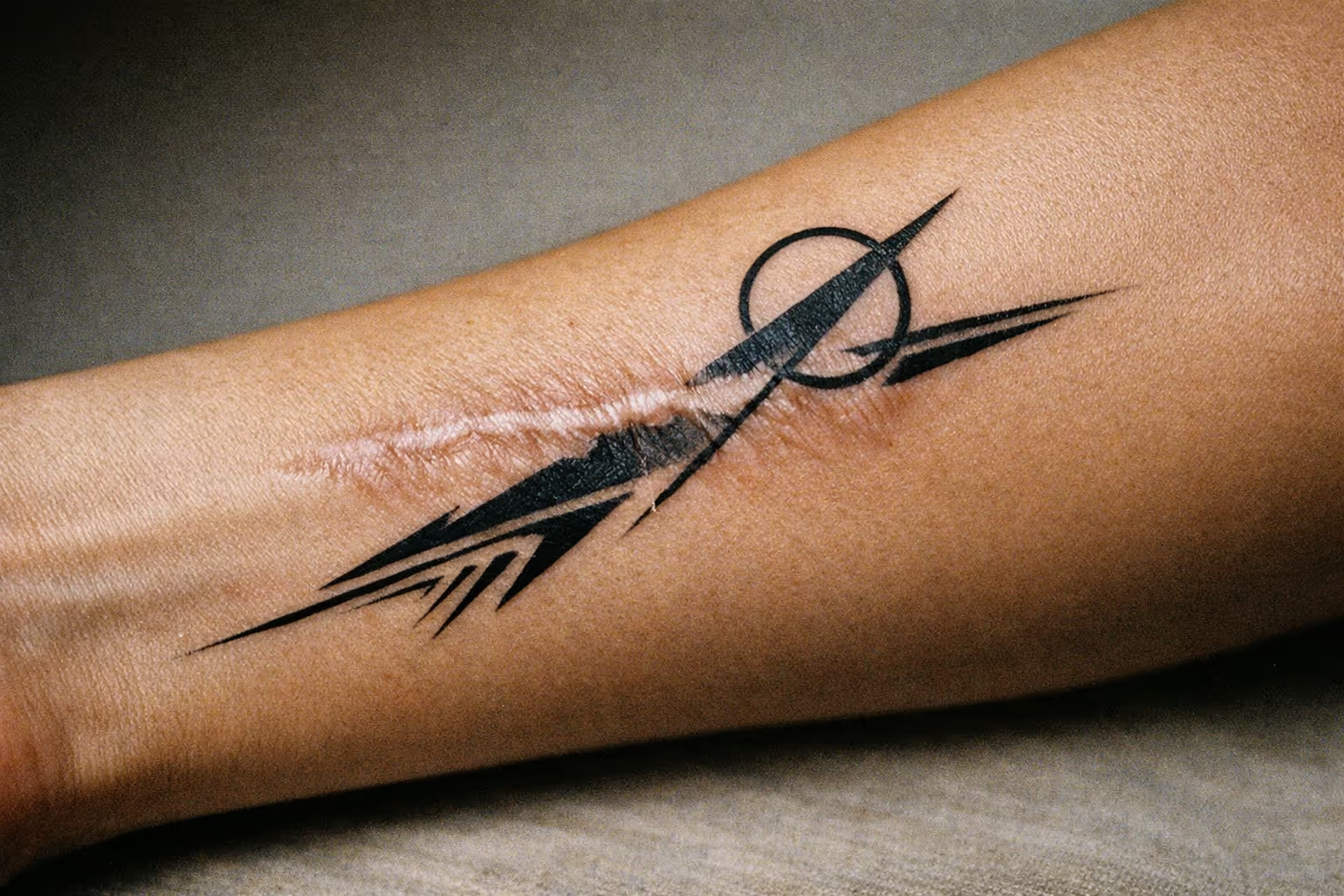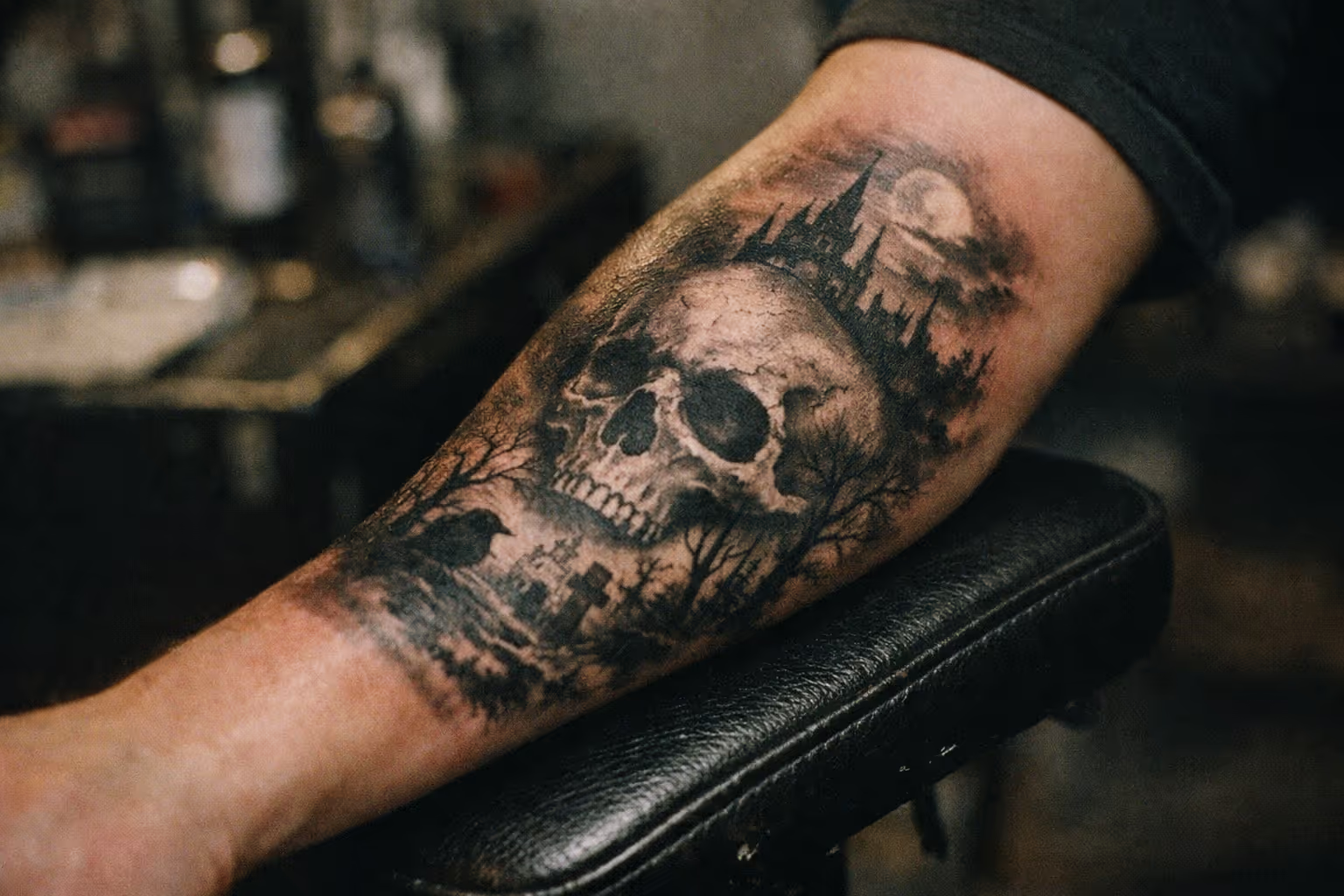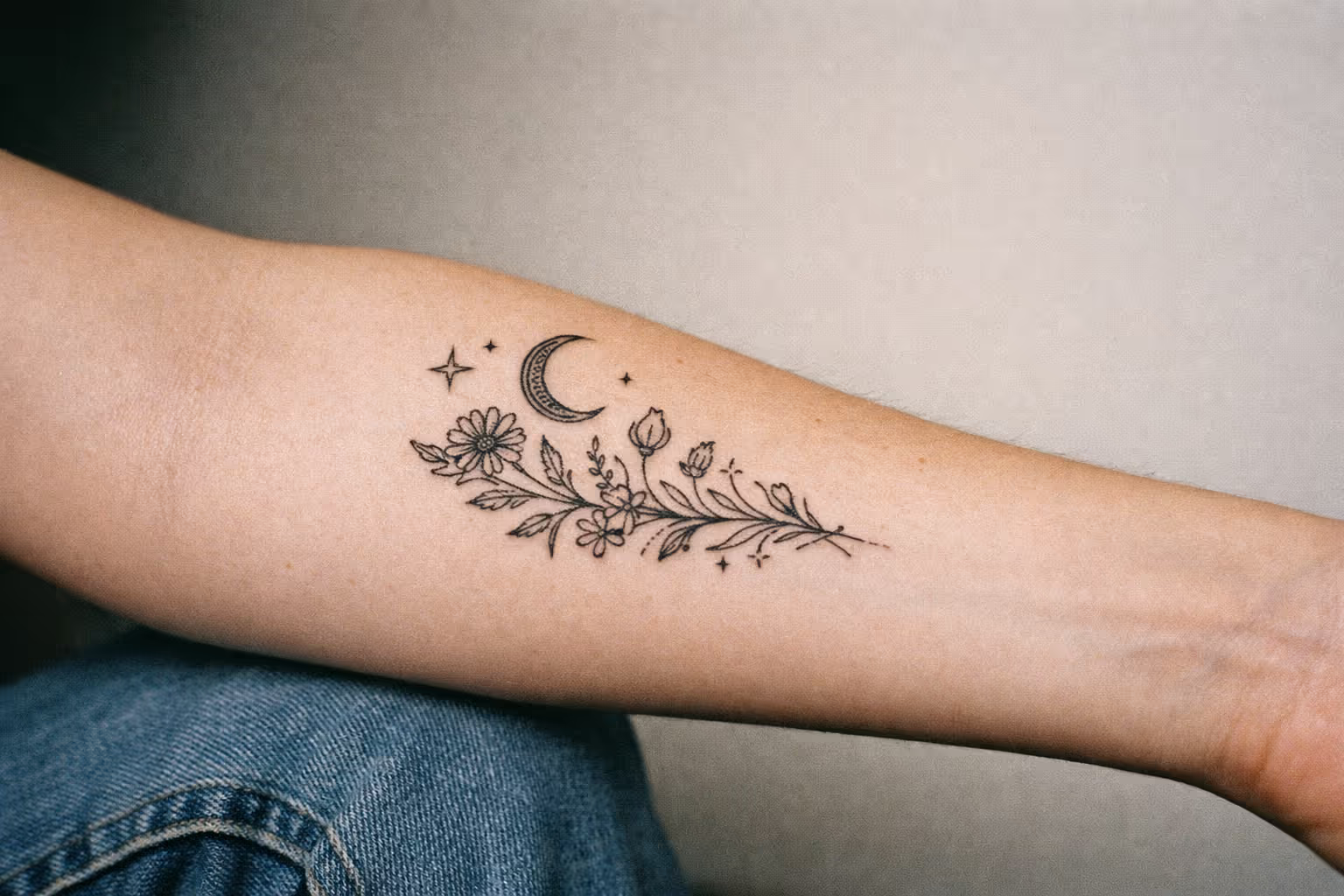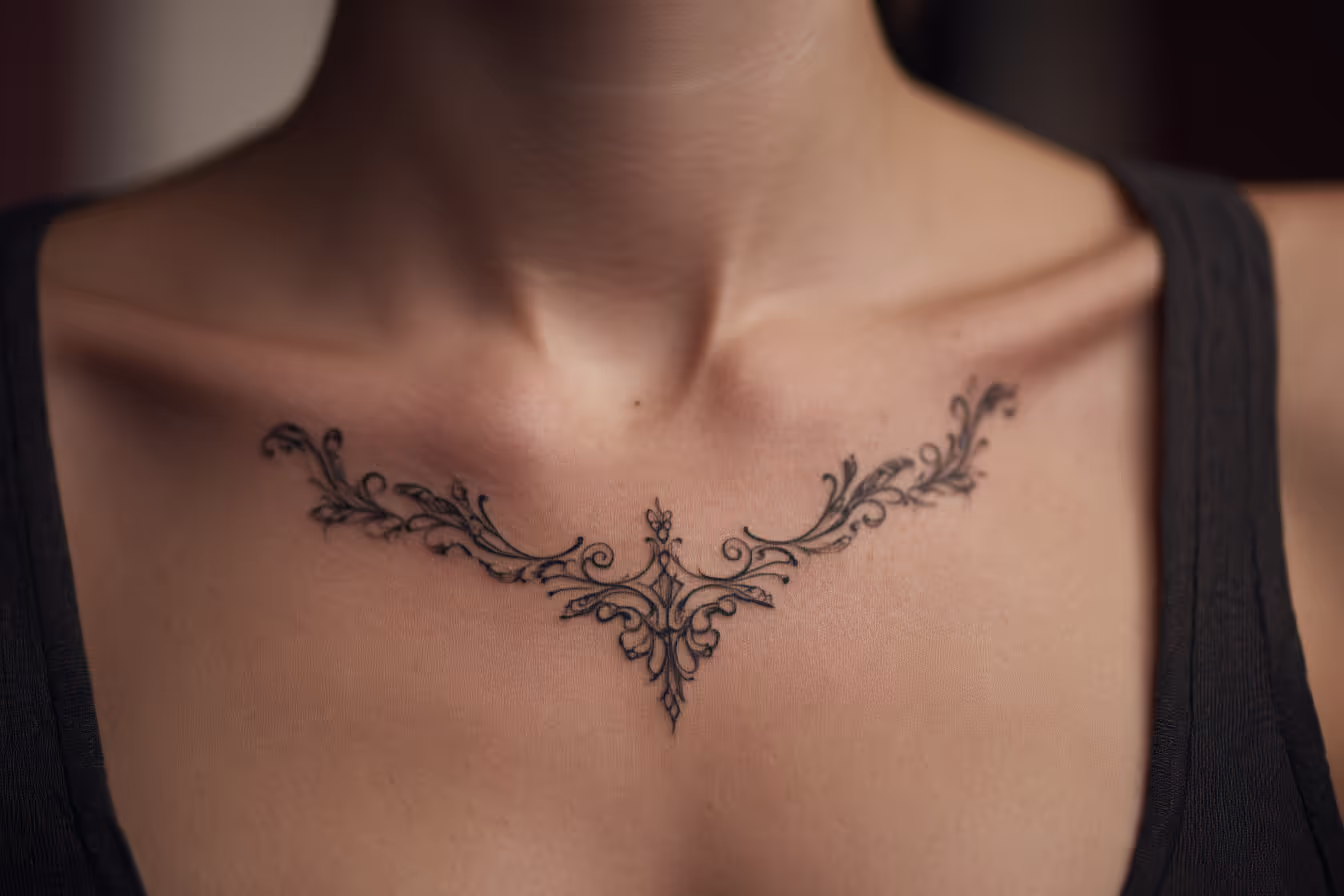
The hardest thing to accept about laser tattoo removal is the timeline. That one tattoo you regret won’t come off in a session or two - most professional pieces need 6 to 12 laser sessions spread across 6 to 24 months, spaced weeks apart to let the skin recover between them. It’s a slow, months-long project, not an appointment. Here’s what removal actually costs, how much it hurts by placement, and the FDA-backed risks worth knowing before you start.
How Laser Tattoo Removal Actually Works
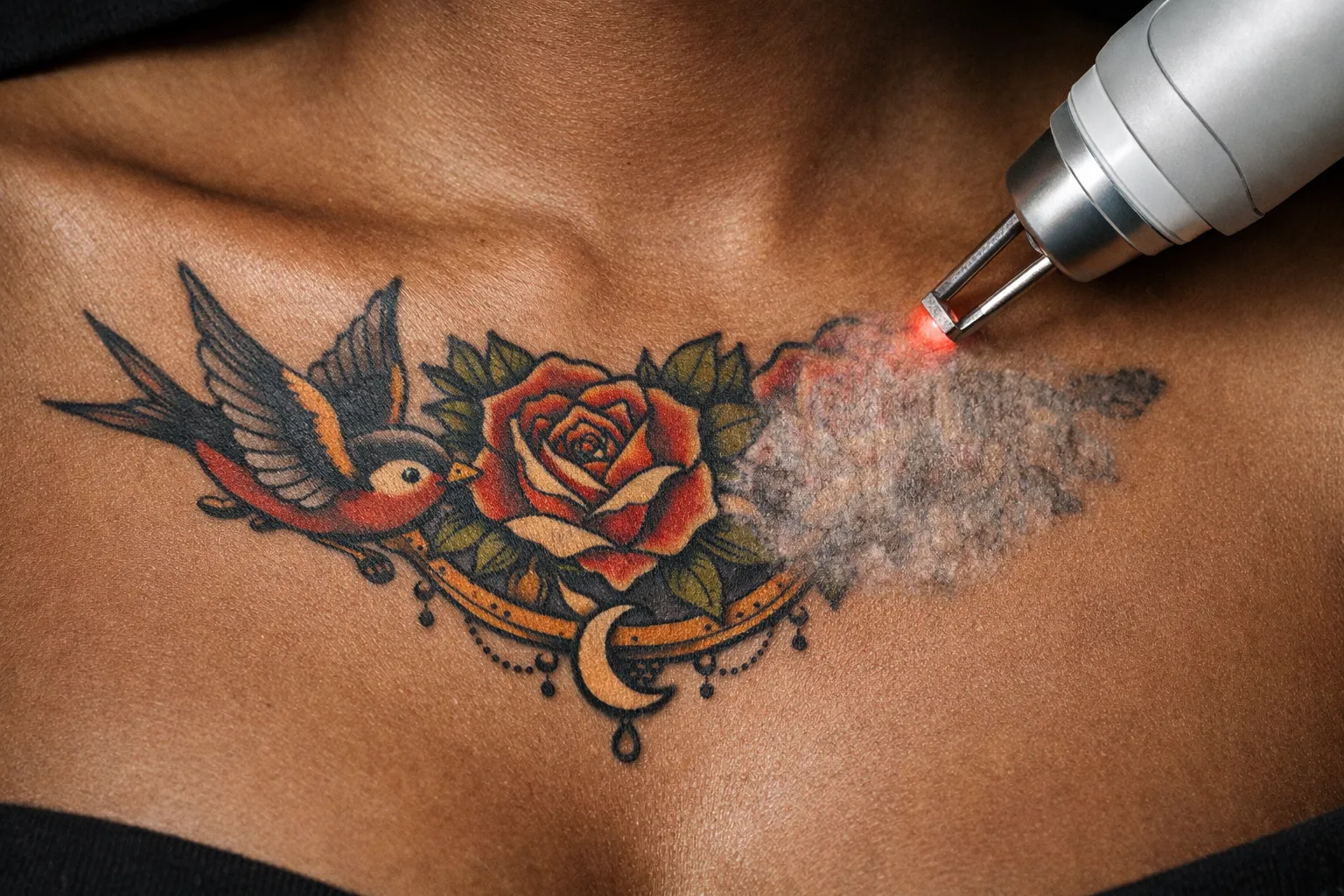
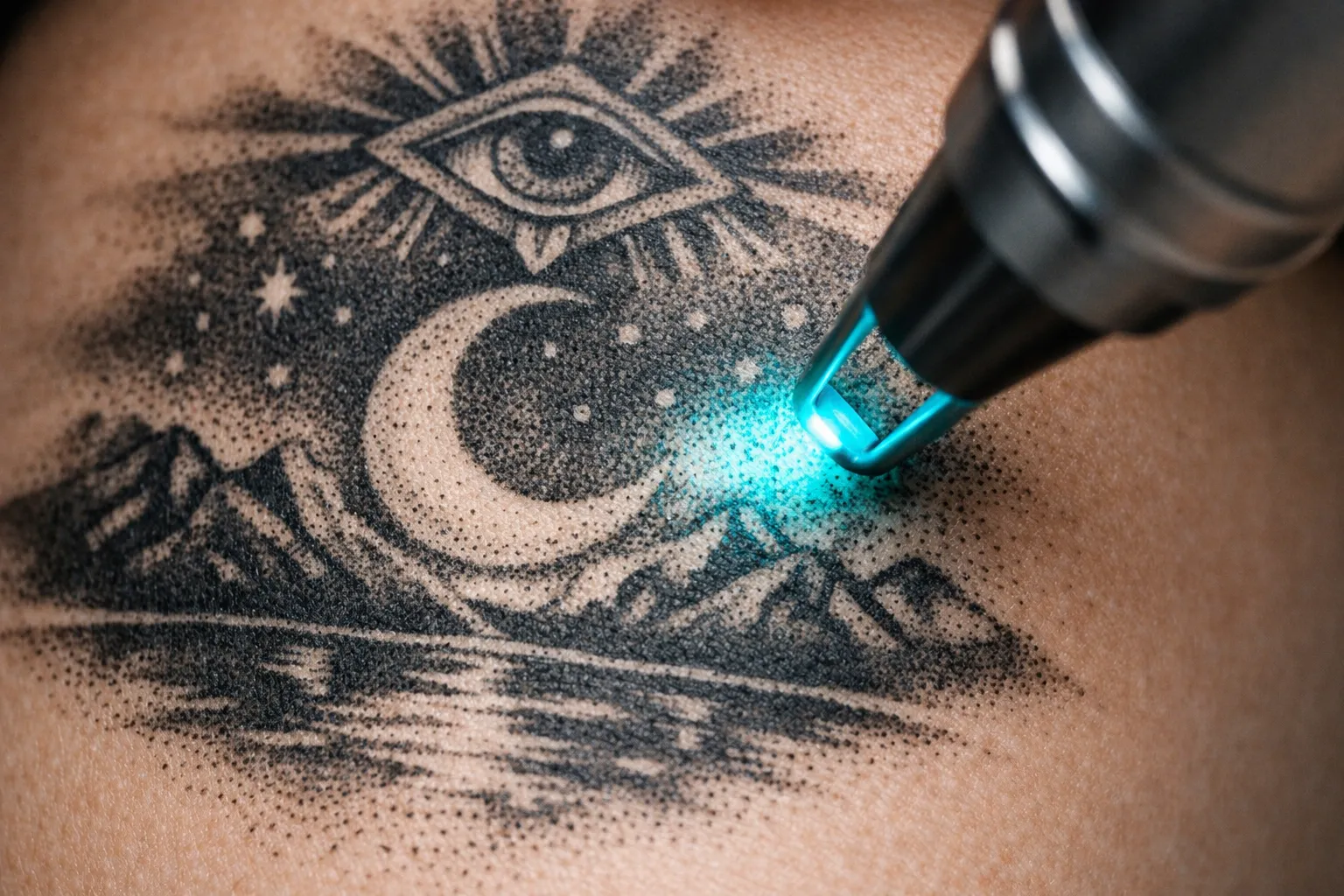
Tattoo ink lives in the dermis - the layer below your epidermis. Your body can’t break those particles down on its own because they’re too large for immune cells to carry away. A removal laser fires ultra-short pulses of light tuned to a wavelength the pigment absorbs. The pigment heats up and shatters in nanoseconds (or picoseconds), and the fragments are now small enough for your lymphatic system to clear over the following weeks.
This is selective photothermolysis - the laser targets the ink while sparing surrounding skin. Different inks absorb different wavelengths, which is why a multicolor tattoo needs more than one laser:
- 1064 nm Nd:YAG - black and dark blue
- 532 nm (frequency-doubled Nd:YAG) - red, orange, brown
- 755 nm Alexandrite - green, blue
- 694 nm Ruby - blue, green (rarer in modern clinics)
Two device generations dominate right now. Q-switched (nanosecond) lasers have been the standard for decades and still handle most black-ink work well. Picosecond lasers (PicoSure, PicoWay) fire pulses about 1,000 times shorter, fragmenting ink into smaller particles with less heat - clinical studies show better clearance scores and roughly 30-50% fewer sessions on stubborn colors compared to older Q-switched devices (2)(7).
The FDA classifies tattoo-removal lasers as medical devices, meaning they must be used by or under the supervision of a licensed health professional (4).
What Laser Tattoo Removal Cost Looks Like in 2025
Pricing is the question every consultation starts with, and most clinic websites dodge it entirely. Here are realistic numbers across U.S. markets:
- Per session, small tattoo (under 2 inches): $100-$300
- Per session, medium tattoo (palm-sized to 6 inches): $200-$500
- Per session, large piece or full sleeve: $500-$1,000+
- Picosecond premium: 10-30% higher than Q-switched Nd:YAG
- Full course on a modest professional tattoo: $1,000-$3,000
- Full sleeve or back piece: $2,500-$7,500+ over the full course (higher in premium urban markets)
The laser tattoo removal cost depends on five things: size, ink density, colors involved, the device used, and your geography. A black amateur tattoo on a forearm in a mid-size city will land near the bottom of those ranges. A dense multicolor Japanese-style sleeve in Manhattan or LA will land near the top.
Insurance rarely pays. Tattoo removal is considered cosmetic; the exceptions are narrow - gang-deidentification programs, certain reconstructive contexts. If cost is the limiting factor, three legitimate ways to reduce the tattoo removal cost total:
- Accept partial fade (50-80% lightening) and cover up with a new tattoo. That’s typically 3-6 sessions instead of 8-12.
- Stick to Q-switched Nd:YAG if your tattoo is predominantly black - you don’t need the picosecond premium.
- Look at residency clinics or teaching hospitals, where per-session pricing often runs 20-40% lower than private practices.
Avoid “all-in package” deals that charge for a fixed number of sessions upfront. Nobody - including the laser tech - can accurately predict your session count until they see how your skin responds to the first two or three visits.
How Many Sessions for Tattoo Removal You’ll Actually Need
Anyone promising “complete removal in 3 sessions” is selling something. The honest answer to how many sessions for tattoo removal depends on what’s in your skin:
- Amateur or stick-and-poke tattoo, black ink only: 3-8 sessions
- Professional black tattoo: 6-10 sessions
- Professional multicolor tattoo: 8-12+ sessions
- Cover-up over a previously removed tattoo, or layered work: 10-15+ sessions
- Cosmetic/permanent makeup: highly variable, test spots required
Sessions are spaced 6-8 weeks apart in most modern protocols. The waiting period isn’t arbitrary - your lymphatic system needs that time to clear shattered pigment. Shortening it to 4 weeks doesn’t speed things up; it just raises your risk of blistering and scarring without measurably improving clearance (6).
Some clinics use the Kirby-Desai scale to estimate session count before you start. It scores six variables: Fitzpatrick skin type, location on the body, color, amount of ink, scarring or tissue change, and ink layering. Ask whether your provider uses it - vague answers are a yellow flag.
A full course of laser tattoo removal usually runs 6 to 24 months of real calendar time once you factor in healing, scheduling, and life getting in the way.
Why Black Ink Removes Well - and Why “100% Gone” Is a Gamble
Black is the easiest color because it absorbs across nearly every wavelength laser clinics use, and most professional black inks are carbon-based. Many black tattoos do reach near-complete clearance, especially newer ones with consistent ink depth.
But whether a black tattoo can be 100% removed is a probability question, not a guarantee. Factors that work against complete clearance:
- Scarring from the original tattoo (ink trapped in scar tissue is harder to mobilize)
- Very dense layering or multiple touch-ups (more total pigment volume)
- Deep needle placement - older or amateur work sometimes deposits ink below the laser’s effective depth
- Slow lymphatic clearance, which I’ve seen consistently in smokers and patients with certain immune conditions
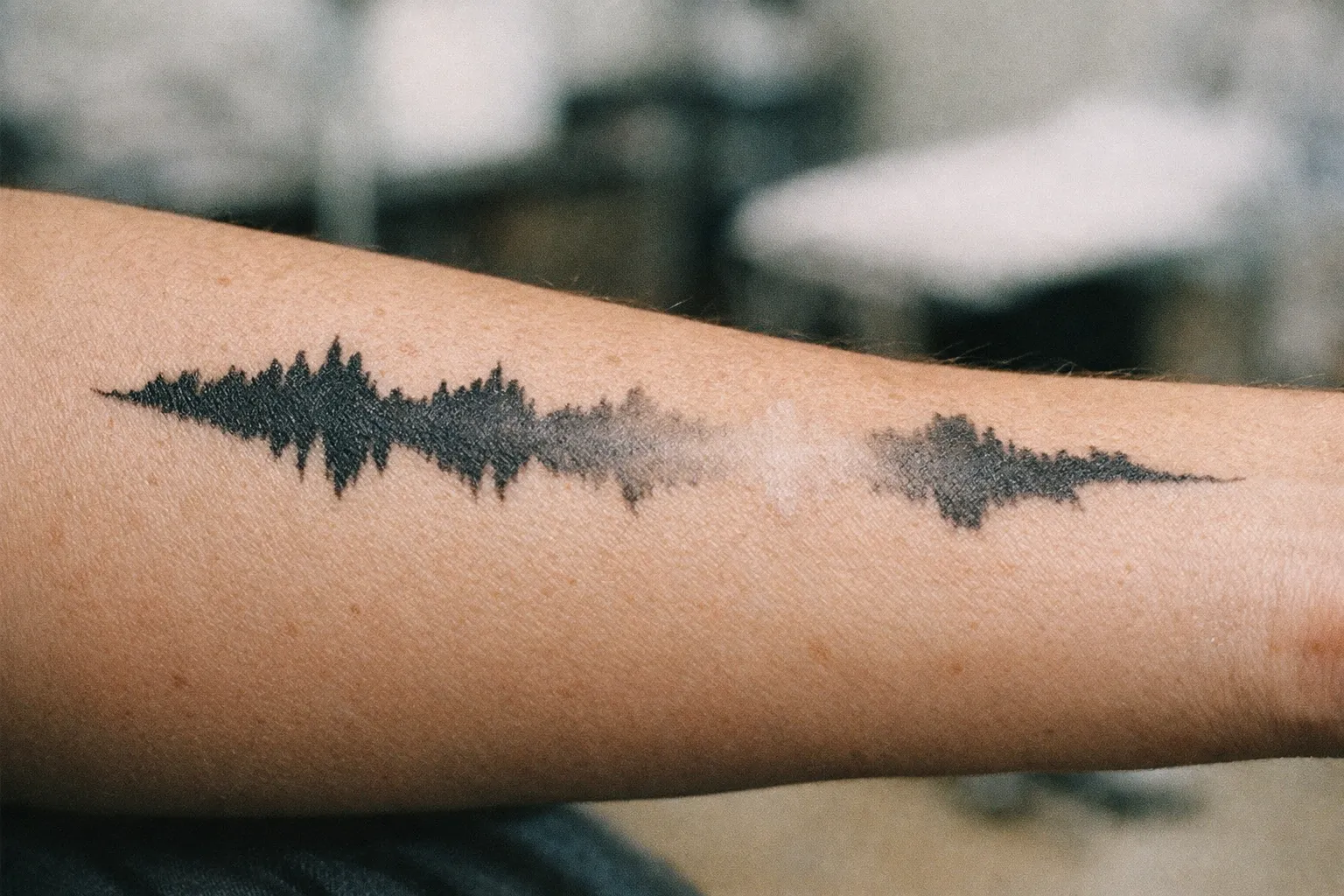
A faint “ghost” image - a subtle outline visible in certain lighting - is a realistic possibility even after 10+ sessions. The FDA states plainly that complete removal may not be possible for every tattoo (4).
Can Tattoos Be Completely Removed with Laser?
Sometimes yes, often partially. Single-color black tattoos in younger skin on well-circulated areas like the forearm or calf have the best odds of near-total clearance. Multicolor work, cosmetic ink, and tattoos on poorly-circulated areas - fingers, ankles, feet - carry a higher chance of residual pigment.
Yellow, green, and certain reds are the hardest colors to clear. White, flesh-tone, and some cosmetic inks can actually oxidize and darken under the laser, locking in pigment that wasn’t even visible before. That’s why test spots are mandatory for cosmetic work.
Does Tattoo Removal Hurt? An Honest Pain Breakdown
Yes, but it’s manageable. The FDA’s standard description is “a thin rubber band snapping the skin,” repeated rapidly for the duration of the session (4). In practical terms: a removal session usually hurts a bit more than getting the tattoo did, but it’s shorter - most actual laser time runs 5-30 minutes.
Does tattoo removal hurt the same everywhere? No. The pain map mirrors what you already know from getting tattooed. Ribs and sternum hurt more than a removal session on the forearm - that’s just how it goes, and no amount of topical numbing fully changes it.
- More painful: ribs, sternum, ankle, top of foot, fingers, behind the knee, inner bicep
- Moderate: forearm, outer thigh, calf, upper back
- Less painful: outer shoulder, outer thigh
Three pain-management tiers worth knowing:
- Cooling only - cold air (Zimmer cooler), contact cooling, or ice packs before and after. Cheapest, fastest, what most clinics default to.
- Topical lidocaine - 4-7% cream applied under occlusion 30-60 minutes before the session. Adds modest cost and waiting time.
- Injected local anesthetic - lidocaine with epinephrine, performed by a qualified clinician. Near-complete numbing, used for larger pieces or low pain tolerance.
If a clinic refuses to discuss numbing options or rushes you through the consultation, that’s a sign to look elsewhere.
Tattoo Removal Aftercare: The Real Timeline
Aftercare matters more here than for a new tattoo. Every session is a controlled injury, and you’re doing it 6-12 times in a row. Skin that doesn’t heal cleanly between sessions develops scarring, pigment shifts, and texture changes that don’t fade. I’ve seen clients undo months of good laser work by skipping the basics in week two.
Day 1-3: The Acute Phase
- The area will be red, swollen, and may show frosting - a temporary white discoloration from gas release as ink shatters, fades within 20-30 minutes
- Blisters and pinpoint bleeding are common and expected (5)
- Apply a fragrance-free moisturizer (petrolatum-based or simple healing ointment) two to three times daily
- Cover with a non-stick dressing if clothing rubs the area
- Do not pop blisters - they’re a sterile barrier; popping them invites infection and scarring
- Cool compresses (not ice directly on skin) help with swelling
Week 1: Scabbing and Itching
- Small scabs form and itch like a healing tattoo, only more so
- Keep moisturizing; keep your hands off it
- Shower normally but avoid soaking - no baths, pools, hot tubs, ocean
- Light exercise is fine; skip anything that pours sweat directly onto the treated area for the first 3-4 days
Week 2-4: Resolution and Fading
- Scabs fall off naturally - let them
- The tattoo will look the same or slightly darker right after scabs come off, then progressively fade over the next 4-8 weeks as your immune system clears pigment
- Sun protection becomes non-negotiable: SPF 30-50 on the treated area every day you’re outside until your next session. Tanned skin dramatically raises the risk of hypopigmentation and hyperpigmentation at the next visit (5)
- Resume normal skincare in the treated zone only once it looks fully healed
A solid tattoo removal aftercare routine is genuinely 80% of the difference between a clean fade and a textured scar. The other 20% is laser settings - and you control the aftercare part. If you want a deeper look at how skin heals after ink work, the week-by-week healing rules for new tattoos cover the same biological stages in useful detail.
Side Effects and Risks Worth Knowing
Modern laser tattoo removal is safer than dermabrasion, salabrasion, or chemical methods, but it isn’t risk-free. The FDA lists the realistic complications (4):
- Hyperpigmentation (darker patches) - reported in 5-20% of patients, more common in Fitzpatrick IV-VI skin types (5)
- Hypopigmentation (lighter patches) - same risk profile, can be permanent
- Scarring - under 5% with modern picosecond/Q-switched devices and good aftercare (6)
- Infection - rare if blisters are left alone and the area is kept clean
- Residual “ghost” image - incomplete clearance, especially in dense or old tattoos
- Paradoxical darkening - white, flesh-tone, and some cosmetic inks oxidizing to gray or black under laser exposure (4)
Disclose every medication and medical condition during your consultation. Isotretinoin (Accutane) within the last 6-12 months, active photosensitizing drugs, pregnancy, uncontrolled diabetes, autoimmune conditions, and a history of keloid scarring all change the calculus. Don’t assume your provider will ask - bring it up yourself.
Darker Skin and the Fitzpatrick Scale (IV-VI)
This deserves its own section because most consumer-facing content underplays it. Darker skin contains more melanin, which competes with tattoo ink for laser absorption. That competition is what causes pigment changes - and why the wrong wavelength or the wrong provider can cause more damage than the tattoo itself.
The workable approach:
- 1064 nm Nd:YAG is the preferred wavelength for Fitzpatrick IV-VI because melanin absorbs less at longer wavelengths
- Lower fluence (energy density) and longer intervals between sessions - 8 weeks minimum
- Mandatory test spot before the first full treatment
- A provider with documented experience treating darker skin, not just “we treat all skin types” on their website
A picosecond laser at conservative settings often performs better than older Q-switched devices on darker skin, because the shorter pulse duration generates less collateral heat in melanin.
Other Tattoo Removal Methods (and Why Laser Wins for Most People)
A quick survey of the alternatives, since you’ll encounter them:
- Surgical excision - cuts out the tattooed skin and closes with stitches. Works for very small tattoos under 2-3 cm. One procedure, but you trade a tattoo for a linear scar. Cost: $300-$1,000+.
- Dermabrasion - high-speed rotary device sands away skin layers. Largely obsolete because of variable results and scarring risk (4).
- Salabrasion - abrasive scrubbing with salt. Outdated, painful, and unpredictable. Skip it.
- Saline/chemical tattoo removal - sometimes used for permanent makeup where laser risks pigment darkening. Weaker evidence base than laser.
- Chemical peels - affect the epidermis; tattoo ink is in the dermis. Not effective.
- Microneedling - used as an adjunct to push topical agents that supposedly fade ink. No strong evidence as a standalone removal method.
- Tattoo removal creams - the FDA states clearly these are not approved or proven effective, and can cause chemical burns, rashes, and scars without reaching dermal pigment (4).
For tattoos larger than a quarter and any colored work, laser is the only modality with a solid evidence base. One scenario where people commonly explore removal is a tattoo blowout - blurred lines or shadow-like effects beyond borders that can sometimes be corrected with targeted laser passes rather than full removal.
Advanced Techniques That Speed Things Up
Worth asking about if your provider has them:
- Perfluorodecalin (PFD) patches - applied between laser passes, they clear the frosting that normally forces a one-pass-per-session rule. This allows 2-4 passes in a single visit, potentially reducing the total session count (7).
- R20 method - multiple passes spaced 20 minutes apart in the same session. Shown to improve single-visit clearance in some studies, but requires expert technique to avoid overheating tissue (6)(8).
- Combination protocols - pairing fractional ablative lasers with Q-switched or picosecond passes to improve clearance on stubborn pigment (6)(8).
These aren’t standard at every clinic, and they’re not appropriate for every patient - particularly darker skin types or sensitive locations.
Choosing a Provider
The clinic matters as much as the device. What to look for:
- Operator credentials - laser tattoo removal should be performed by or under direct supervision of a physician, NP, PA, or RN trained on the specific device. State requirements vary; ask.
- FDA-cleared equipment - Q-switched Nd:YAG at minimum; bonus points for picosecond and Alexandrite
- Cooling system - cold air, contact cooling, or cryogen spray
- Wavelength-specific eye protection for both you and the operator
- Realistic session estimate based on your specific tattoo, not a flat package price
- Before/after photos of patients with similar skin tones and tattoo types
- Written aftercare instructions and a real point of contact for complications
Cheap removal in a non-medical setting - a tattoo shop, a med spa with no physician oversight - is where most of the bad outcomes I’ve seen come from. The device is only part of the equation.
Frequently Asked Questions
- Can tattoos be completely removed with laser?
- Sometimes, but not always. Single-color black tattoos in well-circulated areas have the best odds of near-complete clearance after 8-12 sessions. Multicolor tattoos, cosmetic ink, and dense layered work often leave residual pigment or a faint ghost image. The FDA states that complete removal may not be possible for every tattoo (4).
- How much will laser tattoo removal cost?
- Plan for $100-$500 per session depending on tattoo size and the laser used, with picosecond devices running 10-30% higher than Q-switched Nd:YAG. A typical professional tattoo costs $1,000-$4,000 over the full course. Sleeves and back pieces routinely exceed $5,000-$10,000. Insurance rarely covers it.
- Can a black tattoo be 100% removed?
- Often very close, rarely guaranteed. Black ink responds best to laser removal because it absorbs nearly every wavelength used in tattoo removal. Most professional black tattoos reach 90%+ clearance after 8-12 sessions. A faint outline may remain depending on ink depth, scarring from the original tattoo, or slow lymphatic clearance.
- How long does a laser tattoo removal session take?
- Actual laser time is 5-30 minutes depending on tattoo size. Total clinic visit is usually 30-60 minutes once you factor in numbing, prep, and aftercare instructions.
- Can I get a new tattoo over a removed one?
- Yes, once the area has fully healed - typically 6-8 weeks after your final laser session. Partial fade for cover-up purposes (50-80% lightening) usually takes 3-6 sessions instead of a full removal course, which is the most cost-effective path if you already know you want new work in that spot.
- Are tattoo removal creams effective?
- No. The FDA has stated repeatedly that over-the-counter tattoo removal creams are not approved and not proven effective, and that they can cause chemical burns, rashes, and permanent skin changes without reaching the dermal pigment (4).
What Actually Matters When You’re Making This Decision
Laser tattoo removal works - but it works on your immune system’s schedule, not yours. Budget for 6-12 sessions spaced 6-8 weeks apart, $1,000-$3,000 total for a modest professional tattoo, and 6-24 months of real calendar time. Pick a provider with FDA-cleared equipment and documented experience with your skin type.
Follow the aftercare timeline: fragrance-free moisturizer through the scabbing phase, sun-protective clothing or SPF 30-50 daily between sessions, and leave the blisters alone. Accept upfront that complete removal is a probability, not a guarantee.
If you already have a replacement tattoo in mind, a partial fade followed by a cover-up is often the smarter play - fewer sessions, less money, and you end up with something you actually want on your skin.