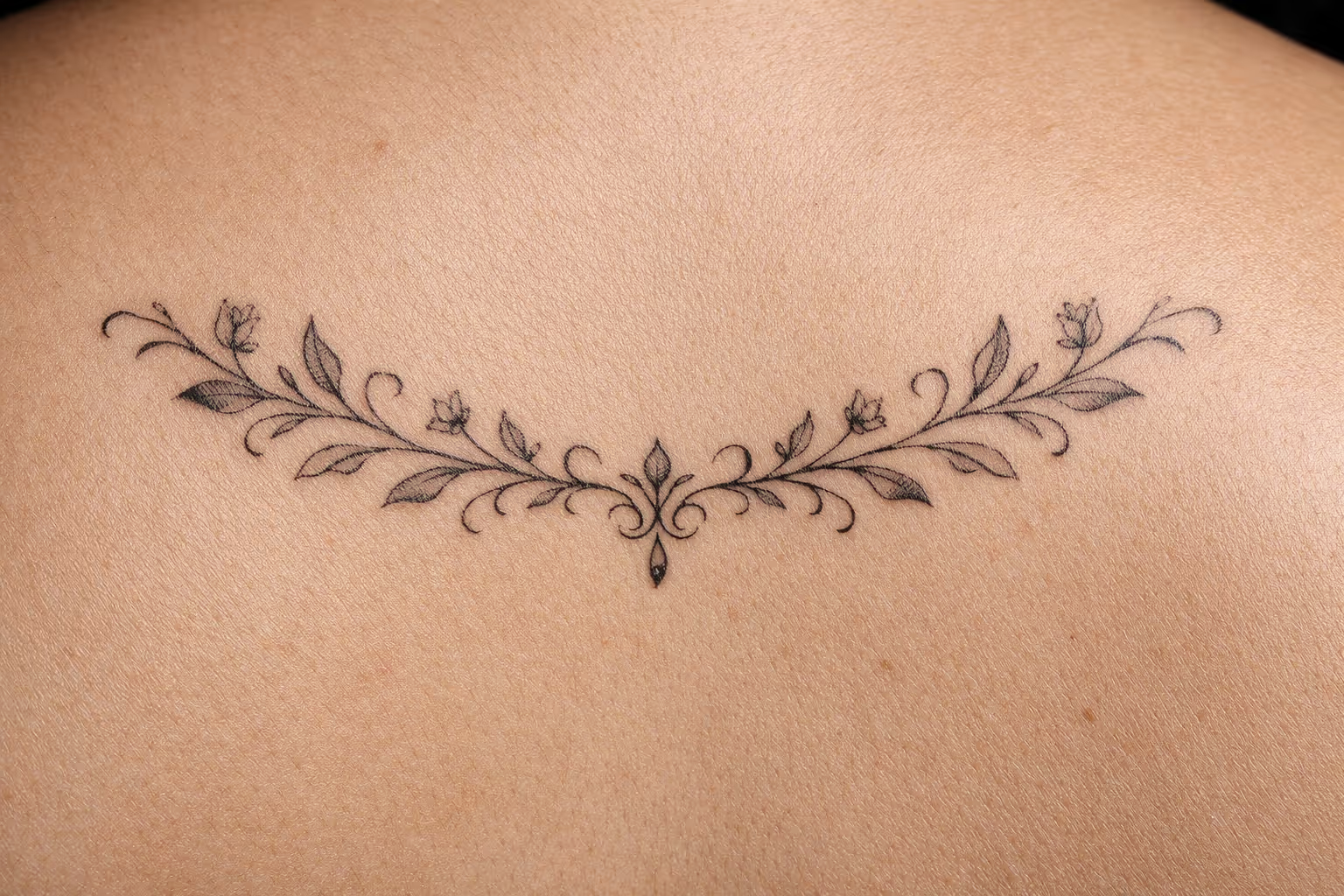
A womb tattoo carries a trap most people don’t see coming: the “succubus” version means nearly opposite things depending on whether you read it through tattoo culture or anime culture, and the mismatch can land very differently than you intend. On top of the symbolism, the pelvic placement it usually calls for sits in the ribcage tier of pain. Know both before you book. Here’s what a womb tattoo actually signals, and what the placement really involves.
What Is a Womb Tattoo?
A womb tattoo references the reproductive anatomy - uterus, ovaries, fallopian tubes - rendered as a symbol or, in some cases, an accurate anatomical drawing. It lives on your skin, not inside you. Most are placed over the pelvis just above the pubic bone for symbolic alignment with the actual anatomy, but plenty of people put them on the forearm, upper arm, sternum, or thigh for easier visibility and less intimate exposure.
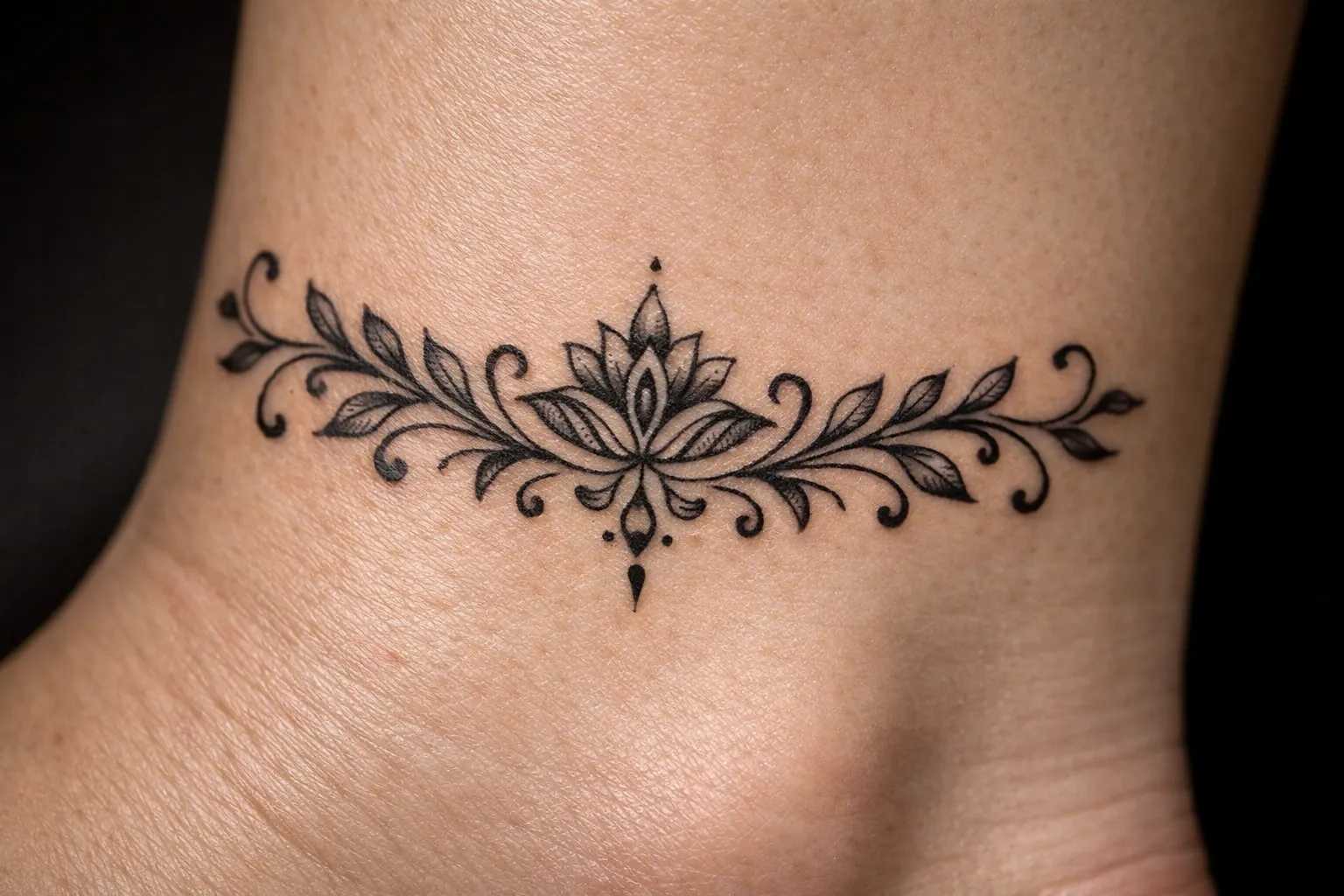
You’ll see it called a few different things. “Uterus tattoo” and “uterine tattoo” are the most common in English. “Pelvic womb tattoo” describes the placement. In Japanese anime and fetish fandoms, a stylized version is called Inmon (淫紋) - literally “lewd crest” - a magical mark with a very different origin (1)(5). More on that below, because the confusion is real and worth clearing up before you book.
Two technical hallmarks separate a solid womb tattoo from a flat one: clean, confident linework that holds the organ’s recognizable silhouette, and intentional negative space so the design doesn’t collapse into a muddy blob from across the room. The common pitfall is artists cramming too much detail into a small piece. I’ve seen 2-inch uteruses packed with veins, flowers, and lettering that healed into an unreadable smudge within a year. Keep small pieces simple - it’s not a compromise, it’s just how ink behaves at that scale.
The Meaning Behind a Womb Tattoo: More Than Motherhood
The womb tattoo meaning is not one fixed thing, and that’s actually the point. Survey data from tattoo community platforms consistently ranks motherhood, family, and childbirth as the single most popular meaning - a uterus paired with flowers, a birth date, or stylized babies. But the symbol stretches much further than that.
Here’s the range of meanings people actually carry:
- Motherhood and fertility - uterus with flowers, seeds, hearts, or a child’s birth date.
- Loss and miscarriage - a uterus with an empty cradle, fading flowers, or dates marking pregnancies.
- Reproductive rights - the uterus motif combined with a raised fist, protest slogans, or symbols of bodily autonomy.
- Post-hysterectomy reclamation - a tattoo honoring the removed organ, sometimes incorporating the surgical scar directly into the design.
- Solidarity with women and AFAB people - worn as a visible feminist statement.
- Sexual freedom and empowerment - celebrating one’s body and desire on one’s own terms.
Because the meaning shifts so much between wearers, copying a design you saw online without knowing what it stood for can land badly. A miscarriage-remembrance piece and a sexual-empowerment piece can look superficially similar but carry completely opposite weight. Decide what yours means before you sit down in the chair - that decision shapes everything else.
Understanding Succubus Meanings
The succubus womb tattoo is a separate branch, and it’s where most of the search confusion originates. In folklore a succubus is a demon that seduces sleepers - historically a figure of female sexual power and danger. A succubus womb tattoo borrows that energy: typically a stylized sigil or crest on the lower belly meant to signal sexual confidence, a “mark of the demon,” or an occult/kink identity (1)(3).
Common design elements include horns, bats, pentagrams, demonic sigils, and black or UV-reactive ink. Small businesses now sell succubus womb temporary tattoos that glow under blacklight, aimed at club, festival, and kink audiences - often bundled in multipacks under $20 (3). That crossover between fetish aesthetics and mainstream party culture is genuinely recent.
Here’s the part worth knowing before you commit. The succubus womb tattoo meanings in anime and hentai culture - where it’s called Inmon (淫紋) - are not about empowerment. In that context the mark is usually a curse imposed by an external force: a demon’s seal signifying enforced arousal, breeding themes, or control over the wearer, not a freely chosen symbol (1)(5). The meaning flips depending on whether you’re drawing from real-world tattoo culture (where it reads as agency and sexual ownership) or the fetish-art origin (where it reads as something done to someone).
So if you’re choosing a succubus womb tattoo, get specific with your artist about which meaning you’re after: sexual empowerment, demon mark, BDSM symbol, or purely aesthetic. The sigil style should match the intent - those are not interchangeable design directions.
Ideas for Your Design
A good womb tattoo design connects to your reason for getting it. Here’s how the main styles break down, with realistic size ranges so you can plan placement before the consultation.
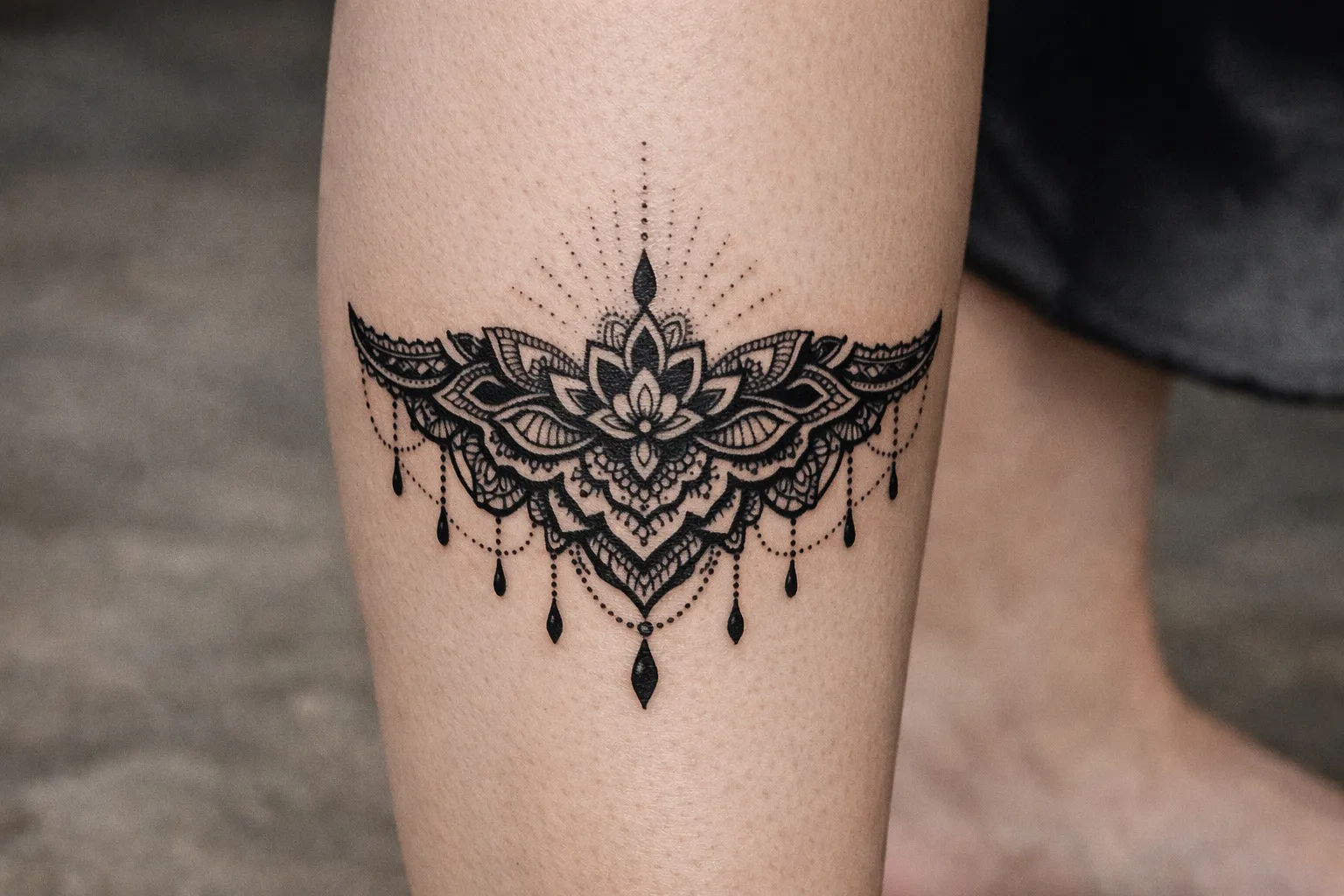
By style and complexity:
- Minimalist linework - a single-line uterus outline, 2-4 inches. Quickest to tattoo, least expensive, ages well because there’s little detail to blur. Strong choice for the forearm or inner wrist if you want it visible without committing to a large piece.
- Ornamental / mandala - the uterus surrounded by detailed patterning, dotwork, or geometric framing, usually 4-8 inches. More time and money; best on the lower abdomen, thigh, or back where there’s enough flat space for the detail to breathe.
- Realistic anatomical uterus - rendered with arteries and veins, a niche favorite among medical and science-adjacent clients. Needs space and a skilled hand; 5+ inches minimum.
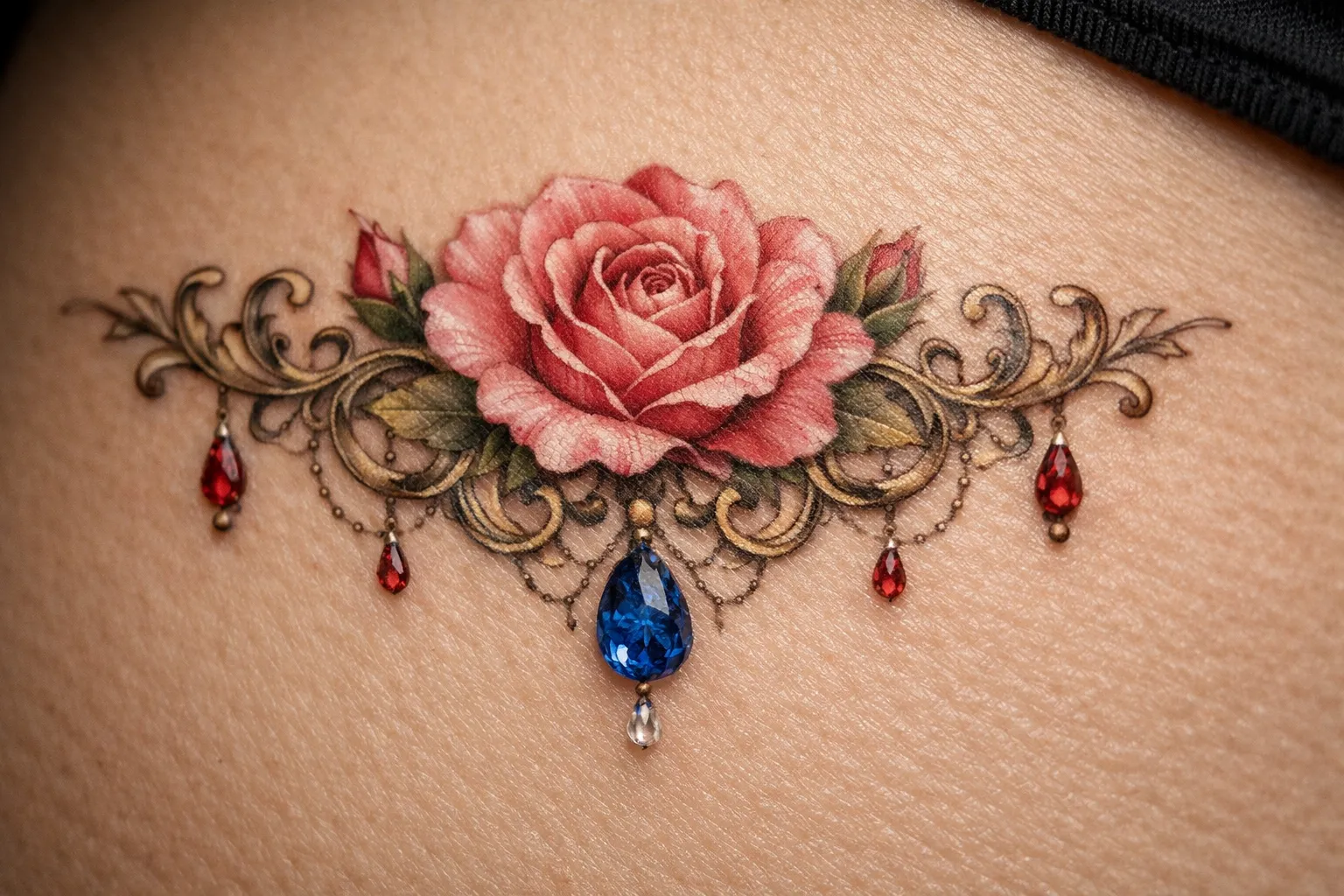
- Floral and celestial - uterus integrated with birth flowers, moon phases (a nod to menstrual cycles), or stars. The most popular decorative direction (4).
- Succubus / Inmon sigil - a circular crest or demonic seal, typically placed just above the pubic bone or below the navel (1).
A search of Shutterstock returns 325 womb tattoo designs, which gives you a concrete sense of how much visual range the motif covers (4). According to the International Association of Professional Tattooists, demand for anatomical and feminist-themed tattoos has grown steadily since 2017, making the uterus motif one of the more searched body-positive designs in that category. I’d use stock results as a starting point for your consultation brief, not as a finished template - stock designs aren’t built around your body’s proportions.
On color: pink and red shades mirror natural tissue tones and read as soft or celebratory. Black-and-grey blackwork reads as bold and graphic, and holds its edges better over decades. Vibrant blues, monochrome, or UV ink all work depending on the mood you’re after. No rule here, but I’d factor in how the color will look against your skin tone in five years, not just on the day it’s fresh.
Create Your Own Design
Most online galleries stop at “here are 20 ideas.” Designing a piece that actually fits your reasons for getting it takes more deliberate work than scrolling Instagram for an hour.
Start with anatomy reference. Bring clear images of the uterus and ovaries to your consultation. Even stylized designs read better when the underlying proportions are right - a uterus that’s anatomically off looks subtly wrong even to people who can’t name why. I’ve had clients bring medical illustrations, which honestly work better than Pinterest screenshots.
Layer in your personal symbols. Map your experiences onto the composition:
- Moon phases along the fallopian tubes for menstrual cycles.
- Flowers or vines for growth, fertility, or specific birth flowers tied to a child or a loss.
- Stars for guidance, or dates worked into the linework for births or pregnancies.
- Roots and stems that incorporate an existing C-section or laparoscopic scar - turning a surgical mark into part of the design rather than hiding it. This is one of the more meaningful moves for post-surgery clients, and it’s underused.
Test the placement before you commit. Draw the design on with marker, or use a temporary tattoo, and live with it in different positions for 2-3 days each. Pay attention to how it sits under your waistband, whether it’s where you want it during movement, and how you feel about its visibility. This catches regret before it’s permanent - and it’s especially worth doing for pelvic placements, which are more intimate than people anticipate.
Future-proof the layout. If you anticipate pregnancy, weight changes, or abdominal surgery, place the most detailed elements slightly above the zone where stretch marks concentrate. Pelvic skin stretches and distorts more than almost anywhere else, so detail in the wrong spot can warp significantly.
Bring all of this to your artist as a brief, not a finished drawing. A good tattooer will take your symbols and anatomy reference and compose something that flows with your body. That collaboration is where personal pieces actually come from.
Are Tattoos on the Womb Painful?
Yes - more than people expect. The lower abdomen and pelvic area are among the more painful spots to tattoo because of thin skin, high nerve density, and proximity to the pubic bone. On a relative scale, a pelvic womb tattoo hurts more than an upper arm or outer forearm piece, and it’s in the same uncomfortable tier as the ribcage and sternum. Bony areas closer to the pubic bone are the sharpest.
That doesn’t mean it’s unbearable. Most people describe the sensation as a hot, persistent scratching, and tolerance varies a lot. But go in informed:
- A small 2-3 inch uterus outline runs about 1-2 hours.
- A detailed ornamental piece 6-8 inches across can take 4-8 hours, often split across 1-2 sessions so you’re not grinding through a single marathon over a high-pain zone.
To manage it: skip alcohol and aspirin for 24 hours before your appointment, eat a real meal beforehand, and ask whether your artist permits a topical numbing cream. If they do, follow their instructions exactly - misused numbing agents change the skin texture in ways that make tattooing harder and can affect how ink sits.
Placement, Cost, and Timing
Where it goes affects everything - pain, privacy, and how the tattoo holds up over years.
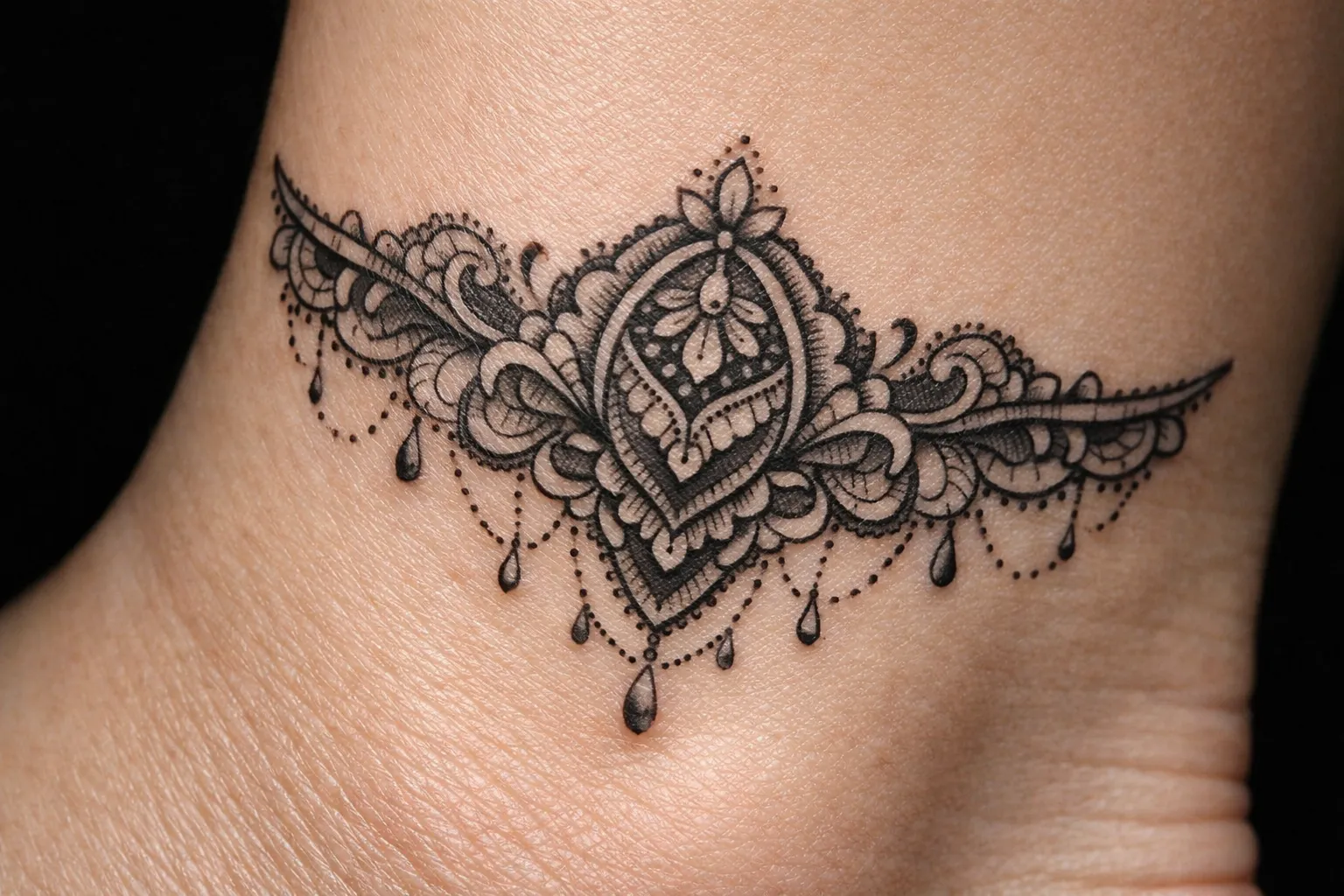
- Direct pelvic / womb area (above the pubic bone, centered): maximum symbolic alignment, most intimate, requires lowering pants for the session, and most exposure to body changes over time.
- Side of the lower abdomen: slightly off-center, useful for working around existing scars or for slightly more comfort during the session.
- Non-pelvic placements (forearm, upper arm, sternum, thigh): easier to show, less intimate, and on the forearm or thigh, far more stable as you age. If you want a womb tattoo that holds its linework cleanly for decades, the forearm at 2-4 inches is the practical choice.
Cost in the U.S. depends on size, detail, and your city:
- Small simple womb symbol (linework, 2-3 in): $80-$200.
- Medium ornamental uterus (4-6 in, color or blackwork): $250-$600.
- Large, highly detailed or mandala-style pelvic piece (6-10 in): $600-$1,500+, especially with artists charging $150-$250/hour in major cities.
Most shops have a minimum charge of $60-$120 even for tiny pieces, and plan for a 15-25% tip on top if you’re happy with the work.
Timing matters more here than for most tattoos. Studios require you to be 18+ and completely sober at the appointment, with no active rash, infection, or open wound on the lower belly. Many artists decline to tattoo during pregnancy over infection and ink-safety concerns - a position supported by dermatology guidance published by the American Academy of Dermatology, which flags both infection risk and the unknown systemic absorption of tattoo pigments during gestation - and advise waiting until after pregnancy and breastfeeding. After a C-section or hysterectomy, expect to wait 6-12 months for the scar to mature before tattooing over or around it - fresh scar tissue is prone to blowouts and distortion. And because pregnancy or significant weight change can stretch a pelvic piece, factor your future plans into both the timing and the placement before you book.
Aftercare for a Lower-Abdomen Tattoo
A fresh womb tattoo is an open wound, and the pelvic location adds one specific challenge: clothing friction. Waistbands, high-compression leggings, and synthetic underwear rubbing against fresh ink cause irritation, slowed healing, and ink loss. Plan your wardrobe before you go in. Loose, high-waisted, breathable clothing is what you need while it heals - not a minor inconvenience, an actual factor in how the piece settles.
Here’s the timeline:
Day 1-3: Expect redness, swelling, and soreness - all normal. Keep the first bandage on as long as your artist directed. Wash gently once or twice a day with unscented antibacterial soap, pat dry (never rub), and apply a thin layer of healing ointment. No baths, no swimming, no soaking. If pain or heat intensifies past day two, contact a healthcare professional.
Week 1: Swelling fades, scabbing begins. Switch to a fragrance-free moisturizer and keep applying thin layers - don’t let the skin go dry and flaky. Do not pick at scabs. Over the pelvis especially, they can pull ink as they lift.
Week 2-4: Peeling and flaking reveal the healed skin underneath, which looks brighter and more settled. Surface healing takes 2-3 weeks - faster than the ribcage or sternum, which sit over more movement; the deeper dermal layers stabilize over up to 3 months regardless of placement. Through all of it, keep the area out of direct sun and wear sun-protective clothing - UV exposure fades fresh ink fast, and the lower abdomen is easy to forget about when you’re outdoors.
Frequently Asked Questions
- How do I choose the right size for a womb tattoo?
- Consider placement and detail level: smaller designs (2-4 inches) work well on forearms or wrists and age better, while larger, detailed pieces (4-8 inches or more) need flat areas like the lower abdomen or thigh to hold detail.
- Can I get a womb tattoo if I plan to become pregnant?
- It's best to wait until after pregnancy and breastfeeding to avoid distortion from skin stretching. Also, factor in timing for healing and placement to minimize warping.
- What should I tell my artist about the succubus or Inmon style tattoo?
- Be explicit about whether you want the design to represent sexual empowerment or the fetish/anime origin meaning of a curse or mark. This affects the sigil style and symbolism your artist will use.
- How can I prevent my small womb tattoo from blurring over time?
- Keep the design simple with clean linework and avoid cramming too much detail into a small area. Also, choose placements with less skin stretching and follow proper aftercare.
- Is it safe to tattoo over a C-section or hysterectomy scar?
- Yes, but only after the scar has fully matured - usually 6-12 months. Fresh scars are prone to blowouts and distortion, so timing and placement are critical.
- What kind of clothing should I wear during healing?
- Loose, high-waisted, breathable clothing that doesn't rub against the tattoo is essential to avoid irritation and ink loss, especially around the pelvis.
- Can I use numbing cream for a womb tattoo?
- Ask your artist first. If allowed, follow their instructions carefully because improper use can alter skin texture and affect ink saturation.
Before You Book Your Womb Tattoo
A womb tattoo is one of the more loaded designs you can choose - it carries weight whether you’re marking motherhood, processing a loss, reclaiming your body after surgery, or celebrating your sexuality. Decide what yours means before you book, because that decision drives the design, the symbols, and where it should live on your body.
If you want it intimate and anatomically aligned, the pelvis is the spot - just plan for higher pain, a 6-12 month wait after any abdominal surgery, and the reality that pregnancy or significant weight change can shift it. If you want it visible, stable, and lower-pain, put a clean linework uterus on your forearm or thigh at 2-4 inches and it’ll hold up clearly for decades. Either way, keep small designs simple, test the placement with marker first, and find an artist whose linework you actually trust.
That last part matters more than any of the rest of it.